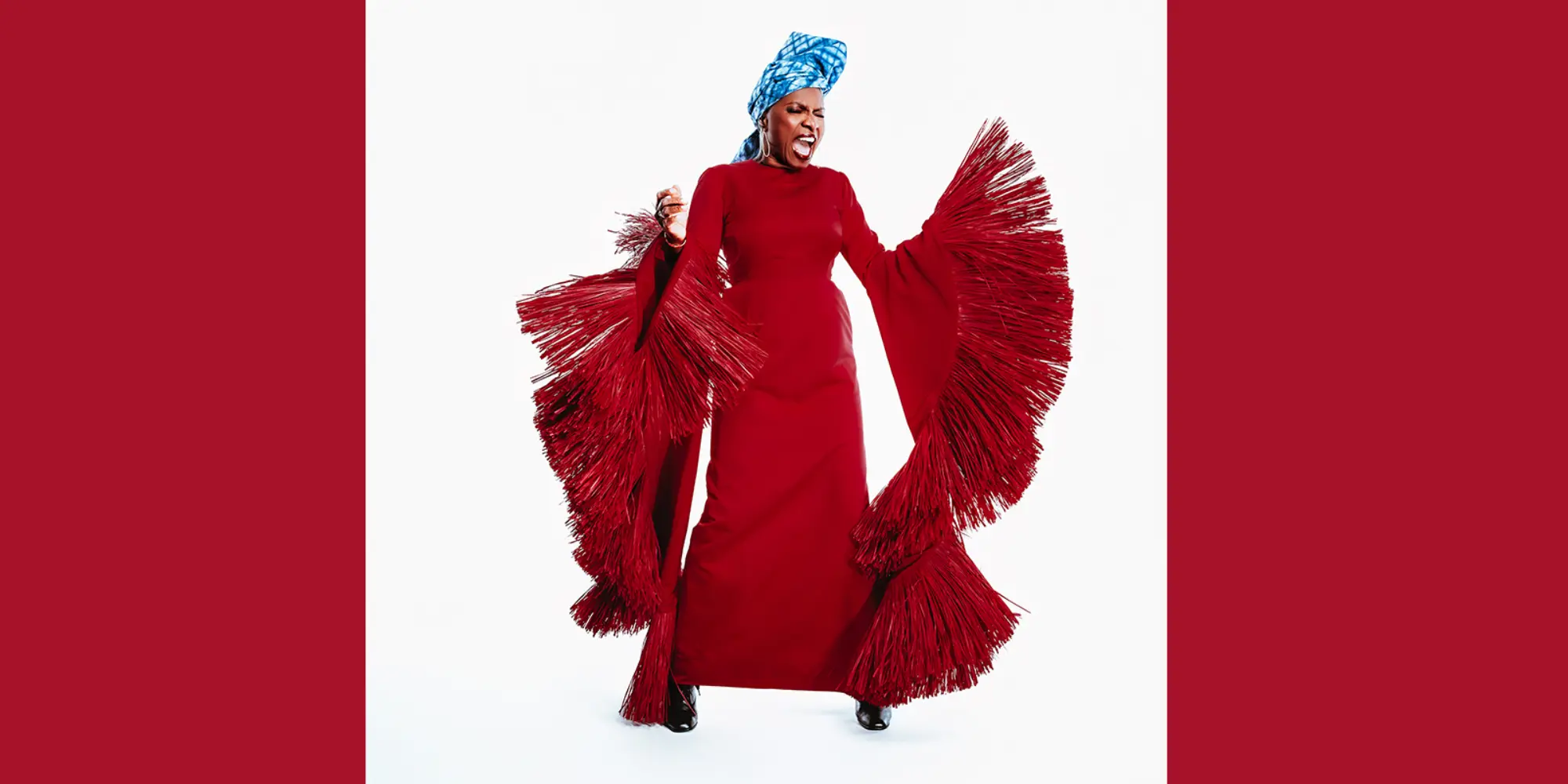
Angelique Kidjo: HOPE!
In 1991, I reviewed Angelique Kidjo’s first international release, Logozo, for the Boston Phoenix. I wrote, “Kidjo's vocal hits like a big cat moving in for the kill—fierce, decisive and riveting.” I described that album’s enduring lead track this way. “The language, the melody and the background chanting bear the signature of Africa, but far from folkolric, ‘Batonga’ delivers incandescent, in-your-face dance pop.” It was clear right away that Kidjo was forging her own path at the height of “world music” hype. Thirty-five years, 17 Grammy nominations (five wins), and 14 albums (including her pre-Logozo albums, her total is 19) later, Kidjo arrives with Hope!, an ambitious, star-studded set of 16 songs that affirm what that path has always been about: expansive, morally righteous, global advocacy, unlimited by genre or nationality, and still fierce, decisive and riveting.
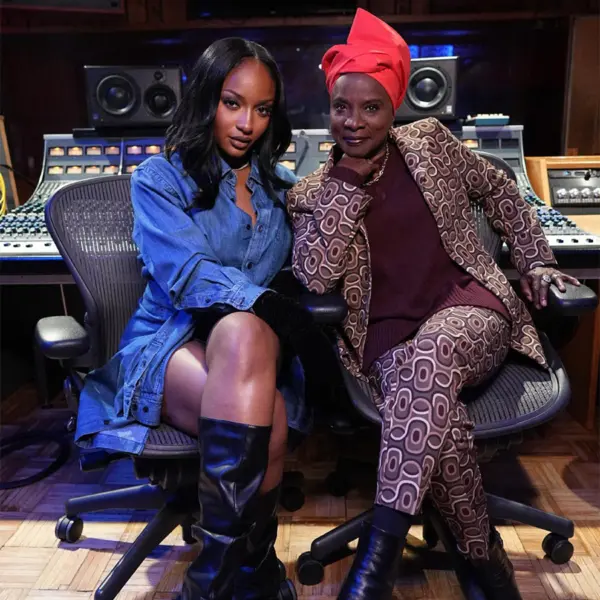
In 1991, Kidjo was seen as bold for collaborating with Miami Sound Machine producer Joe Galdo. On Hope, her collaborative range has vastly expanded to include Afrobeats stars (Davido, Ayra Starr), highlife revisionism (The Cavemen), Tanzanian Bongoflava (Diamond Platnuz), the new generation of French-Congolese crossover musicians (Dadju), as well as the reigning king of straight-up Congo pop (Fally Ipupa), not to mentions giants of American music (Pharrell Williams, Nile Rogers, Charlie Wilson, Quavo, PJ Morton), as well as British jazz trumpeter Sheila Maurice-Grey, Brazilian singer IZA and French singer-songwriter Florent Pagny for yet another take on her trademark cover, “Malaika,” which first appeared all the way back on Logozo. Oh yes, and let's not forget the Soweto Gospel Choir.
No African musician of Kidjo’s generation has worked so hard, or so successfully, to stay relevant by forging friendships and collaborations with stars young enough to be her kids, to the point where it’s almost dizzying to listen to this album straight through.
That said, there are through lines. The clave-like timeline of Afrobeats (and so many other dance genres) is ubiquitous. As is Kidjo’s defiant optimism, crystalized in the ballad “You Can” with its urging to reach for “the impossible,” and “Sunlight to My Soul,” lifted to the clouds with help from the Soweto Gospel Choir. There’s nothing Pollyanna about Kidjo’s upbeat vibe. She is cleareyed about the foul state of world affairs. Her positivity is bottled defiance, ready to explode. You hear it on the driving Afrobeat (á la Fela) of “I’m on Fire,” featuring The Cavemen, concluding with the line “Too hot to handle.”
These days, Kidjo mostly sings in English, although African language verses and refrains (Ewe, Yoruba, others) are often present. Musically, I am particularly moved by the darkly driving “Kakua” featuring Diamond Platnumz, also the zouk/Congo grooviness of “Nadi Balance,” with Ipupa, Maurice-Grey and the Cavemen. Two covers bring in orchestral strings, a classy touch, the aforementioned reprise of “Malaika” with Pagny, and wonderful cover of Master KG’s 2019 megahit “Jerusarema.” That song’s yearning melody is its secret weapon, and Kidjo leans into it as only she can.
For a catchy pop hook, it’s hard to beat “Aye Kan (Are You Coming Back) with Ayra Starr. Kidjo joins forces with Pharrell on three tracks. Here the beats are heavy, notably on the edgy, tuneful opener “Bando” and “Nothing Stopping Us,” a song whose message needs no explication. I could go on. There’s a lot to unpack on this album.
Over the years, Kidjo has explored African musical crossroads in Cuba, Haiti and Brazil, nodded to rock icons like Hendrix and Talking Heads, and larger than life female role models like Miriam Makeba and Celia Cruz, also delved into the historical mythology of the Queen of Sheba with Ibrahim Maalouf, and reimagined her music with symphony orchestras. Have I left something out? No doubt. I’ve had the privilege to speak with her about many of these projects, and look forward to exploring this one with her. But what is clear on Hope! is that after all that stylistic and thematic trail-blazing, Kidjo is now entirely free to be herself, traveling the world as a global citizen, received as royalty and able to stay in touch and relevant in a rapidly changing media landscape.
Related Audio Programs
Women's History Month: Afropop's Women Warriors