Brian Cullman's Musical Odyssey
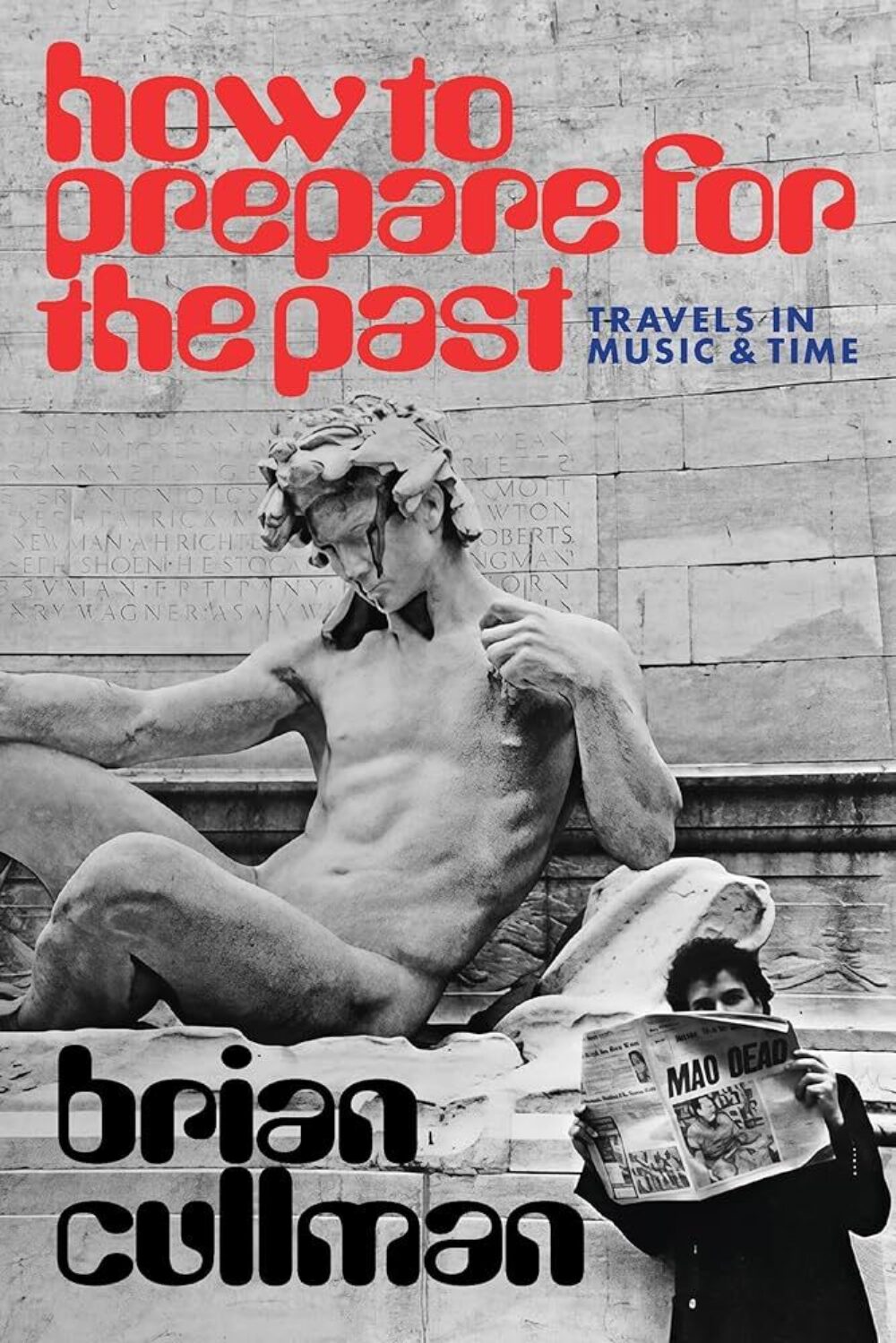
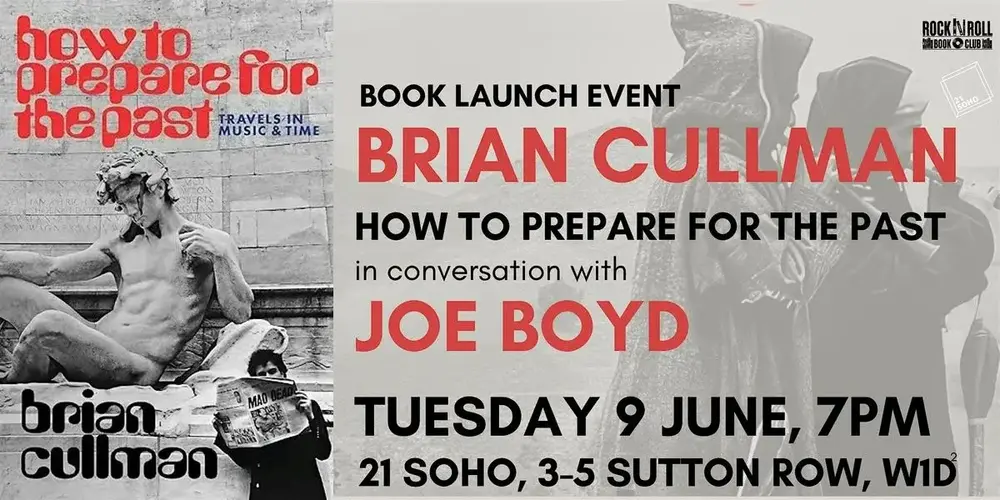
Brian Cullman is a musician, writer and producer living in New York City. In 1970, even as he was launching a career as a singer-songwriter, he got a gig covering the London music scene for Crawdaddy Magazine. So began a career in music writing that would take him deep into London as the careers of Nick Drake and Sandy Denny were nascent, but then into worlds of music from New York to Mongolia, India, Iran, Algeria, Morocco… A new collection of Cullman’s writing is just out on Ze Books, How to Prepare for the Past, Travels in Music and Time. It’s a wide ranging, sharply observed set of essays, mostly short, some longer. The writing has great immediacy, placing the reader in Cullman’s shoes as a kind of curious naïve, riding more on enthusiasm than knowledge, and discovering so much along the way.
You can hear Cullman’s playlist of songs related to the book here.
Banning Eyre: Congratulations on the book. It’s a fun read, and it brought back a lot of memories for me. I think the first time I met you was at SOBs around 1990.
Brian Cullman: Yes. I was very much around SOBs starting around ‘85. I shifted from Kenny's Castaways and CBGBs to SOBs as being my go-to place for music.
I lived in Boston in those days and Jonathan Rudnick, who was booking SOB’s then, used to lure me down for African shows. I'm sure it was at some event like that, but I remember we were talking about Fela and you were saying, “Oh, but you’ve got to hear his drummer, Tony Allen.” That was the first time I heard of Tony.
Fela was great, but his shows would go on for like five hours, and he would do these interminable solos, you know. They were just awful.
That’s interesting. I didn't have a high opinion of Fela based on live shows in those days either. My esteem for him has grown over the years, but my initial impression was kind of like that. A big brass section, not quite in tune. Then a couple of years on, we met when you were doing the Ghazal project.
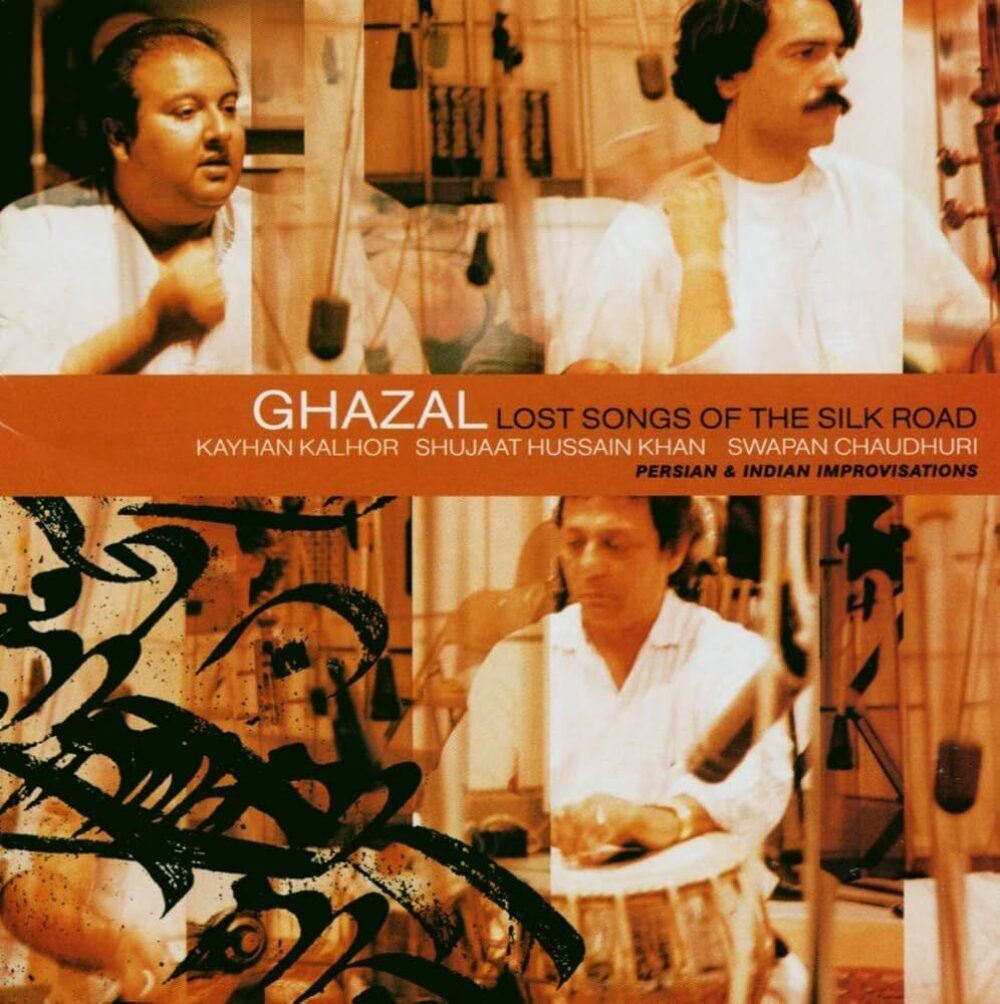
Yes. With Kayhan Kalhor and Shujaat Khan.
Right. I interviewed them for NPR in your apartment. That was an interesting project.
It was a really interesting project. I'm really proud of Ghazal, although it sort of got out of my control.
What became of it?
Well, I heard Kayhan at a concert with lots of different performers at Symphony Space and I flipped over him. And at the time I was doing some consulting to Shanachie [Records] and I thought: this guy is amazing. And then I thought: how can I present Kayhan Kalhor to Shanachie in a way that they'll understand? And I suddenly had this flash on The Chieftains. This was sort of the greatest improvising musicians in Ireland getting together under a band name. And I thought, what if Kayhan teamed up with a bunch of wonderful Asian and Middle Eastern players and we'd have a name? The original name I wanted was Shiraz, and no one else liked that. I was outvoted.
I think that name has been used also.
Probably. The problem with the name Ghazal was, I would start talking to people about the band and they'd go, oh, yes, I know that form. And I’d be like, no, no, no, it's a band. But you know, Kayhan and Shujaat were already very friendly and they decided they'd work together. And I brought in this wonderful tabla player, Swapan Chaudhuri. My idea at the time was that each record we would add some new artist. I wanted to bring in Djivan Gasparyan, the wonderful duduk player, Munir Bashir on oud from Iraq…
The problem was I was caught up in family business. My mother was really ill and I was attending to her more than I was attending to the music. And Ghazal had management that started to get very, let's say, transactional. They started looking at the nickels and dimes of things and they decided they didn't need Swapan Chaudhuri. They could bring in a tabla student to play. Everything they did was something that shouldn't have been done. But the band agreed to it and so I was less and less present. But we made two really lovely records together.
Absolutely. Beautiful stuff.
And then there was a third that I wasn't involved with that was also good, but it was starting to become the same record over and over, and there was no interest from the management side of getting other artists involved. It would have been time consuming but, you know, I was really excited about Talip Özkan from Turkey and Munir Bashir and Djivan Gasparyan. It would have been so lovely, but Kayhan has done just fine without me.
He certainly has. I'm just going through these points of connection with your globe-trotting story. I loved your recollections about your New York neighbor Big Joe Turner, sometimes backed by Room Full of Blues, a band that used to play at my high school. I'm about five years younger than you. So when you were 19 going to London to write for Crawdaddy, I was living in Canada listening to top-40 radio and getting into singer songwriters like Bruce Cockburn, Joni Mitchell and Neil Young. I didn't really follow those UK artists that you were privileged to be with, Nick Drake and Sandy Denny and the like. But I think a lot about the year 1970 because it was such a pivotal year in popular culture worldwide. Some of the pieces here really bring that time to life in an interesting way. We’re going to get to Khaled and Jajouka, but first, I didn't realize that you had a career as a musician yourself. It kind of weaves in and out of the stories you tell here, but I’d like to hear more.
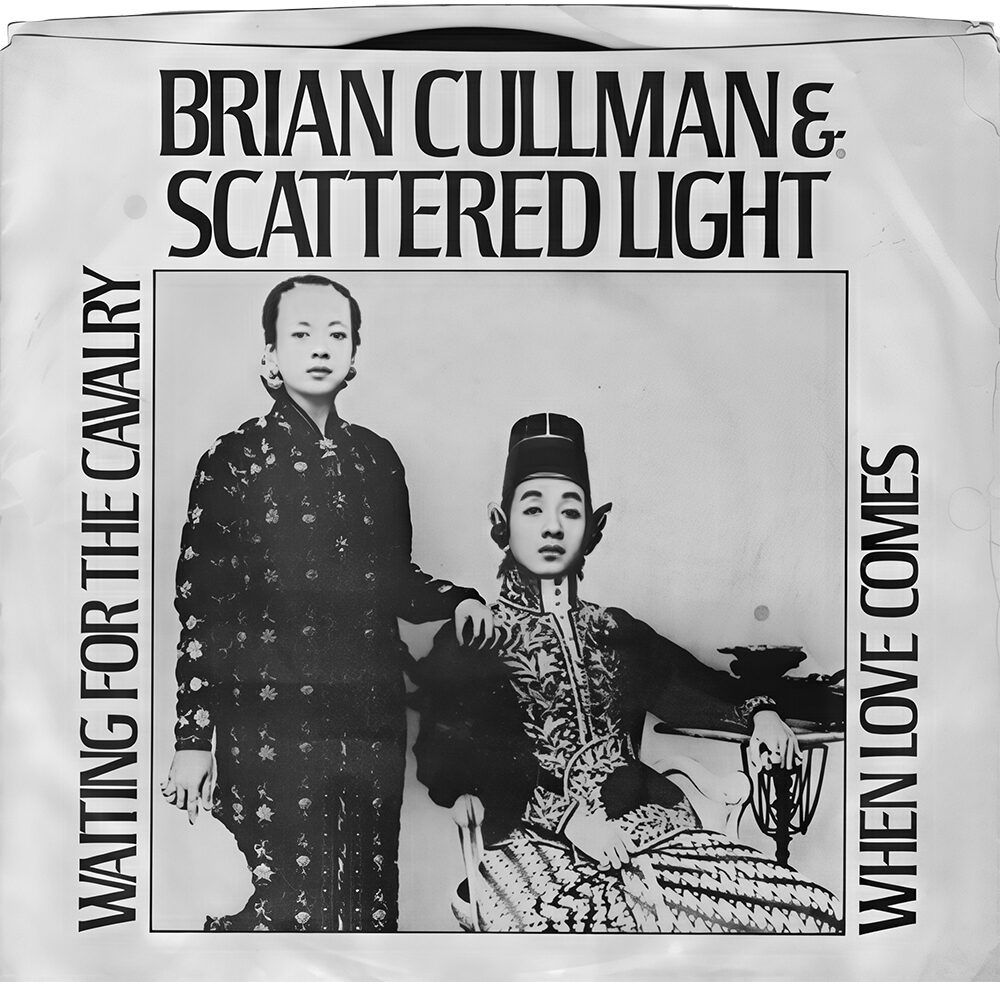
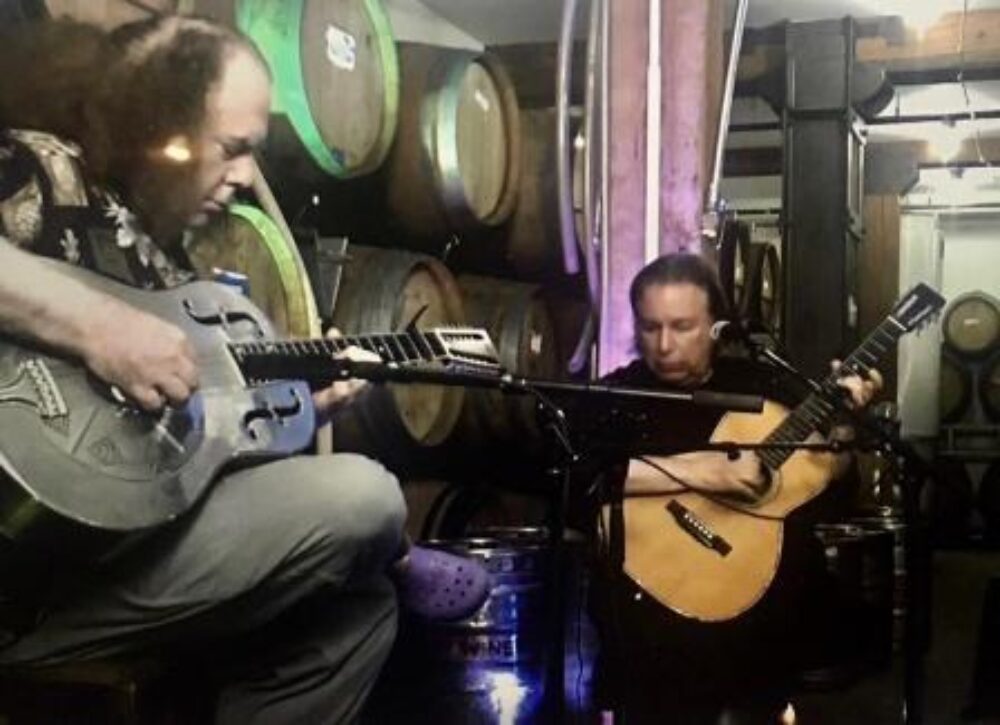
You know, it's been a series of missed opportunities or stumbles, although it's still in progress. I'm a full fledged member of a band in Lisbon called Rua das Pretas. We were named by Caetano Veloso, who lived on that street, Rua das Pretas. I'm still writing songs and playing guitar and singing when people let me. You know, I came to New York with the idea that I would make records and be playing in the clubs. I had been at school in Rhode Island and then I had traveled a little bit. And when I came back to New York as a grownup, I started finding musicians and finding clubs. I became part of a little Bleeker Street scene. People were people were very, very welcoming. There was a little sort of “who's he ?” for a few weeks. But there's a wonderful singer who hasn't gotten the attention he deserves a guy named Nick Holmes. We wrote some songs together. He was sort of prince of the village at that point. When Tim Harden decamped and moved to Woodstock and really stepped away from the scene here, all of his musicians—and he had great, great musicians behind him—all of those players gravitated to Nick.
I walked into the Cafe Agogo to hear Jerry Jeff Walker, and Nick was the opening act. It was mind blowing, first of all, because I was a music snob and I had heard pretty much everyone that was out there. I had an opinion. It may not have been the right opinion, but your opinions are loud and clear. But I had never heard someone who was that good that I'd never heard of. I had never seen his name anywhere. And he's singing these amazing songs. And he's got Steve Gadd playing drums, Tony Levin playing bass, Mike Mainieri on vibes, Warren Bernhardt on piano. And, you know, it was staggering.
I introduced myself and that went nowhere. But then I started looking through the Village Voice and anytime I saw that he was performing, I'd go there. And after showing up to three or four gigs, we started actually talking and got to be good friends. He opened a lot of doors for me because he was so respected and so loved that if I went into a club to audition and said, “Oh, you know, Nick Holmes is doing a couple of my songs,” they wouldn't even bother to audition me. They just say, “You want to play on Thursday?”
So, I actually had the beginnings of a career in that I was offered a deal with either Polygram or Polydor. They kept going back and forth. I was writing songs with the wonderful songwriter David Forman. He sounded like a cross between Al Green and Cat Stevens, just a wonderful voice. I was offered a deal, but I sort of assumed if one place wants you, someone else will. So I thought I'd take my chances elsewhere and those chances never quite materialized, or at least not in the ways that I expected. And I needed to make some money, so here's where African music and world music pop up.
I was offered a gig with Musician Magazine. I had some friends who were writing for them and they had talked me up, and the publisher, more or less on their say so, offered to give me a regular column. I was naive enough at that time that I really thought that there was a separation between church and state. I thought: I can't be writing about musicians that I'm pitching my songs to. And I can't really write about musicians whose careers have taken off in the ways that I want mine to. I need to go into a different terrain. And so I basically said, well, I'd love to write but I can't write about Jackson Brown and Bonnie Raitt and Linda Ronstadt. That feels wrong to me. So they were like, well, what do you want to do? And I said, “What about if I write about music that's not generally known in the States?” It wasn't called world music then, it was international music.
What year are we talking?
About ‘78.
Okay. Very early in terms of world music awareness.
Right. So basically, they gave me free rein to do that. I didn't know that much, but what I discovered very, very early was that if I wanted to write about a pop musician, I had to go through 17 publicists and managers and lawyers. And if I was lucky, they'd give me 10 minutes. But, if I wanted to write about a musician from Indonesia, or from Mali, they had all the time in the world for me.
Yes, we experienced this too when we started our work. African stars would open their homes to us. Not so true in the age of Burna Boy and Tems.
You know, my ignorance wasn't as important to them as my enthusiasm. The fact that I was interested and that I would listen meant the world. And so, I mean, I got a first-class first-hand education from wonderful people. And, you know, it opened doors that I didn't know were there.
Who are some of the artists you wrote about during that period.
I think I started by writing about people who weren't generally getting attention. So it wasn't necessarily about musicians from Africa or Indonesia, but I think early on I wrote about the Les Amazones of Guinée, a lot about John Fahey, about Ornette Coleman, eventually about Jajouka and Mongolia. One of the first big pieces I did was about Mongolian music. And Jaco Pastorius read the piece and started calling me up and asking if I could come down to Florida and teach him how to be Mongolian.
Did you go?
No! I basically said, “Listen, everything I know is in that piece, and a lot of it I invented.” It turned out my inventions were pretty accurate, but I said, “I can guide you through some records…” But he was like, “No, man, you got to come down here.” And that's when I felt like, okay, I was actually onto something.
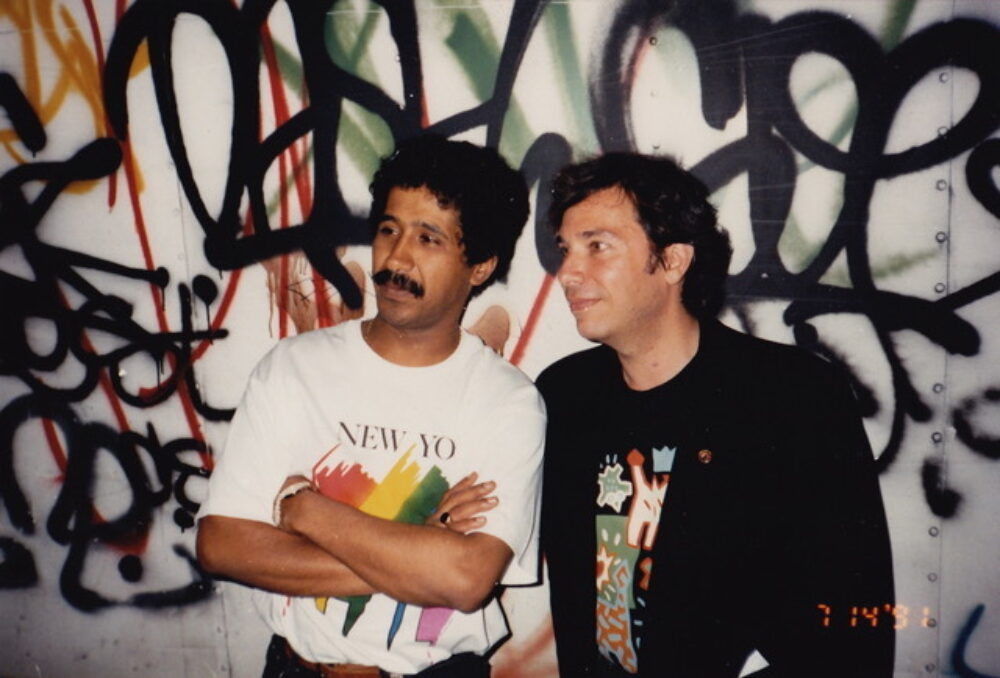
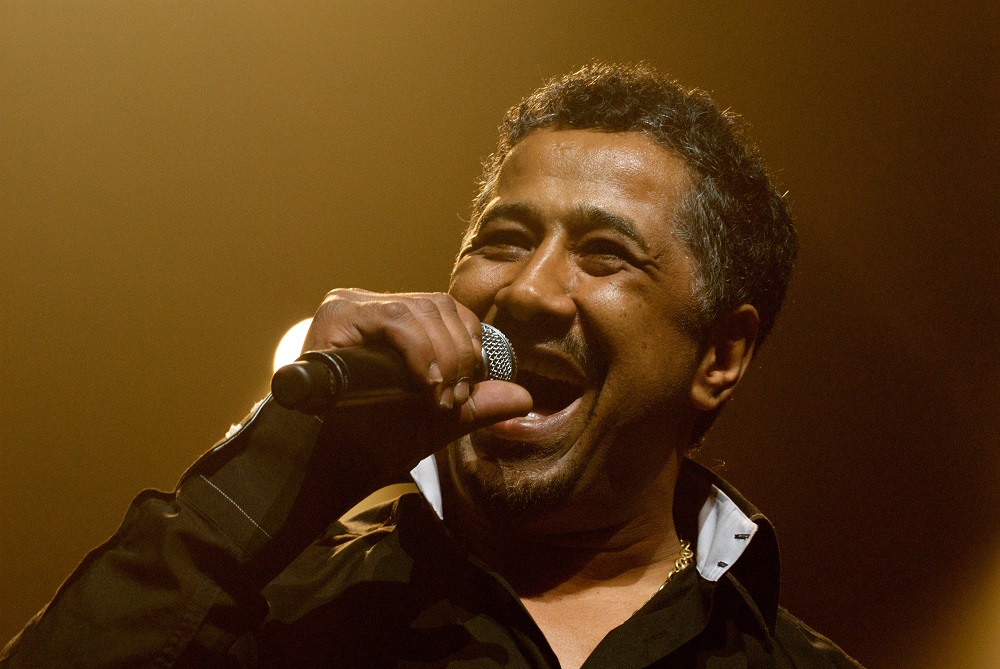
Let me ask you about your Khaled piece. That was for Rolling Stone, right?
You know, the Khaled piece has a very long and strange history. I originally went to the New York Times Magazine and told them about Khaled, and I played them some of his music, and they went, “Great. Yes, we want to do a piece.” It was terrific. And then they called me up and said, now the problem is you write about him in terms of his political affiliations, so should this be edited by the music department or the political department?
Oh, dear.
And I sort of said, “Well, you know, you can't really separate the two.” And they went, “Yes, we can.” And so they showed me the door. I went to Rolling Stone and they didn't have that problem. They were really lovely to work with, but then, at the last minute, they decided not to publish it. They decided not to publish it because they contacted Mango or Island to ask about any cross promotions or, I mean, nothing really nefarious, but they just wanted to cross promote.
This was the ‘90s. Don Was produced one of those albums.
Right. So they called up Mango to ask if they wanted to take out an ad or do any promotion and no one at the label had heard of Khaled. And that created a little bit of a roadblock. But you know, I mean, I adore Khaled.
Me too.
And I spent a lot of time traveling with him.
How did that come about? And where?
It was in France and Spain and Italy, you know, I mean, at that point he was doing some WOMAD gigs, some of them with the Gypsy Kings opening.
Yes. We recorded him in Central Park with the Gypsy Kings and Mory Kante. It was the French cultural people who presented that—French culture from Algeria, Spain and Guinea!
And the French cultural people bent over backwards to help me. Khaled was completely oblivious to any of that. He just was happy to sing and play. He had a great band. And when it became clear that there was a story involved and that I might be on the road with him, he decided he needed to vet me a little bit and make sure that it would be okay. Because I'd been around him in Paris and I'd been around him with his manager and with his band. That was all easy, but suddenly I was going to be touring for six weeks and he wasn't sure if that was going to work.
So you had to win his confidence to go along on the tour.
You know, I didn't know he was doing this. He decided we should go for a drive. And we were in Marseille and he said, “Oh, there's this great little town. It's mostly Iraqi, but I know a cafe bar. Lovely people, you'll like them. Let's go there.” And I said, “Sure, okay.” This was around ‘93. There was some unpleasantness between the States and Iraq.
Nothing serious. Just the aftermath of the first Gulf War.
So we go to this place on the edge of town. And the edge of town is really the edge of nowhere. It's a dingy door and Khaled pushes me inside this bar and yells out, “Meet my friend, the American!” And then he runs out, and everyone in the bar… You remember Popeye? you remember Bluto? Bluto was a Popeye's nemesis who had a black beard and this huge stomach and these like eyes, and everyone in the bar looked like Bluto. They all surrounded me and this one guy with the biggest beard and the biggest stomach pushed me up against the bar with his stomach and just stared at me and went, “How you like George Bush?” I was really lucky because I didn't know what to say. I just said, “How do you like Saddam?” And we just looked at each other and within five minutes we're buying drinks for each other and we're fine.
Khaled came in an hour later and saw what was going on. That was the test. Okay, they didn't kill you. You'll be okay. But of all the people that I've traveled with and been around, he was the most charming and never stopped being himself.
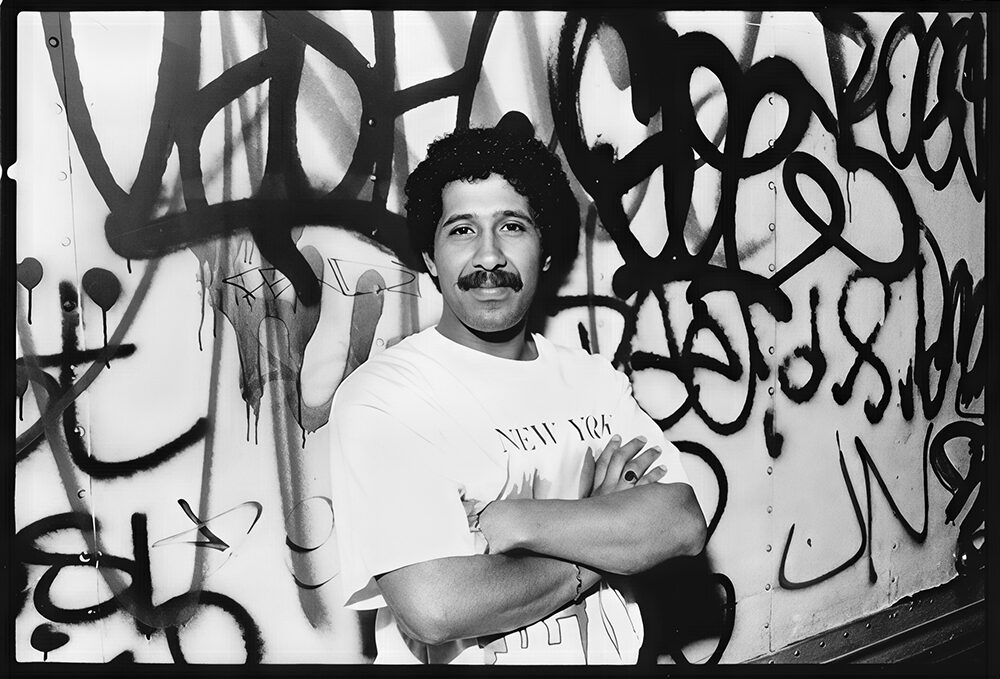
We saw him just a year after that for a few gigs in Paris and Nanterre. But subsequently I've had chances to do long interviews with him, and yeah, he's a delightful human being. Somewhat difficult to manage, which is why he hasn’t played in the U.S. for quite a while. But you say Rolling Stone didn’t publish your piece. Because they couldn’t get advertising? Very strange.
They spent a fortune on it. They didn't publish it.
So is this the first time that piece has actually been in public?
No. A sort of shorter version of it came out in Antaeus, which was a wonderful literary magazine started by Paul Bowles and Daniel Halpern. They were lovely and they got the piece attention and it won an ASCAP James Taylor Award. So, you know, it helped me but it didn't help Khaled. You know, I really wanted it to be somewhere that could affect his career.
Let’s talk about the Jajouka piece. Was that also for Rolling Stone?
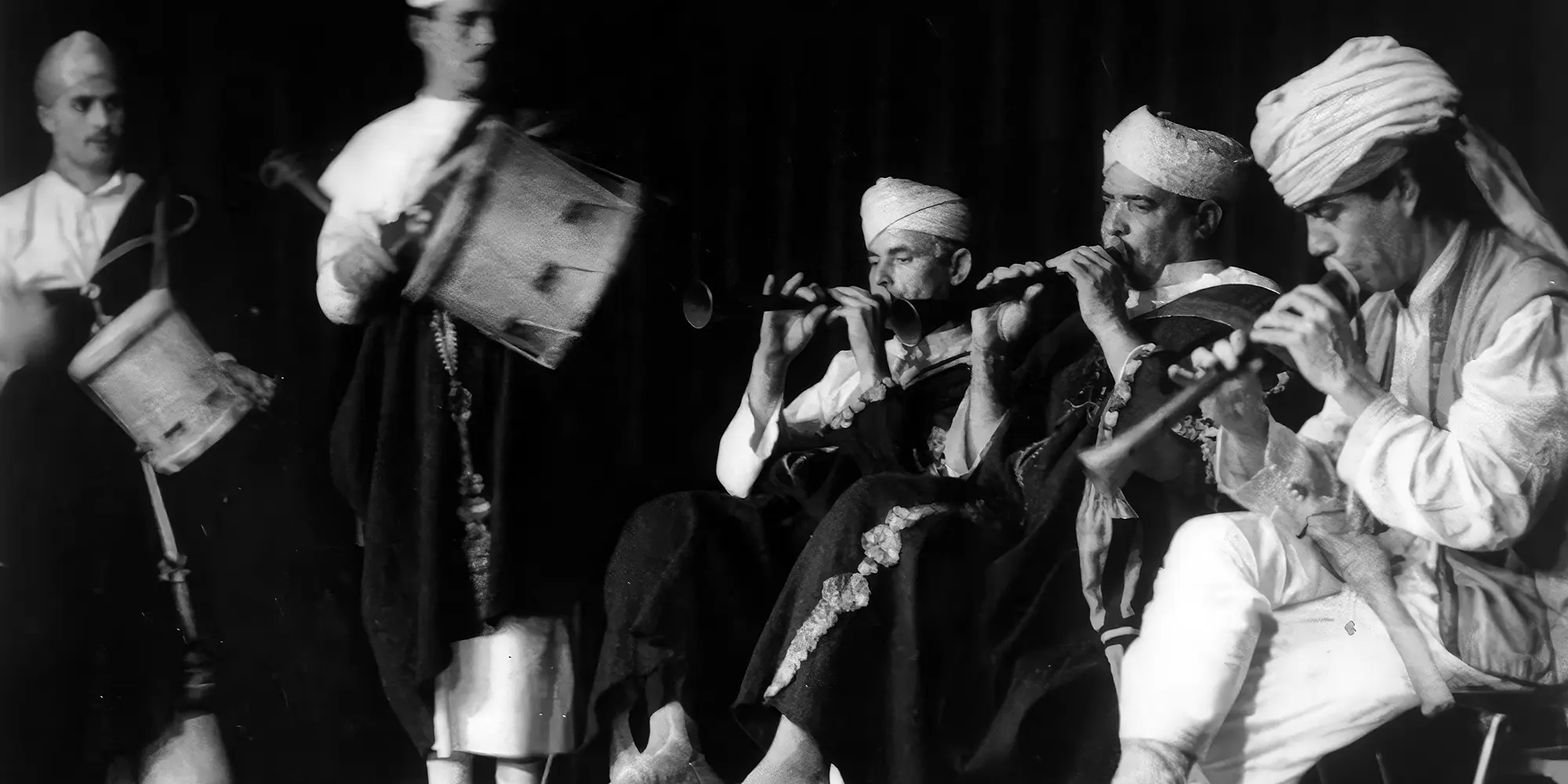
No, that was Conde Nast. And it was published in Details. There was a moment in time when Conde Nast had so much money, and they were so open to and receptive to any ideas. I've always been sort of a princess, you know. I've never learned how to properly write a pitch. My idea of a pitch was to call up an editor and say, “Morocco.” And he’d say, “Yeah. Why don't you go there?”
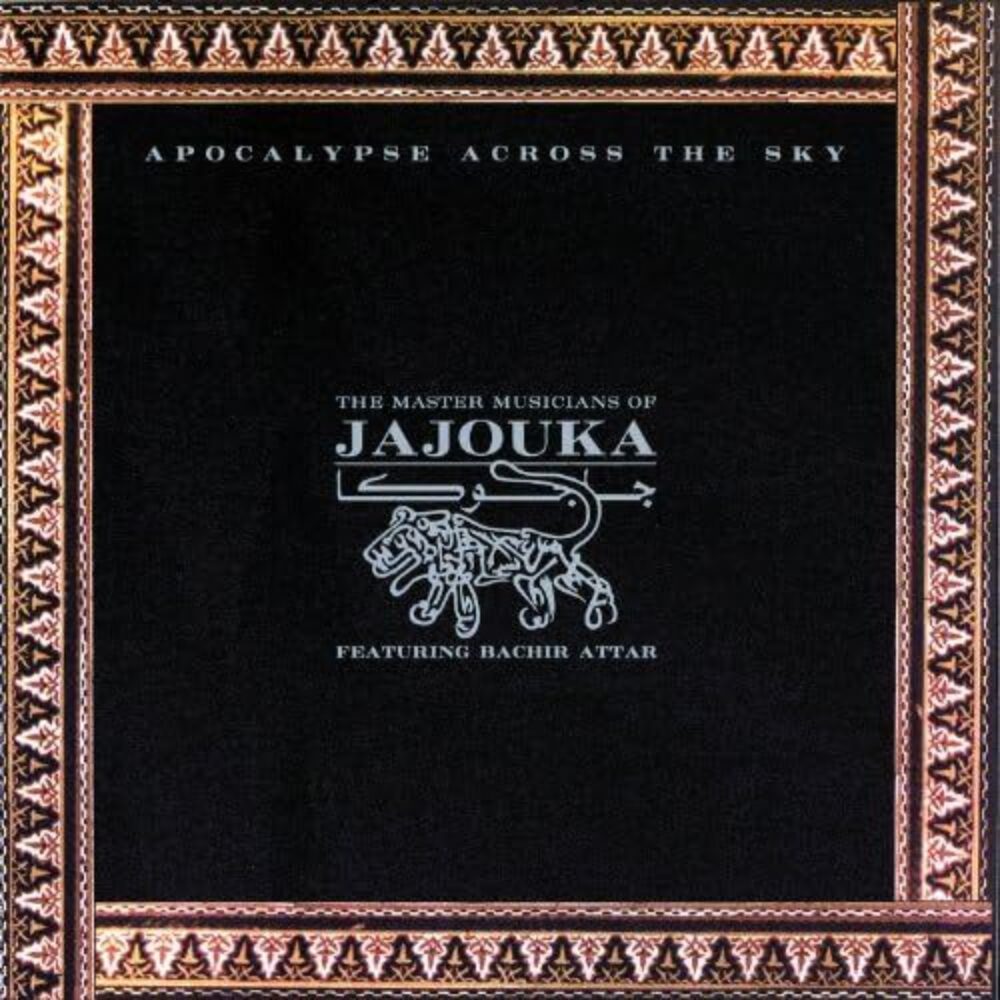
You went with Bill Laswell when he recorded his Apocalypse Across the Sky album, which came out in 1992. That's an interesting record, and I like your descriptions of him. I don't always love what he does, and I got a clearer impression of him in that piece.
I have to say, he was organized. He treated the musicians with such respect and care, and he was very kind to me, not necessarily friendly, but kind. You know, he wanted me to be there. He just didn't necessarily want another friend. Fair enough. But I was around for the music, and for that world. Have you been there? Have you traveled there?
Alas, no. I haven't been to Jajouka. I've been to Morocco a couple of times, and I interviewed Bashir Atar in New York, at the old Knitting Factory I think. That was at least 15 or 20 years ago.
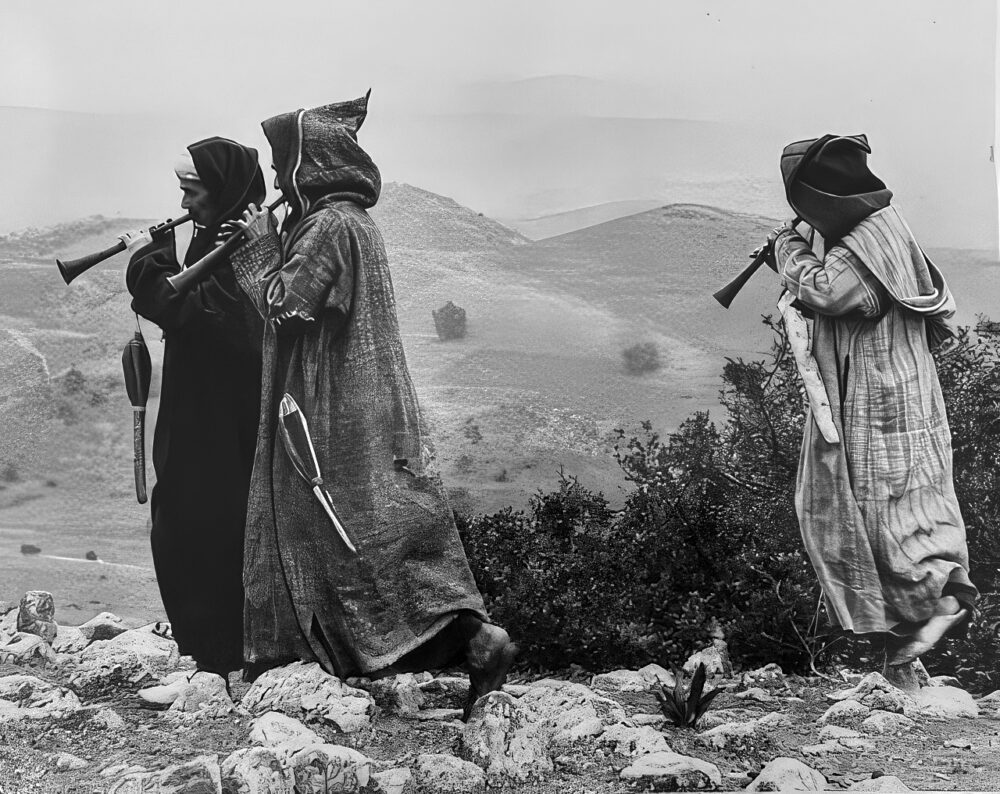
Yeah. He was doing some stuff with Elliot Sharp around then. I think he actually got some version of the musicians to come and play at Roulette. But the musicians that tour and travel as the master musicians of Jajouka… It's not about better or worse, but when they're playing on their home ground, they're up to something very different.
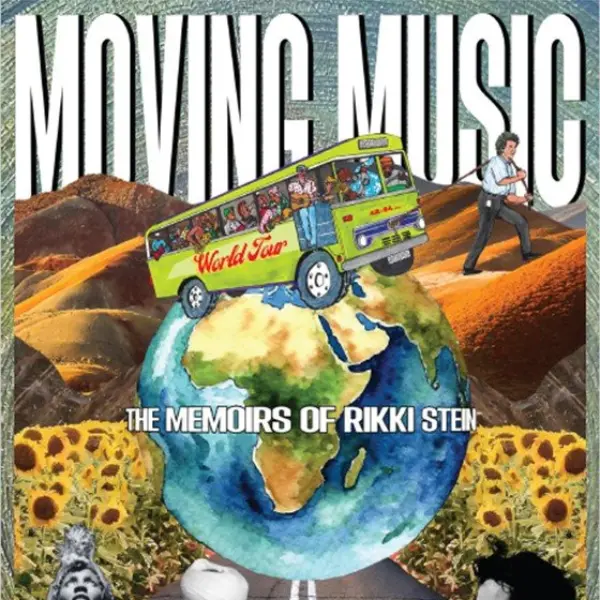
I'm sure, yes. I’ve seen Amanda Palmer’s film The Hand of Fatouma about her father Robert Palmer and his journey to Jajouka. And I spoke with Rikki Stein about his experiences touring the Master Musicians of Jajouka. I quickly heard from Cherie Nutting about the disputed leadership of the group. As you surely know, there’s a big, hot debate about authenticity there.
I don't know who's right about all that, but I was there through the good grace of Bashir Attar and I endorse and approve and enjoy the music that I've heard from his version.
OK. Well, now that we’re in familiar Afropop territory—and you have partially answered this—but how it was that you went from Nick Drake to Khaled and Jajouka?
Wow.
It's interesting. I read Rikki Stein’s book, Moving Music, and Joe Boyd's book, And the Roots of Rhythm Remain, and I’m starting on Ian Anderson's, Alien Waters. It seems like a lot of our global music peers are reaching the stage in life for looking back and doing writing that's more reflective. These books are all very different, but what was your intention in pulling these pieces together? What was the goal?
To try to make sense of where I've been, where I'm going… You know the title was a gift. I was in a university bookstore in Providence a few years ago, and I saw a book with that title on the top shelf at a university bookstore. I looked at that—How to Prepare for the Past—and thought: I need that. And I got a ladder and got up and I pulled it down and it was How to Prepare for the PSAT. But when the universe gives you a gift, you know, go for it.
That’s hilarious.
To be honest, my goal in this was just to tell stories. It was really no more than how can I weave these stories in such a way that I can create a sense of timelessness? You know, my goal was to really tell the stories in such a way that it stopped being nostalgic and stopped being sentimental, and it became about the feeling of that moment. I won't say that was hard, but it was very specific, because it was really important to me in the same way that, if you're playing a song that you've played a number of times before, you try to find your way into it in such a way that it feels like you're reinventing it, and it feels like it's being played for the first time.
Yes. I know that feeling.
And so my intention was to try to create rather than recreate. And I think when it works, it really works. And most of the time when it didn't work, I left those pieces out.
Some of these pieces have published before. But is some of it material written as you're putting the book together?
I would say half of it is brand new, and of the other half, almost everything I reshaped and reworked, not because I had something wrong, but because I just wanted the voice to be consistent.
Sean [Barlow] was reading it and saying, “How does he remember all this dialogue?” And I'm thinking: well, it's probably not exactly remembered. I notice a certain quality that runs through many interactions where the person you're talking to really challenges you, or sort of calls you to the carpet in some way. I feel like that is a running theme in the book. Talk about that.
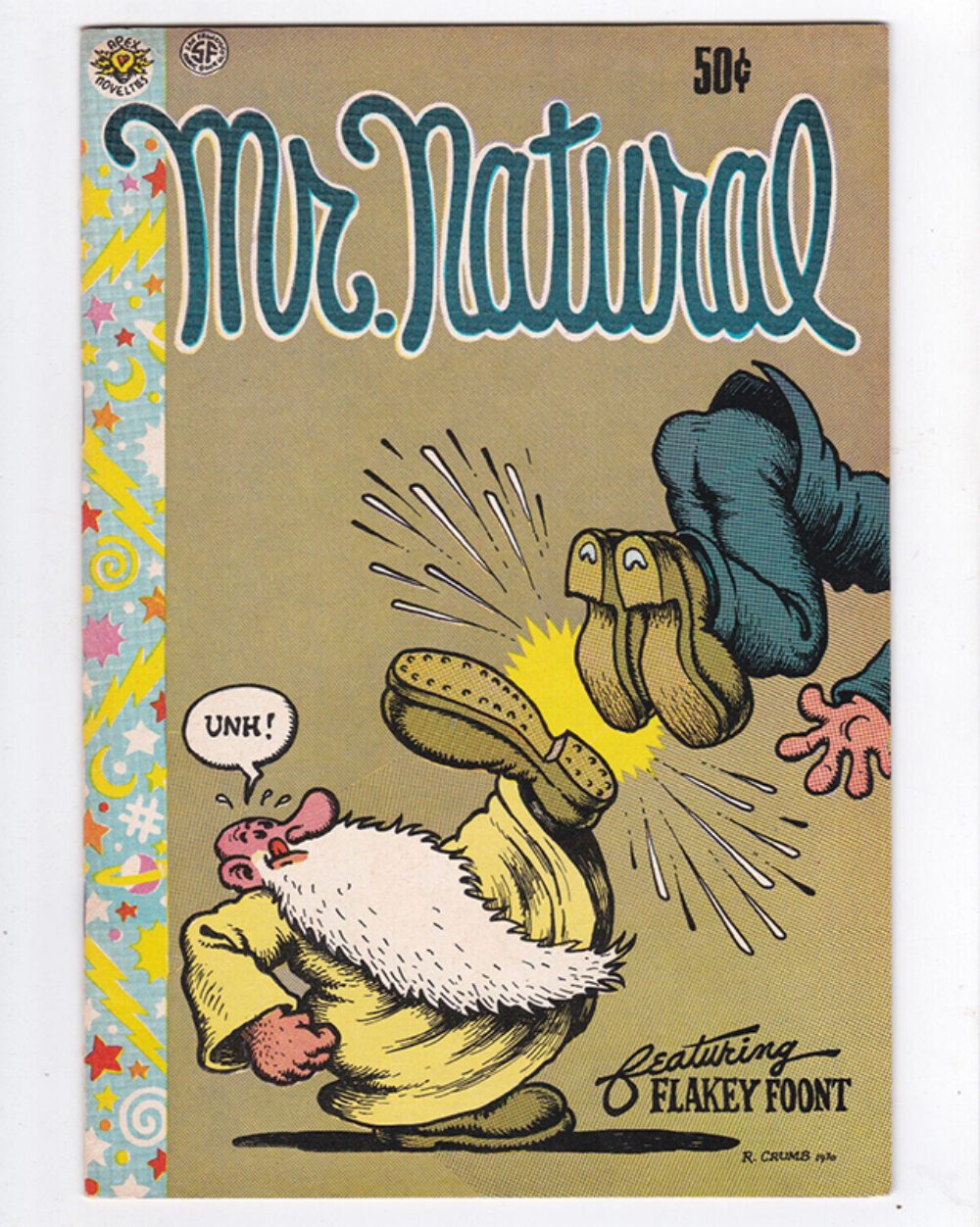
Well, you know. Flakey Foont. I'm there with Mr. Natural and I felt it was really important not to set myself up either as an authority or as the coolest person in the room.
You're quite self-deprecating, actually.
But I thought that was a way in to how these things work. And I think by being ignorant, but enthusiastic, I'm not sure I was able to gain people's confidence, but I was able to get them to bring me along. And that's more than half the battle. I think the other part of it is a lot of what I've learned and a lot of the information that I've been lucky enough to get about people like Khaled and Sunny Adé and Fela came through this wonderful character you may have known, Jumbo Vanrenen.
Of course. Jumbo created the Earthworks label, which introduced many of us to all sorts of things, including Mahlathini and the Mahotella Queens and Thomas Mapfumo. He was a very important guy.
Jumbo was a wonderful guide and inadvertent teacher to me, and I also think to Ben Mandelson, Jonathan Rudnick, Lucy Duràn… He knew everybody; he knew the music; and he knew the musicians. I would sit in his living room in London and, you know, half of Fela’s band, and three or four of his managers, and Jali Musa Jawara, and one of his wives, people from Les Amazones and the Lijadu Sisters would all show up at some point. And I just got to watch.
Amazing.
I was lucky enough to just have people let me just sit and watch and not judge me, and feel like they were safe, or at least not under immediate threat.
I relate to what you're saying, because when we were starting to do our research in Africa, we too didn't know all that much. We were also using curiosity and enthusiasm in place of real knowledge, and it did open a lot of doors. Many of those artists were really keen to be exposed in America, and they liked the fact that we had this national radio show with Georges Collinet, who was a hero to a lot of francophone Africans because they had grown up listening to him on VOA. So with those things as door-openers, we had our own experiences of getting ushered into all these wonderful worlds. Your experience is really broad. It covers so many different genres and scenes. So how do you feel having written this? Did it give you a sense of…. Well, “closure” probably isn't the right word, but just summing up in a way that feels satisfying?
It feels really satisfying. I mean the book came out a week ago. So I'm still riding on the high of that, and I feel like my job now is to present the book and to stand behind the book and not get in its way. And so I've got some readings set up in the U.K.. Joe Boyd is going to moderate and introduce me out a few of those. And Martin Messonnier is being so supportive, just so helpful. And he's set me up with some readings in Paris. And I've got a reading in Bordeaux and elsewhere, at mostly English language bookstores. But, you know, when I have a few moments, I'm making notes for what else I can write. And actually, I just got an assignment to do a story, not about music. Got an assignment yesterday from an old friend. And I have no idea what I'm going to do, but I have two weeks to do it.
Not about music?
Well, I can make it about music, but basically, he has a column in a magazine and just sort of opened the column to me and it's more or less “the road not taken.” So I can take that wherever I want. You know the old Yogi Berra saying. When you come to a fork in the road, take it.
There you go. Well, it's really nice to talk and connect, and congratulations on the book. I know you're going to have a good time doing those readings.
I'm having a great time. And if the book finds an audience, that's great. For me, the fact that it's out in the world and that we're talking about it, that's a success.
Amen. Thank you. And bon voyage.
Related Audio Programs
The Story of Rai
Related Articles
Rikki Stein's Gonzo Journey as an African Music Manager