Calheta SoundsCool: Cool Sights and Sounds from Madeira Island
Photos by David Katz.
Taking place on the first Saturday in May, Calheta SoundsCool is an easy-going, family-friendly festival, held in a stunning location on the edge of a relaxed fishing village in Madeira’s far southwest. Non-commercial in outlook, inclusive in orientation and run by a core of fun-loving music fans, the festival features diverse world music acts that are deserving of greater exposure and the many nearby cultural attractions are appealing lures for a longer stay.
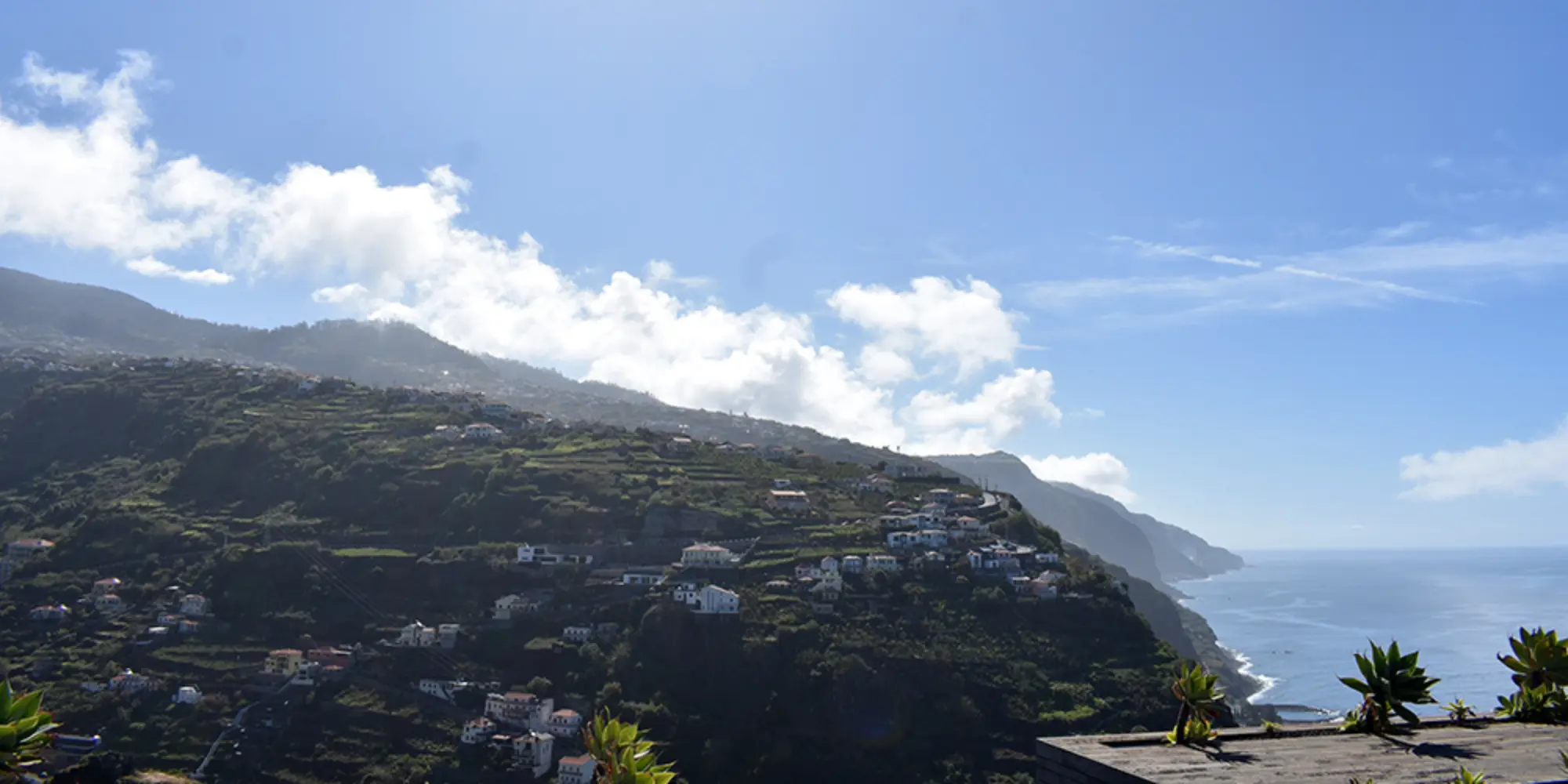
Direct flights from Lisbon take under two hours and from London about three and a half and once the aircraft touched down on the tarmac, it was immediately evident that this lump of volcanic rock in the middle of the North Atlantic is a scenic land of dramatic contrasts. The island is an autonomous region of Portugal that lies some 500 miles southwest of the mainland and only 320 miles west of Morocco; about half of Madeira’s 250,000 inhabitants live in Funchal, the buzzing capital, and traversing the terrain involves hurling along twisting roads that cut through the massive mountain that towers above the rocky shoreline below. Seafarers knew of the place in the middle ages, when it was known as one of the mythical Isles of the Blessed, though it was inhabited only by sheep when the Portuguese explorers João Gonçalves Zarco and Tristão Vaz Teixeira rocked up in 1419, having been blown ashore on neighboring Porto Santo the year before. The subsequent development of a sugar industry drew Genovese, Flemish, Basque and Catalan traders, among others, but the manpower was slave labor, first using the Guanches snatched from the nearby Canary islands and captured Berbers from North Africa, later supplanted by diverse West African tribes. The system of chattel slavery was maintained until the late 1770s and by then, sugar had given way to wine, Madeira’s vineyards yielding the base of a fortified product mixed with brandy; evacuees from Gibraltar during World War II included many Jewish families, providing another branch of the island’s very mixed family tree, which feeds into the music and culture of the place.
From the airport, it’s a quick 20-minute hop to Funchal proper and then another 45 minutes to Paul do Mar and the journey is a very pleasant one, with some waterfalls in the distance along the way and the turquoise-blue Atlantic rarely out of sight. Paul do Mar’s a very pleasant village of old-school fishing families, with some informal guest houses and great fish restaurants adding to the appeal. At the top of the village lies the Maktub Pub, which is the spiritual home of Calheta SoundsCool, as well as the place to experience the best sunsets on the island.
Every festival has a visionary behind it, with the drive, determination and craziness required to get the endeavor off the ground and in SoundsCool’s case that person is Fabio Afonso, a likeable bloke with a firm handshake and a twinkle in his eye. He says that the festival’s backstory is a bit complicated, involving luck, chance encounters and the determination to have a good time, powered by the proceeds of vintage wine sales.
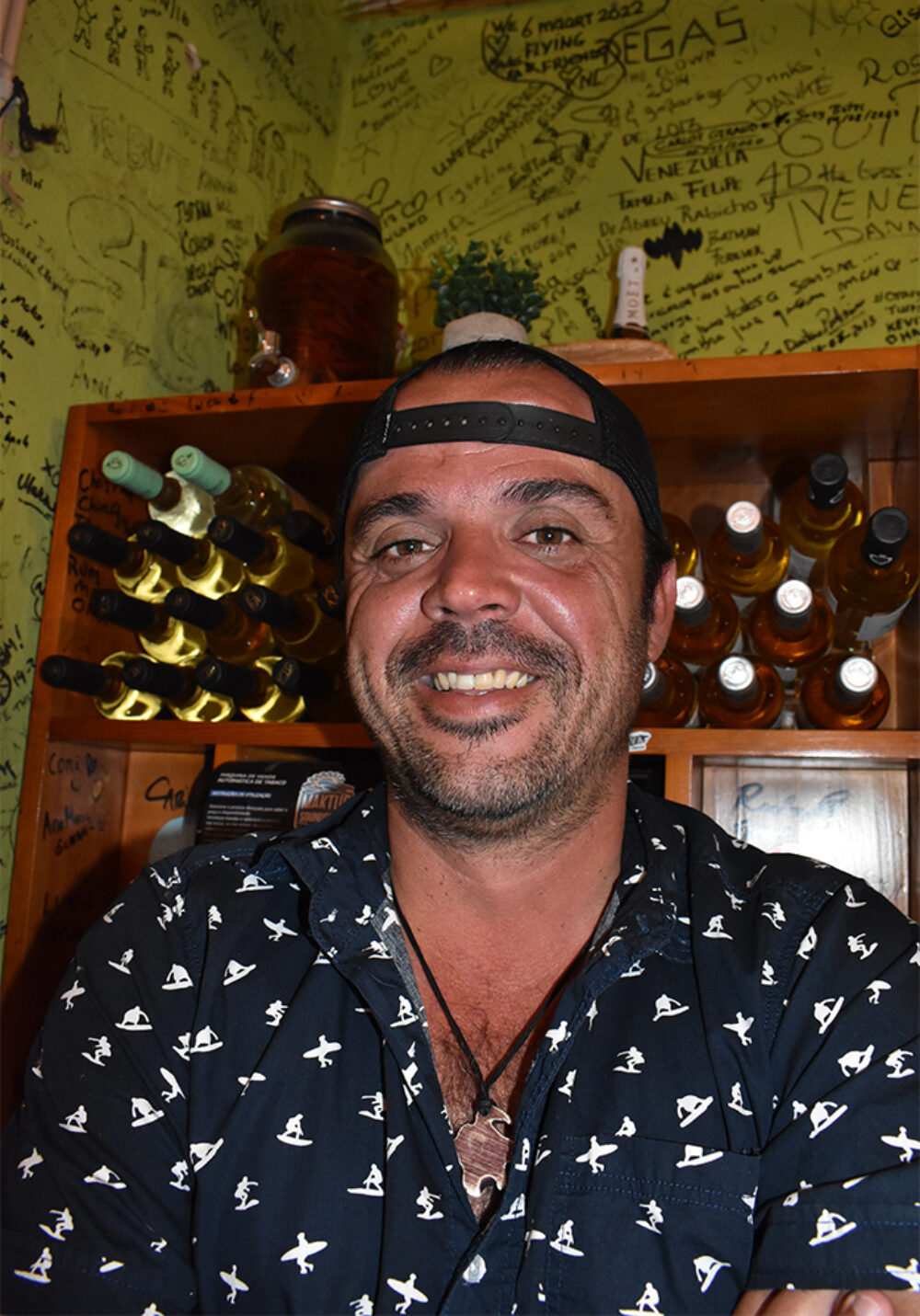
“I’m from Funchal and in 2000 my dad got a house in Jardim do Mar, the next village over, where we based the family,” said Fabio. “He has always been a seller of goods and then he took a trip by boat, selling vintage wine, and I was the one in the back office, to make it happen with satellite communication, sending the weather forecast and confirming the ship’s positions. He took two barrels of Madeira wine from the olden days, like the malvasia sweet wine, and right now we’ve got wine with a high value, because we have records showing that when the Portuguese discovered the routes for India, they took wine barrels in the hold so that the boat would stay level, and they tried to sell it but most of the wine could not be sold so they returned with it, and now it’s like the Rolls Royce of wine. So I was selling wine with my dad and travelling with him across the Atlantic to Cabo Verde and then the Caribbean, but we broke the mast and after my dad returned to Madeira, it took me two years to return!
“So when I arrived here in 2010, we had a drink at the bar where we are now and the guy who owned it was tired of running it, so we took it over and that’s how it started. Then it was just a bar with two tables, a little place far away from everyone with nice mojitos, reggae music and a beautiful sunset, with people in flipflops and shorts and the coolest vibes. And the festival starts on the first year anniversary as a birthday gift for the people; every year we have the obligation to give something to the guests, so we started to bring artists from different parts of the world, like Macka B from UK, Ferro Gaita and Sara Tavares from Cabo Verde, Mishka from Bermuda, Mercado Negro from Portugal, Naaman from France, and Clinton Fearon of the Gladiators. The venue expanded over the years and the festival just grows and grows and grows, and in the old days we used to do everything without any external support, but for the last three years it’s become a public event with the support of the municipality, the government of Madeira and the local tourism board, because this is the only significant music event outside of Funchal, and the farthest away, so we’re grateful to have this recognition. And the festival is something unique. It’s about families and about lifestyle; more than just a party, it’s about the ambience, and it’s a special thing happening here – it’s our way of life and we’re not gonna change it.”
Back in 2011, the first edition of the festival bore the name Maktub SoundsGood, and as the audience grew bigger it was renamed Calheta SoundsGood to make its positioning more obvious, and in 2025 it became Calheta SoundsCool, in recognition of the broader regional partnership. Free for many years, the entry fee is now a modest €10 and even that is not for lining Fabio’s pockets, since all proceeds go towards the funding of a local music school so that the next generation may further the local musical traditions. This year around 800 advance tickets were sold and the total number of attendees were somewhere between 1,000 and 1,100, forming a sizeable but manageable crowd for the space.
And it is easy to see why the Maktub Pub has been such a success in its own right, even without the festival connection. Directly opposite the most breathtaking sunset spot on the island, with a menu of locally-caught fresh fish and the best mojitos in Madeira, it’s a congregation point for locals and travelers alike, the soundtrack of vintage reggae and cool rock steady helping everyone to soak up the vibes. My tuna steak was well-seasoned and there’s a range of local beers on offer too.
Due to the geographical location, the awesome sunset finally happened around 9:30pm and once the afterglow receded everyone headed to Joe’s Bar in Jardim do Mar, a locals spot down a skinny side street, for the pre-festival Friday night jam session. Local heroes Alma Negra and Lisbon’s San La Muerte played a few tunes, unplugged style, and even though the Brazilian act Maneva had just landed, they were in attendance too, offering up the odd samba chorus, which soon gave way to local grannies singing sea chanties and folk songs; propping up the bar were the elders of Cape Verde’s Os Tubarões, enjoying shots of dark rum and shooting the breeze. With a full moon shining in the night sky, there was a delightful atmosphere about the place; people were friendly and the drinks shockingly cheap too. It was a lovely way to ease into the festival, and with the waves offering a lullaby back at my crash pad, I slept the soundest of sleeps.
Since the festival is an evening affair, on Saturday morning I headed to the Museu de Arte Contemporanea Madeira (MUDAS), situated in the former manor house that was once home to the great-granddaughter of João Gonçalves Zarco. Dating back to the 16th Century, it was known as the Casa das Mudas, or house of the mutes, because the wealthy family who lived there never spoke to anyone else, other than to issue orders for tilling the soil. The award-winning building makes the most of the surroundings and is now home to over one thousand works by prominent Portuguese artists, including those born in Madeira. Upstairs are pieces by some finalists of the City of Funchal’s Fine Arts Awards held in the city in 1966 and 1967, and elsewhere were two temporary exhibitions, both featuring Madeiran artists. Hugo Olim’s ‘Fitas’ explored the vanishing cinemas and perceived obsolescence of film reels and VHS tapes, the celluloid and videotape now deemed detritus and the cinemas themselves repurposed as car parks, church halls and fast-fashion outlets; Rigo 23’s ‘Into The Abyss’ explored the caustic effects of tourism on local communities, the death of the artist’s parents, and the evils perpetrated by Vasco de Gama in Kerala, India.
After a quick stop at the local rum distillery and a leisurely lunch of fresh grouper at Calheta beach, I took a drive up a very steep mountain road, through banks of cascading fog, to reach the Fanal Forest, a UNESCO world heritage site of hiking trails with spectacular views and plentiful ancient laurel trees. It’s an evocative place that’s a real treat for the senses, the coolness of the air and the changeable weather conditions a refreshing contrast to life on the flats.
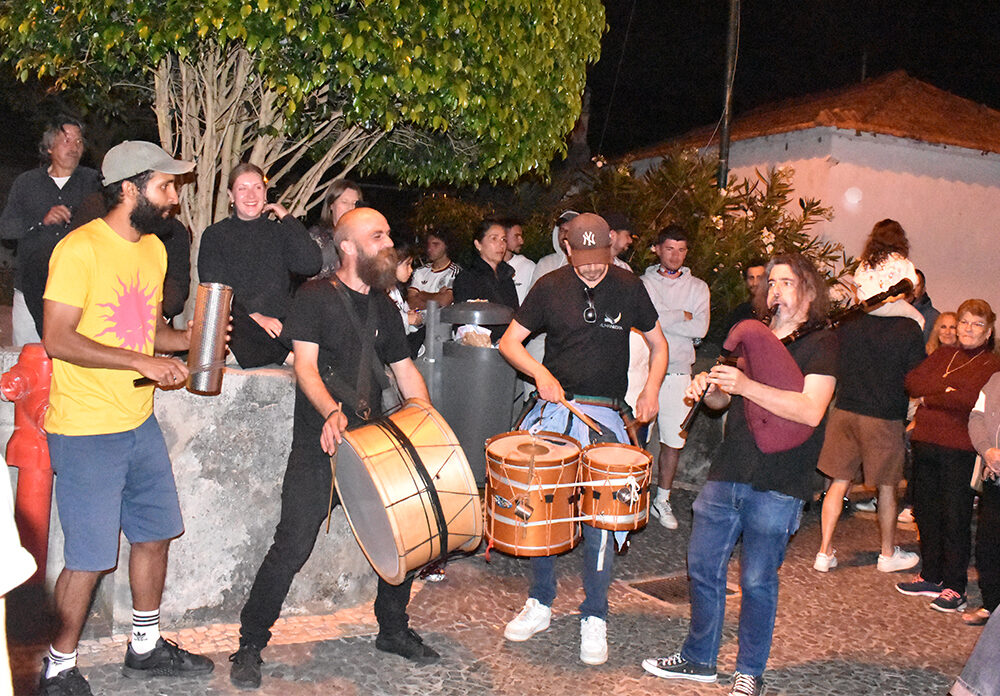
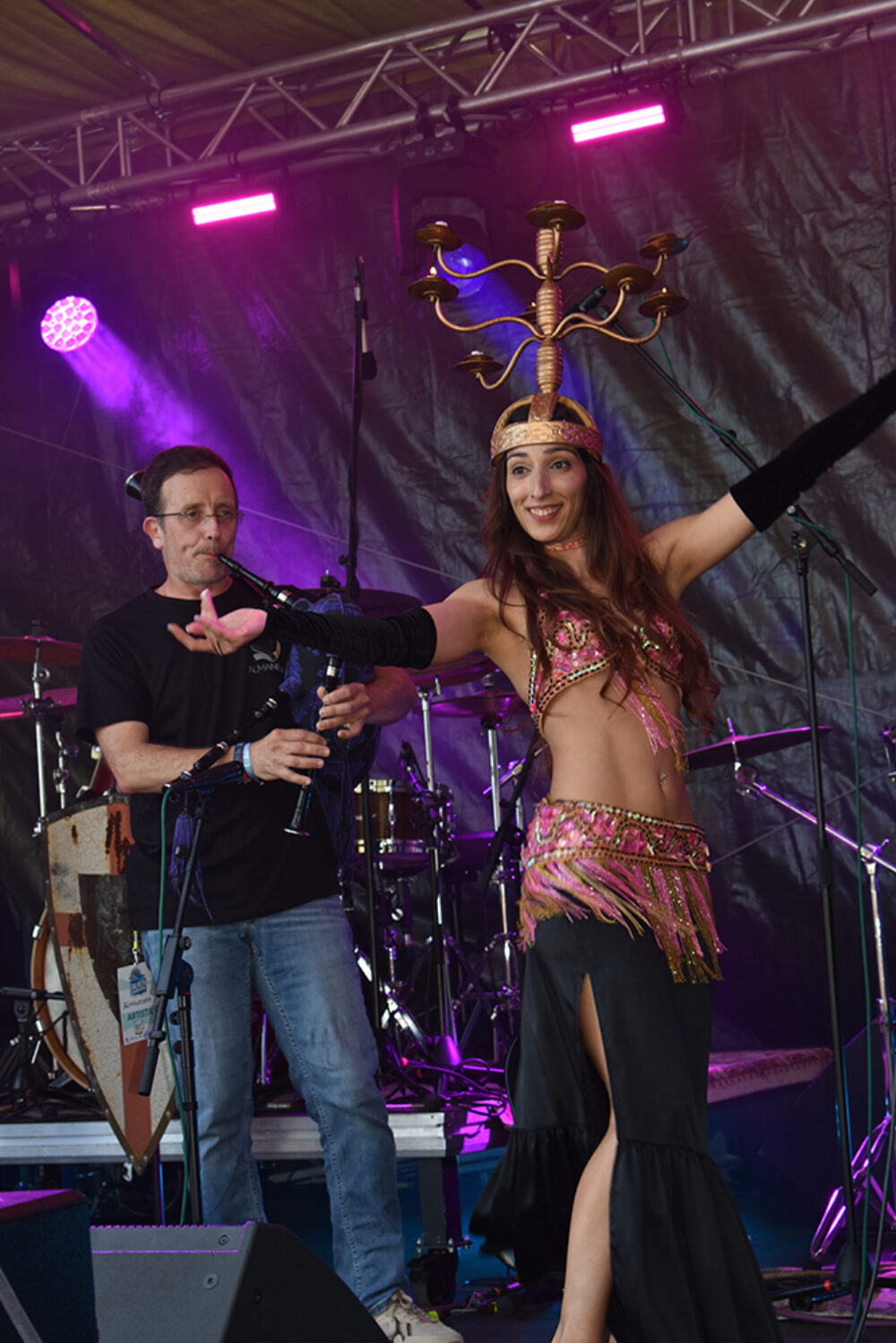
I made my way to Calheta SoundsCool when the sun was gently lowering, arriving in time to catch the opening set by Alma Negra, the bagpipe and percussion act a group of ‘black souls’ named in tribute to the seabird Bulwer’s petrel. Who knew that bagpipes were such an integral part of Madeiran folk music? I certainly didn’t, but since the pipes have been part of Portuguese music since at least the 12th Century, I guess it’s not that surprising. In any case, Alma Negra had three bagpipe players on stage, each with their own approach to the instrument, and two percussionists, the first playing a large double-sided drum and the second a snare and floor-tom combo. It should be said that Alma Negra don’t see themselves as a folk act, being more of a rock band trapped in a folk act’s body, and they kept the attention of the audience through the guest appearances of a fire-breathing, stilt-walking juggler and an agile belly dancer, the music drifting from Arabic influences to shades to Celtic interludes and back again (follow them here).
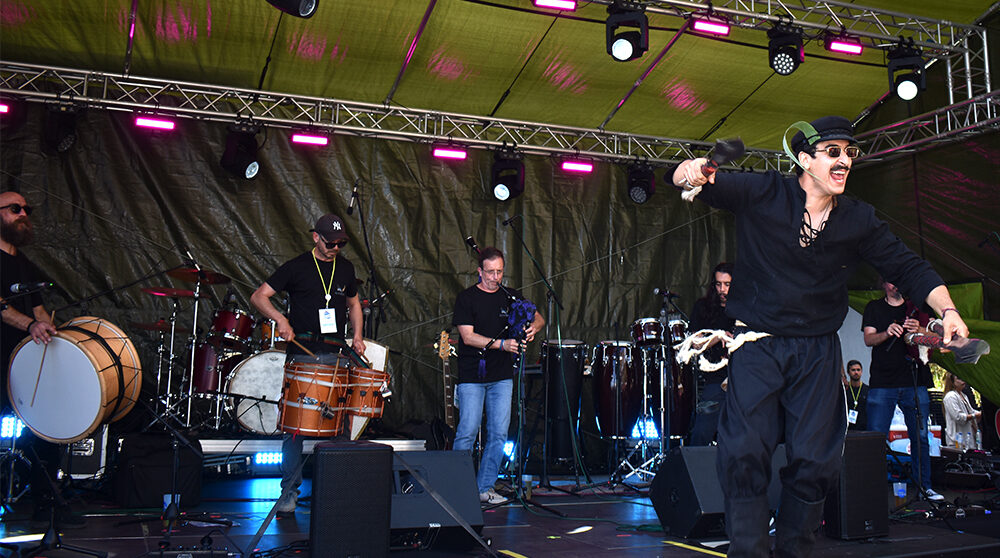
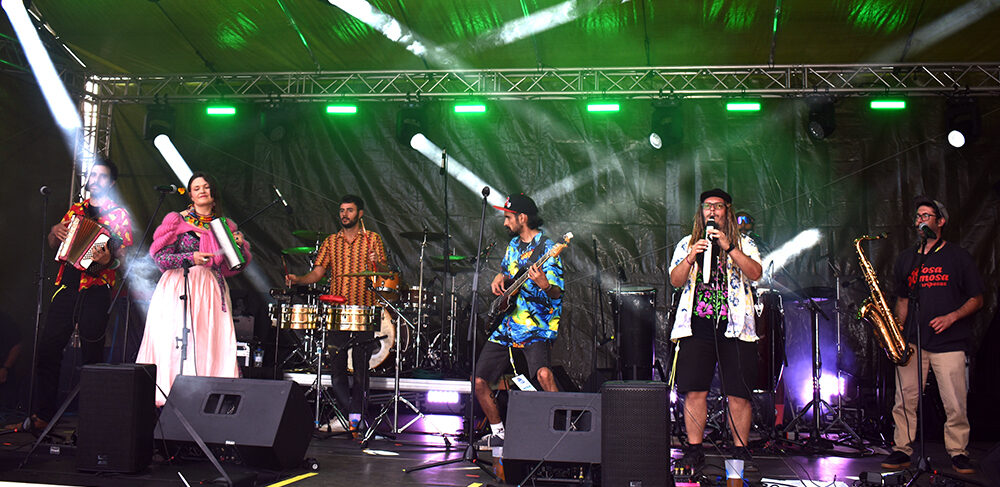
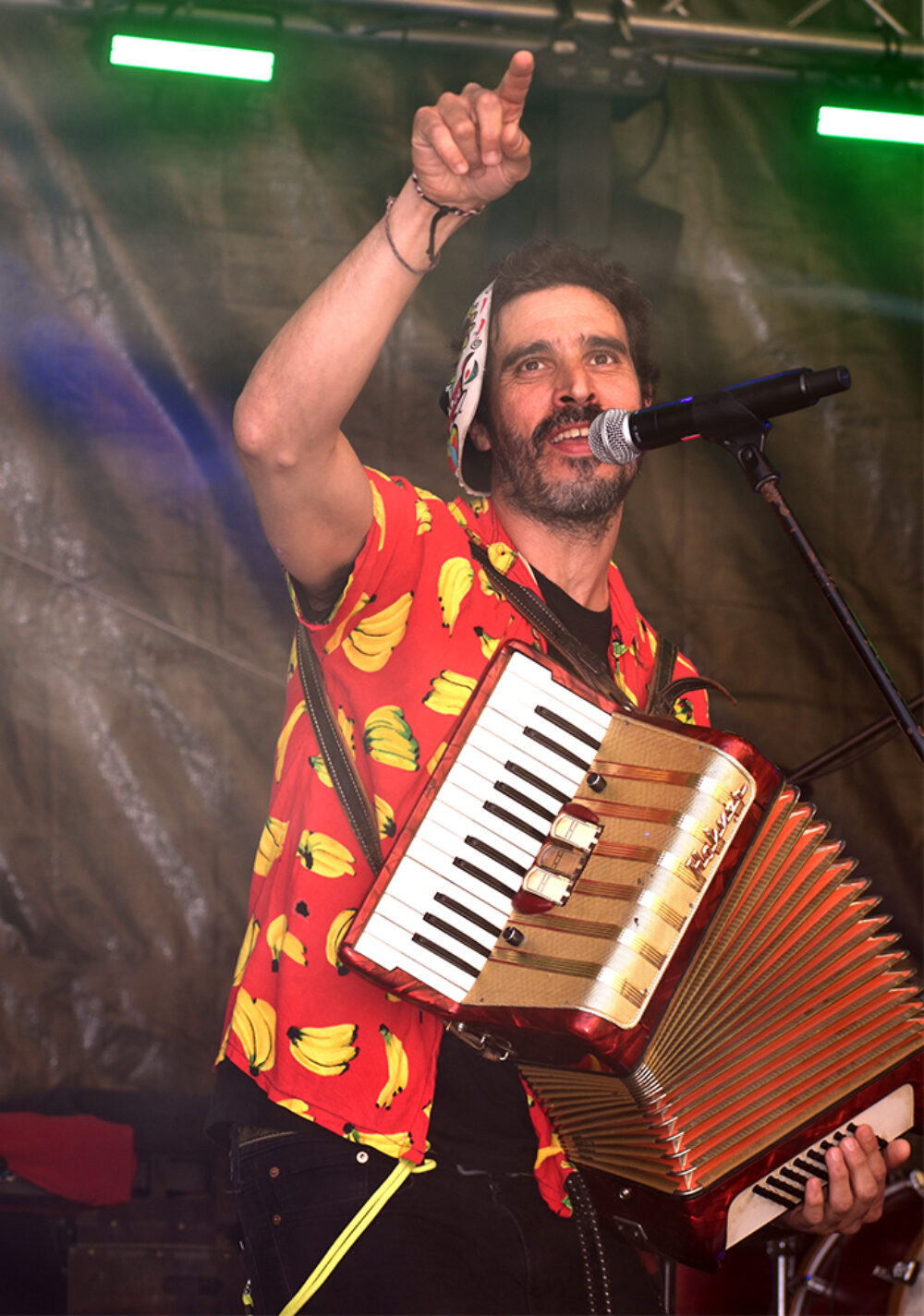
By the time the seven-piece San La Muerte Cumbia Club took to the stage to deliver their own renditions of cumbia classics, the venue was getting busy, the irresistible rhythms keeping everyone on their feet. Drawing from an illustrious repertoire that has echoed across Latin America throughout the decades, San La Muerte favored landmarks from Cartagena and psychedelic cumbia from Peru. Timbales player Gabriel Grondona, conga drummer Guilherme Macedo and guiro queen Denise Lyness provided the chugging rhythms as Sebastião Castro made a melodic anchor from his five-string bass, counterbalanced by Pablo Coronel’s accordion and a dual saxophone attack, one brass and the other a digital aerophone. Colombian classics “La Cumbia Sampuesana” and “La Cumbia Cienaguera” were first recorded by Conjunto Tipico Vallenato for Discos Fuentes in 1953, but San La Muerte delivered their takes medley style, in the manner of Aniceto Molina’s 1995 revival hit.
Other high points included versions of the Peruvian instrumentals “A Patricia” and “Caminito Serrano” (early 1970s gems originally by Los Destellos), plus a rocking take of “La Cumbia de Mi Tierra,” written by Erasmo Pereda of Conjunto Libertad Santiago De Chuco; later we had a chugging rendition of Los Corraleros de Majgual’s “La Burrita,” a lilting version of Gilda’s “Fuiste,” sung by Denise Lyness, and a freaky adaptation of Los Viajeros Siderales’ Colombian pysch creeper, “El Campanero.” Some band members had earlier been part of Rosa Mimosa y sus Mariposas, and we were thus treated to a version of their likeable “Cumbia de la Playa” – all plenty of fun (follow them here).

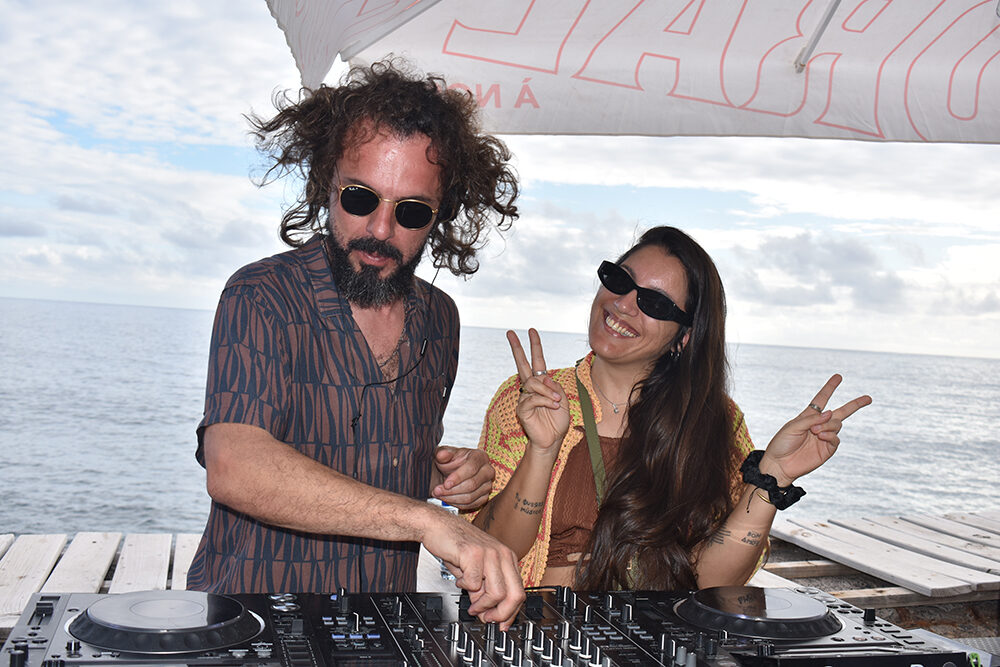
Then the eclectic DJ duo Venta y Amor (Fabio Remesso and Claudia Fernandes) kicked things into a different gear, shifting from Bad Bunny’s “Nueva Yol” to the Gaudi remix of BCUC’s “Thonga Lami” and Zherav’s middle eastern trance number “Bazaar,” and on to “Six” by fellow Batov artist Romano and the shimmering guitar jam of Expresso Transatlantico’s “Bombalia,” closing off that segment with the neo-funk groove of Pigeon’s “Yagana.”
Billed as one of the most prominent reggae bands in Brazil (but coming across more as reggae pop with indie rock leanings), the longstanding Sao Paulo-based Maneva shifted the mood to stadium rock mode, with an enraptured audience singing along with every word. From the opening number “Saudades do Tempo” to the closer “Pisando Descalco,” the group demonstrated their musical competency, Felipe Sousa’s lead guitar often in the spotlight, with Fernando Gato leaving space on the bass for the flourishes of a keyboardist to the rear. Early on came “Lagrimas De Alegria,” their 2021 Latin Grammy-nominated collaboration with the now defunct Natiruts, and material from Maneva’s 2009 sophomore set Tempo De Paz featured heavily, “Meu Pai É Rastafari” and “Daquele Jeito” the odd ones out from their debut. Romance drama “Não Vá Dizer Que Não” was accompanied by a dancing couple drawn from the audience, and there was “Lembrancas” and “Luz Que Me Traz Paz” from 2012’s Teu Chão. “Seja Para Mim” became an audience singalong and “Meu Error” and “Pessimo Negocio” were reggae soft rock; “Va Viver” was delivered by frontman Tales de Polli with acoustic guitar and voice, with soft keyboards behind him, and late in the set came “No Sofá Da Sala,” their recent rocky collaboration with Launa Prado, hinting at the likely future direction of this twenty-years old group. The crowd showed hefty appreciation throughout, showering the band with praise as they took their bows at the end of the peak-time performance (follow them here).


After Maneva’s exit, Venta y Amor hit us with Afriquoi’s “Ndeko Solo” and Nadeem Khan’s “Tu Tak Tu Tak Tukiyan” and soon we were back to the middle-eastern mashup groove of Bunker Buster’s “Ouzo 12” and the funky neo-disco excess of Monika’s “Secret In The Dark,” followed by “Love Is Queen Omega,” a favorite Zuco 103/Lee ‘Scratch’ Perry collaboration from 2005, and then Sault’s “Up All Night,” as well as Los Destellos’ “A Patricia.”
Then it was time for Os Tubarões to take the stage with a dynamic hybrid sound that holds the essence of Cape Verdean music. The band was formed in the late 1960s and was one of a handful of acts that helped the Cape Verde Islands to solidify their national identity in the aftermath of achieving independence from Portugal in 1975, doing so through the propagation of distinctive local styles such as funaná, tabanka, the fado variant known as morna and the two-beat coladeira. Their leftist orientation was in keeping with the mood of the times and the push for a progressive democratic governance in the immediate post-independence phase.
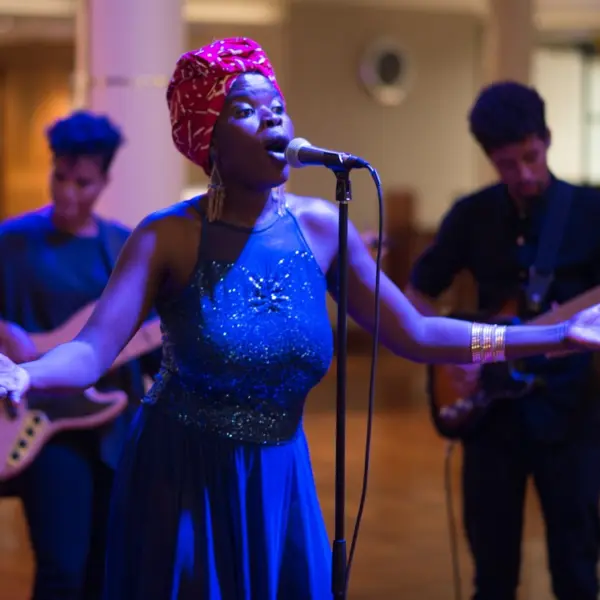
Although the revered lead singer Ildo Lobo passed away in 2004, it was wonderful to see founding member Jose Couto at the keyboards, as well as guitarist Israel Silva and percussionist Jorge Lima, who have been with the band since 1979; the present lineup also includes bassist Adao Brito and drummer Jorge Martins of Ferro Gaita, plus the expressive saxophonist/clarinetist Marcos Sousa and the singer and morna specialist Arlindo Rodrigues, who joined in 2019.
Kicking off with a brilliant version of “Djonsinho Cabral,” a symbolic song of the 1970s recalling the defiance of rural peasants pushing back against oppressive landlords, it was instantly clear that we were in for a treat, the band on fine form and the enchanted audience making abundantly clear their appreciation. Next came the broken-hearted “Somada” and then the salsa-infused “Serenata,” the latter from their 1994 release Porton D’Nós Ilha, and then the emotive and patriotic morna “Nha Terra Escalabrode,” which highlights the individuality of Cape Verdean music.
Soon the band was cranking out a lively medley of favourites written by Pedro Rodrigues, joining “Bardolega” with “Cansera Sim Midida” and “Bran Bran D’Imigraçon,” the latter describing the havoc wrought by obstructive immigration officers; “Biografia D’Un Kriol” similarly described the discrimination and alienation faced by a Cape Verdean in foreign lands. Then it was time for another medley, this time of material from the 1990s, with “Musa Mansa” leading to “Ca Fila” and on to the unity call, “Tunuca”; patriotic morna “Porton Di Nos Ilha” spoke of the new world knocking on the door of an island whose people are fire without ash, on a slope without roots – powerful stuff, and not a dry eye in the house – before the band brought us back to where we started, with a rousing revival of “Djonsinho Cabral,” and some Cape Verdean fans from the audience dancing the night away as invited guests on stage.
Of course, with such musical fire in the place, the stage wasn’t going to be vacant for long, and soon the band was back for an extended encore, treating us to the wonky rhythm of “Tabanka d’Tchada Grande” and the much loved early track “Pepe Lopi,” the late-1980s funaná “Bida Di Gossi” and finally, the sensual tale of tormented adolescence that is “Largan Largan.” Pure dynamite! (follow them here).



After that it was time to cool down and chat with the other exhausted revellers before drifting down through the town after everything fizzled out at 2:00am. Everyone was still on a high as we made our way through the thinning streets for some badly-needed shuteye, and I hit the sack with a big grin on my face.
Overall, Calheta SoundsCool ticked plenty of the right boxes, and the art, culture, food and picturesque nature of the environment adds fuel to the fire. It is definitely worth making the effort to get here and I encourage everyone to take the plunge and check it out. Obrigado, Calheta SoundsCool family, hope to see you again soon!
Related Audio Programs
Cape Verde Sounds: Heard and Unheard

Afro-Lisbon and the Lusophone Atlantic: Dancing Toward the Future
Related Articles