Preserving the Sounds of Malawi
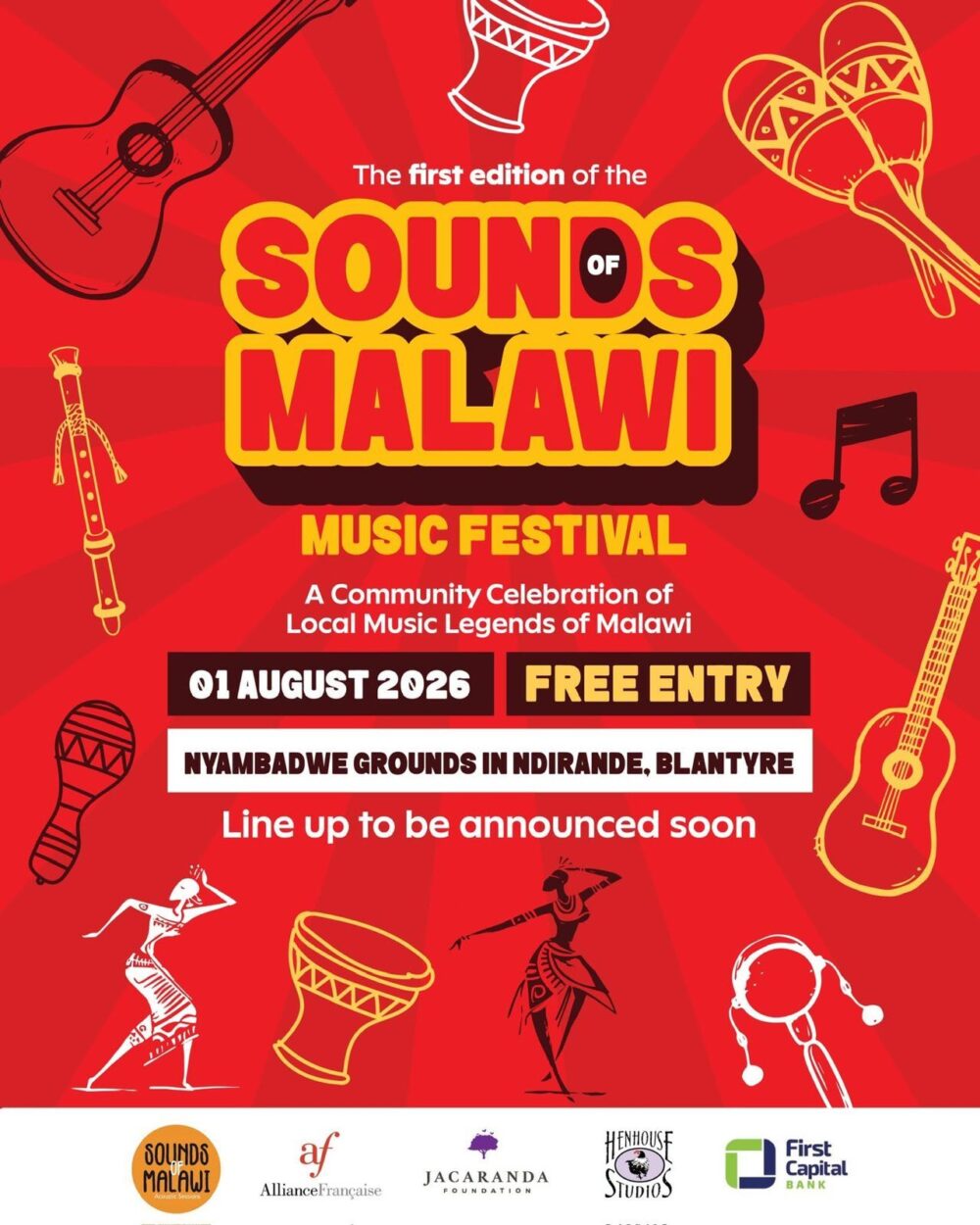
On August 1, musicians from across Malawi will gather in Blantyre for the inaugural Sounds of Malawi Music Festival, coinciding with the release of Sounds of Malawi Vol. 1. Together, the festival and album represent something larger than a concert or compilation. They signal a new chapter in the stewardship of Malawi's folk traditions, recognizing that many of the country's greatest practitioners are still alive, still performing, and still shaping the future.
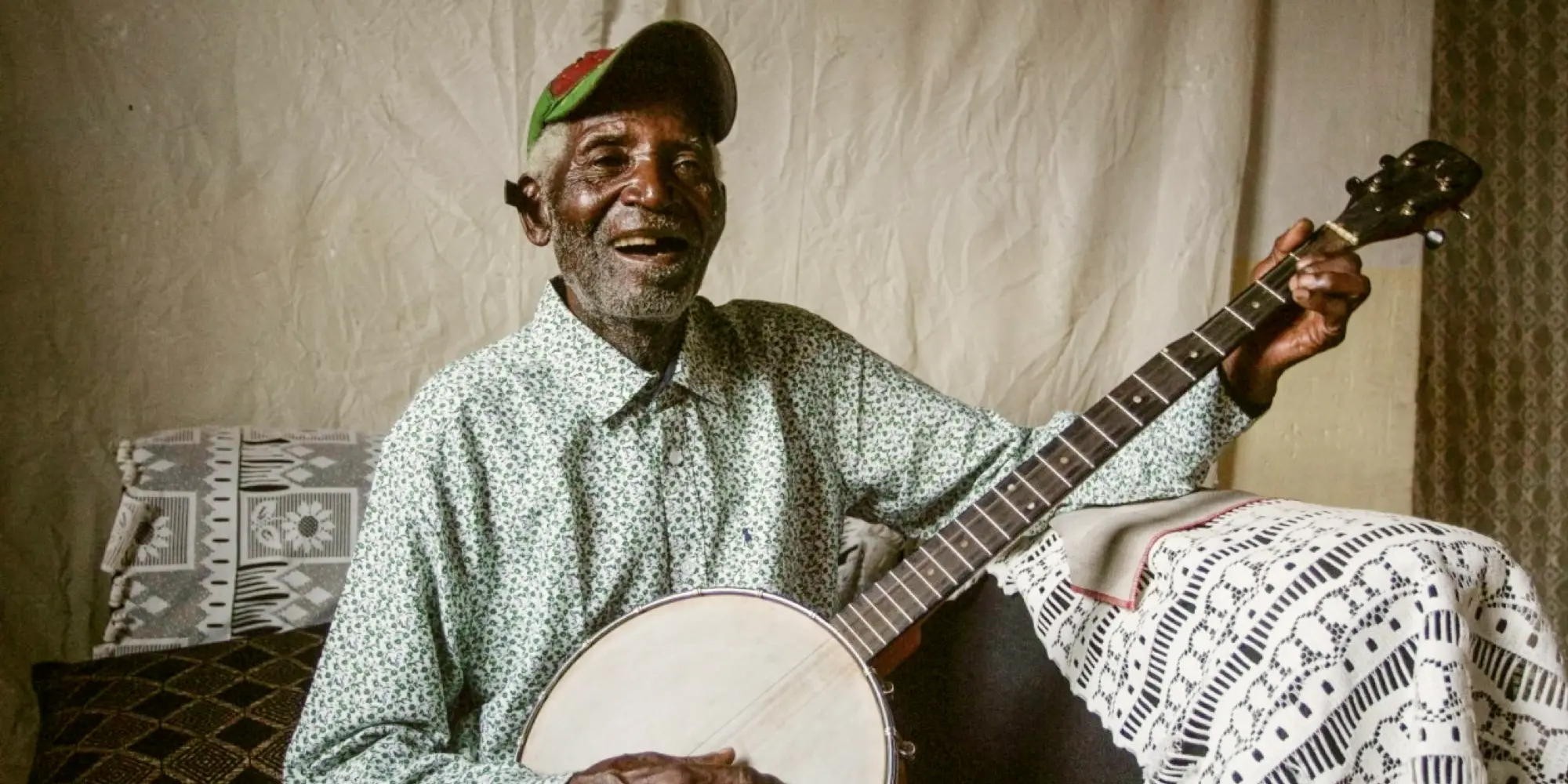
At the center of that story is 96-year-old banjo master Giddes Chalamanda, a musician who has lived long enough to see the music of his generation become a foundation for younger artists. His story is also inseparable from that of Waliko Makhala, a broadcaster, producer, ethnomusicologist, archivist and musician who has spent nearly four decades recording, performing with and advocating for him.
Their relationship offers a window into how music has often been preserved in Malawi: Rather than emerging from large commercial industries, it has been put forward through networks of musicians, broadcasters, cultural workers, families and friends who have taken responsibility for keeping artists and their work in circulation. A culture of reciprocity and shared responsibility—a gift economy in which communities invest in one another.
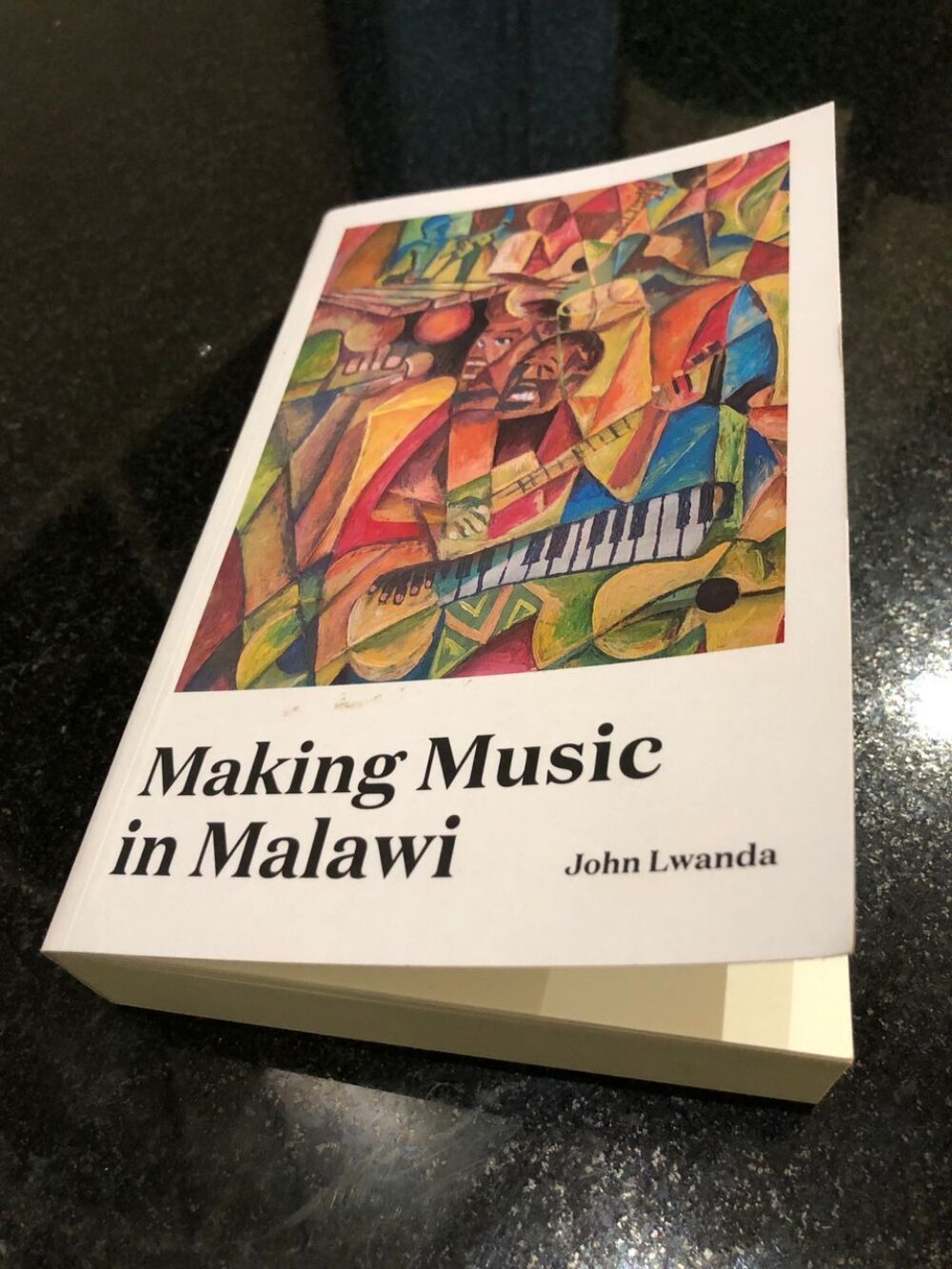
Approximately four out of every five Malawians live in rural communities, many within the Lake Malawi/Nyasa catchment. The lake, the mountains and the villages have shaped patterns of movement, exchange and musical life that cannot easily be contained within modern political borders. As John Lwanda reminds us in Making Music in Malawi (2021), the country's musical traditions are as fluid as the histories that produced them.
It has now been eighteen months since I arrived in Malawi to explore its musical landscape and become part of this ecosystem. During that time, one name continued to surface above all others: Giddes Chalamanda.
At 96, Chalamanda still walks onto the stage carrying the same homemade banjo that has accompanied him for decades. His songs are humorous, disarmingly simple and quietly profound. Audiences often begin by singing along before realizing they are listening to finely crafted social commentary.
Our introduction came through Waliko Makhala, who has spent almost four decades accompanying Chalamanda. Waliko is one of Malawi's most important cultural workers: a broadcaster, producer, ethnomusicologist, archivist and musician Since first meeting Chalamanda in 1987 through the Department of Cultural Affairs, Waliko has recorded his music, toured with him, produced his first cassette, documented his work and helped introduce him to successive generations.
Listening closely to "Linny Hoo," one hears Chalamanda's voice moving within and against the rhythmic pulse, weaving melody into the spaces left by the banjo and percussion.
Chalamanda's music emerged during years of material scarcity, yet his songs are rich in wit, metaphor and understated social observation. That artistic sensibility remains remarkably relevant today. As Malawi puts forward new initiatives like the country's first Sounds of Malawi Music Festival, it is impossible to ignore the continuity between those new initiatives and the musicians who laid the foundations decades earlier.
That continuity came into sharp focus during Legends of Malawi, an intimate performance near Liwonde National Park, where audiences gathered not simply to celebrate one of the country's oldest performing musicians but to witness a friendship that has quietly shaped Malawi's musical memory for nearly forty years.
The following conversation has been edited for clarity and length with Waliko Makhala, whose reflections reveal why preserving artists like Giddes Chalamanda is about far more than nostalgia. It is about ensuring that Malawi's oldest musical roots continue to nourish its newest growth.
How was the show?
The show was wonderful. Giddes Chalamanda played some of his sing-along pieces and it became almost like an intimate group sing-along session. He performed “Linny Hoo,” which went viral after he had a mashup with one of the urban and popular musicians, Patience Namadingo, popularly known as Dr. Namadingo.
He also played some old classics from the 1970s and '80s, songs that define his style. Here in Malawi, we still have a few people who play the banjo. But his banjo technique is different, because he has a pumping type of style. At the same time, he can pick and come up aggressively on the banjo, very different from the other banjo players.
He also played “Maria” and his favorite song, “Buffalo Soldier.”
"Buffalo Soldier" is his favorite song?
Yes, and he claims that he composed the song a long time before Bob Marley.
Before Bob Marley?
It is a bit different, you know? It is not like the way Bob Marley sang it. But he claims that his is the original song.
Giddes is a folklorist, he uses the basis of folk music and then adapts it to the banjo and the acoustic guitar. His music is different from others of his generation because he composes reflecting on the day-to-day issues affecting society.
In one song, he comments on the women of Kamuzu Banda at the time. These women all wore the same clothing, with the image of Kamuzu Banda imprinted. It was mandatory for all these women to put on, like a uniform. So with his song Giddes is commenting, he's praising but at the same time, it's a satire: Look at our women, yes they're very beautiful, but why are you giving them these directives all the time.
But you couldn't tell, because the way he is putting it, right? On the surface this sounds like a happy song. So it passed, it went, it was even aired on MBC.
Yeah, so that's how Giddes is. Because of his sense of humor, he is like the grandmaster of Malawian music, the traditional music. Because he relates to his audience. He's able to have fun, you know? He's humorous, and he's got that positive energy when performing. Even at 95 years old now, he's still energetic.
What is it like to play with him?
When I play with him, it's like an inner feeling that we share, because I started playing with him in 1987. At that time, I was working for the Department of Cultural Affairs in the Ministry of Education and Culture. So, one of our mandates at the department was to revive, promote, and safeguard Malawi's cultural heritage through music and dance, folklore, visual arts, cinema, fashion, etc. So, this is where I was mostly assigned to pick up Mr. Giddes in Chiradzulu, his home village, and we would travel together to various places, including the MCP annual conventions, where we organized cultural performances. Giddes was a favorite for them.
That was when I started spending time with him and trying to understand his music.
Later, when I started working for the pioneers of television in Malawi, TVM, I was producing cultural shows, and this meant that I would also engage Giddes in several cultural programs and soundtracks. I used to go and pick him, play with him. And our relationship grew.
From that time onwards, on the 19th of April 1999, I was his first producer to produce a cassette. He was going around selling them. He would come, walk all the way from Chiradzulu, collect the cassettes, and on his way back, he would stop selling and playing. Because he was moving with his banjo and a pack of cassettes. So that's how our relationship has gone from strength to strength up to today. That's how I've been playing with him of late and trying to tour with him to various places in Malawi.
You have also worked with other musicians of his generation.
Yes, not only Giddes. We tried our best to promote these artists, including Boniface Namira of Lucky Stars Band.
He sang the popular "Chinafuna M´bale" ("It Needed a Relative"), which was like a national anthem of Malawi, very popular at weddings and social gatherings. He's still around, and I still also play with him.
Why do you think Giddes Chalamanda is not known internationally?
He has been able to fulfill a lifelong wish to perform in America. Not a lot of people know of him outside Malawi, except for those who witnessed his performances in 2016, when he went to the USA. He performed in Washington and Indiana. where lots of Malawians are.
He has also left his music at the Library of Congress. You can find the cassettes and the CDs there.
Yeah, so, internationally, you are right, he's not, recognized, not until we push a little bit further about his music internationally. Now, with TikTok, Spotify, and all these digital platforms,I think more people will be able to discover old legend from Malawi. Fully utilizing these digital platforms could make him more visible on the international scene.
The collaboration with Namadingo on Lindy Hoo feels like a breakthrough. It introduced him to a much younger audience. What does it mean to you to continue taking Giddes out to perform at this stage in his life?
I feel some satisfaction in taking him out. He's always in the village, and at his age, like can become lonely. Great, great-grandsons and daughters have left the village. So the old people left in the village are leading a lonely life. I have a project that I am doing. which includes work like the one I've done with Giddes. I normally go and play my music for older people, chat with them, get their stories, untold stories of Malawi.
I play them the old classic songs that they used to like, to take them down memory lane. In that process, I get a lot of stories about Malawi. With Giddes it's a bit different, because we also perform together. I like to take him on an adventure. So, we go and visit the national park, see the wildlife and have fun. On the next one I want to take him to Butterfly Space, to the lake and then go to our mountain. So that's part of the program that I'm doing. Of course, it's a bit challenging, because I need to use my own resources, and now to travel in Malawi is very expensive. Also the fuel and the bad roads.
Absolutely.
That's what I'm doing. And Giddes is one of several other artists of his stature that I would like to support and perform with.
That's amazing. Well, you're definitely a custodian of Malawian music. What makes you feel responsible for doing this work?
First is the passion, and second is the idea to promote and preserve our heritage through such legends, because I think we need to celebrate their lives when they're alive, and also document as much as possible.
These guys have done a lot in terms of Malawian cultural systems, not only performing with their banjos but also making social comment that had real impact during their prime.
Most of his peers are gone, most of his friends. They're gone, and their styles have gone with them. In Malawi, we have a unique banjo playing technique, like that of Alan Namoko and others. Those techniques could be studied at our universities in musicology or African music studies because they are so unique. These are opportunities…
When the government commissioned us, like me, in 1987, to start the cultural troop, and also to do a catalogue of Malawian indigenous cultural systems, it was a challenge. That's why I was exposed to more of the artists in Malawi and to the traditional systems of Malawi. My passion started at that time, and that has continued up to date. That's why I found myself biased towards these cultural systems, as well as indigenous knowledge systems preservation.
Yes, it's very rich.
With Giddes, we need to document him—a proper documentation of him and his music. We haven't done that yet, and there's nowhere people can go to find it. It's us who have to do it.
Indeed.
Related Audio Programs
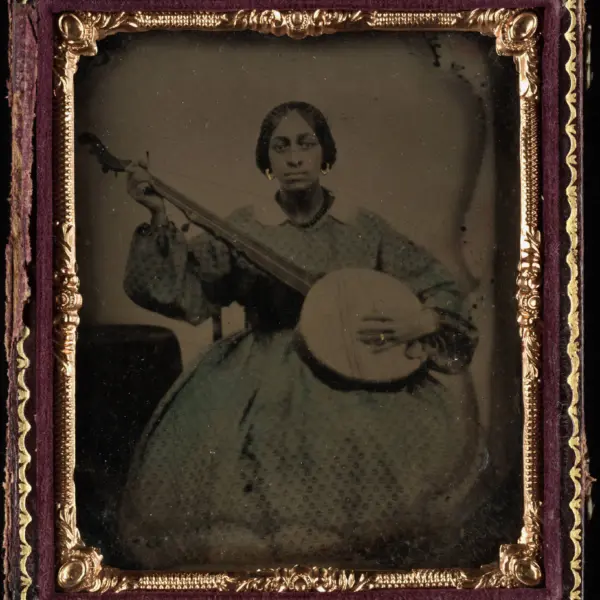
Black History Month: The Black History of the Banjo
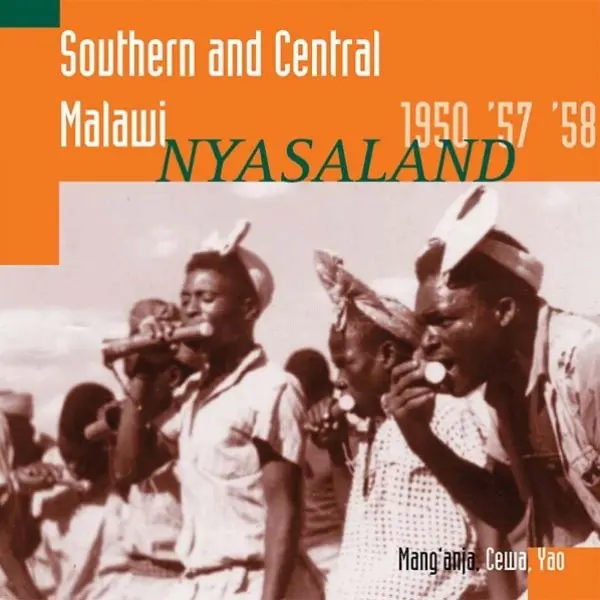
Saving the Malawi Tapes
Planet Afropop: AfroPopup in Malawi: Rising Stars from the Warm Heart of Africa
Related Articles