40 Years of Nuits D'Afrique, North America's Premier African Music Festival
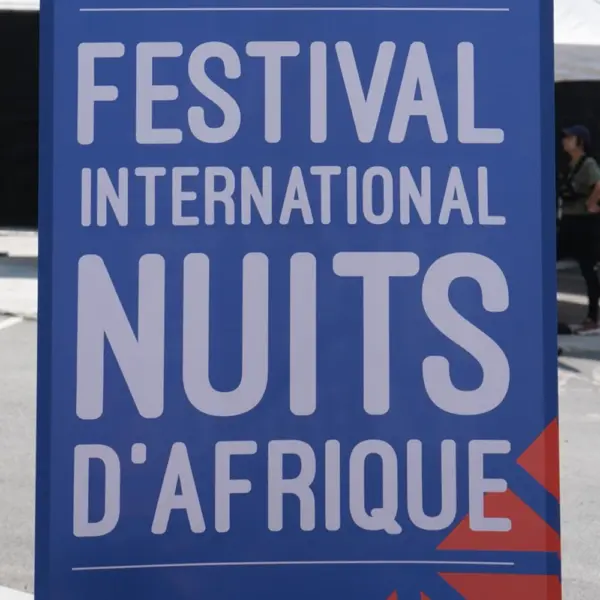
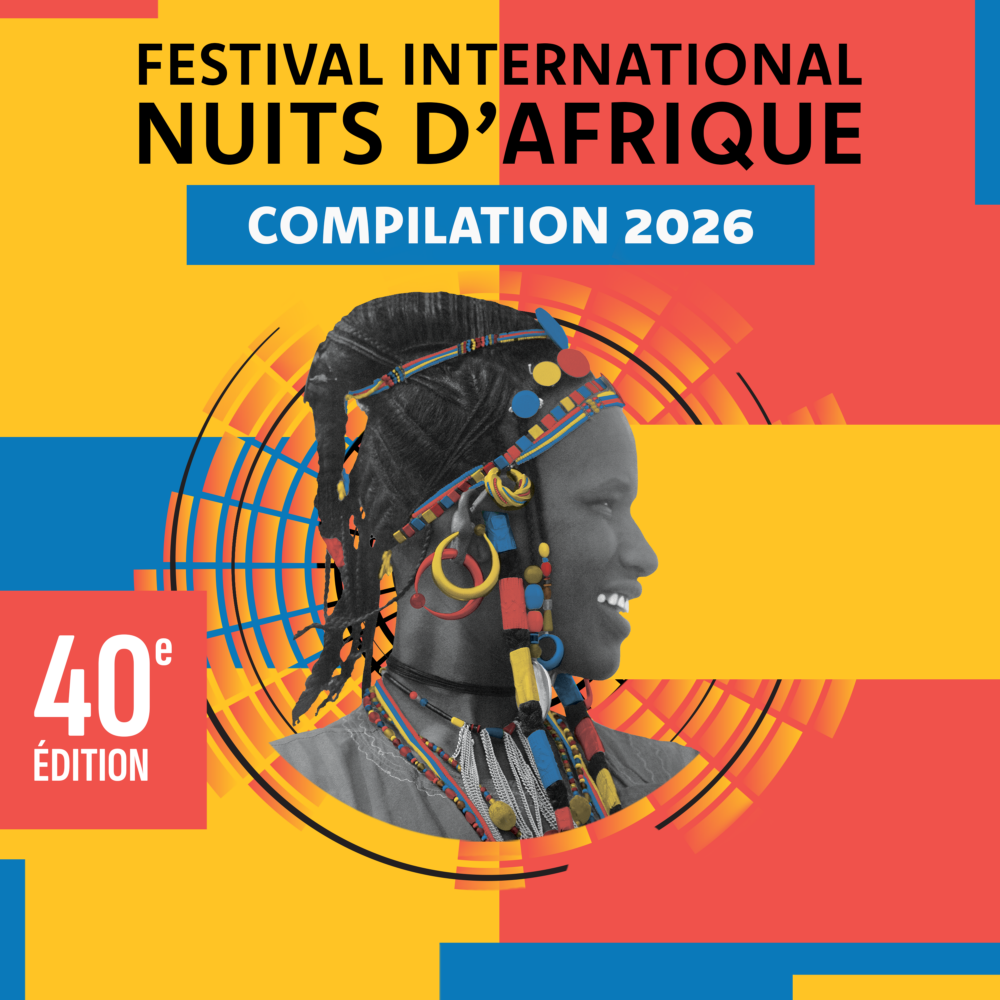
The 40th edition of the Festival International Nuits D’Afrique in Montreal just wrapped up after 12 days of music, dance, cuisine and the city’s one-of-a-kind summer ambiance. Afropop readers and listeners likely know that we have a special relationship with this festival, as we started just two years later with essentially the same mission: to promote the music of Africa and its global diaspora communities.
On the last day of the festival, I spoke with co-founder Suzanne Rousseau and remarked that she doesn’t seem to have aged a day over these four decades. How does she do it?
“Good music, nice people, beautiful artists, happy people. So we don't get old easily. That's it. Music keeps you young.”
The world is a different place in 2026 than it was in 1986. For one thing, Montreal itself has become far more multi-cultural with large Haitian, Congolese, West and North African communities and more. During Nuits D’Afrique,downtown becomes a kaleidoscope of faces, fashions and lifestyles, all happily rubbing shoulders.
But the conditions for presenting international artists have hardened. In 1986, major African and diaspora artists were just beginning to get international recognition, including tours, record deals and press coverage. Today, the obstacles to touring are formidable. Canadian festivals have always featured artists that don’t make it to the U.S., but for many others, North American touring has depended on securing U.S. gigs. Rising visa costs, uncertainty around the U.S. immigration process and a perceived mood of xenophobia in the United States have discouraged many artists from attempting U.S. tours at all. As for record companies that once supported such tours, well, they’ve gone the way of the dodo bird.
All of this created new challenges for the organizers of Nuits D’Afrique as they prepared to celebrate their 40thanniversary.
“When we were organizing this all throughout the year,” says Rousseau, “I really wanted to make sure that this was a 40th edition that is up to ‘the zing.’ Top-notch. As you say, artists are not touring as much as before. So it was a lot of work to make sure we had the names that represent really the last 40 years, with artists who have a connection with Nuits D’Afrique and that leave a legacy to the new generation of artists.”
The result was a lineup that looked both backward and forward. Artists like Oumou Sangaré, Tiken Jah Fakoly, Diblo Dibala and Tabou Combo represented decades of shared history with the festival. Montreal-based artists including Djely Tapa, Wesli, Kizaba, Les Freres Sissoko and Lorraine Klaasen represent what Rousseau calls the “children of Nuits D’Afrique”—musicians whose careers have grown alongside the festival.
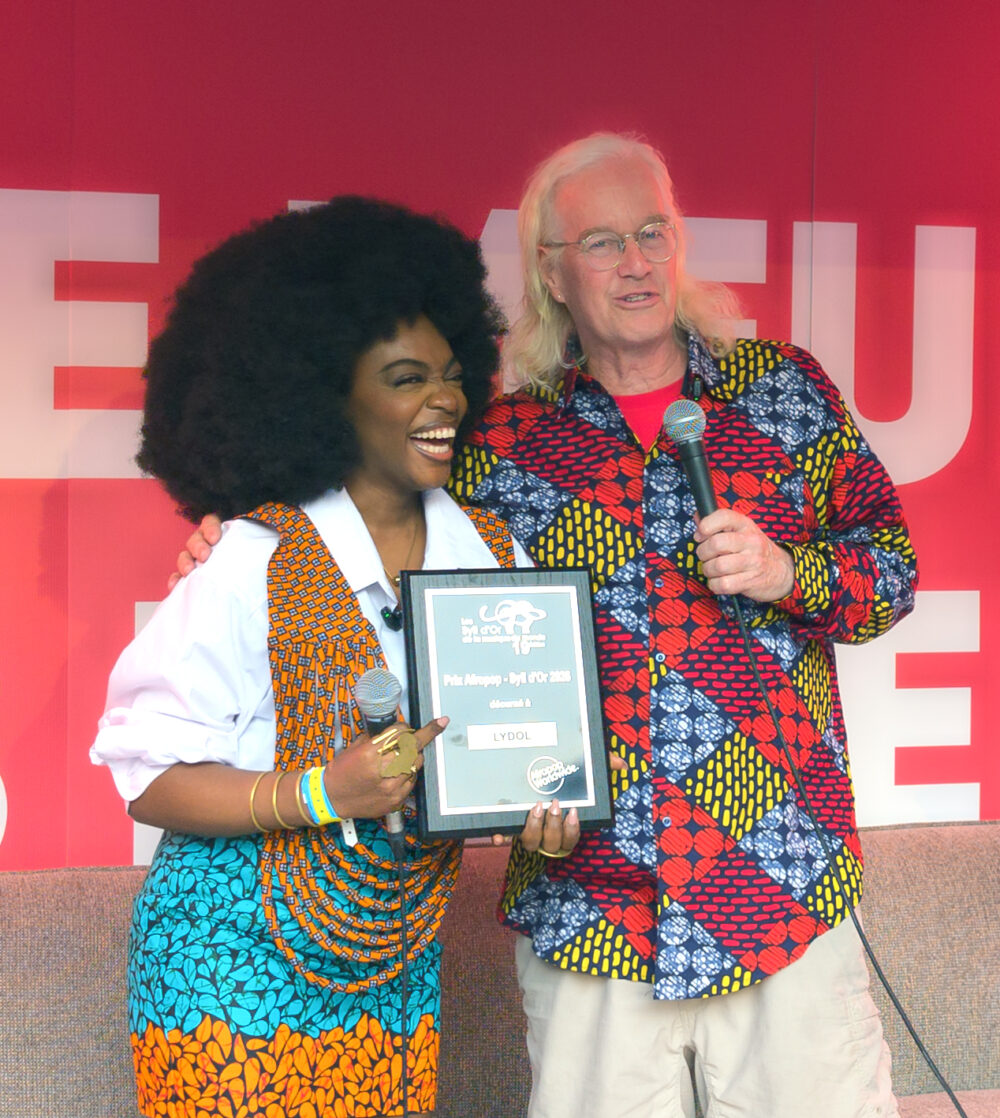
“We're very proud that the market has grown with us and with them,” says Rousseau. “And then we have the new generation artists, like Boubé and Lydol [both winners of the Afropop Syli D’Or prize] that we discovered through Syli D’Or. That's really an incubator of new talent.” Syli D’Or is the winter battle of the bands at Montreal’s Club Balattou. Over many cold February and March nights, audiences choose nine finalists, from which the ultimate prizes are awarded.
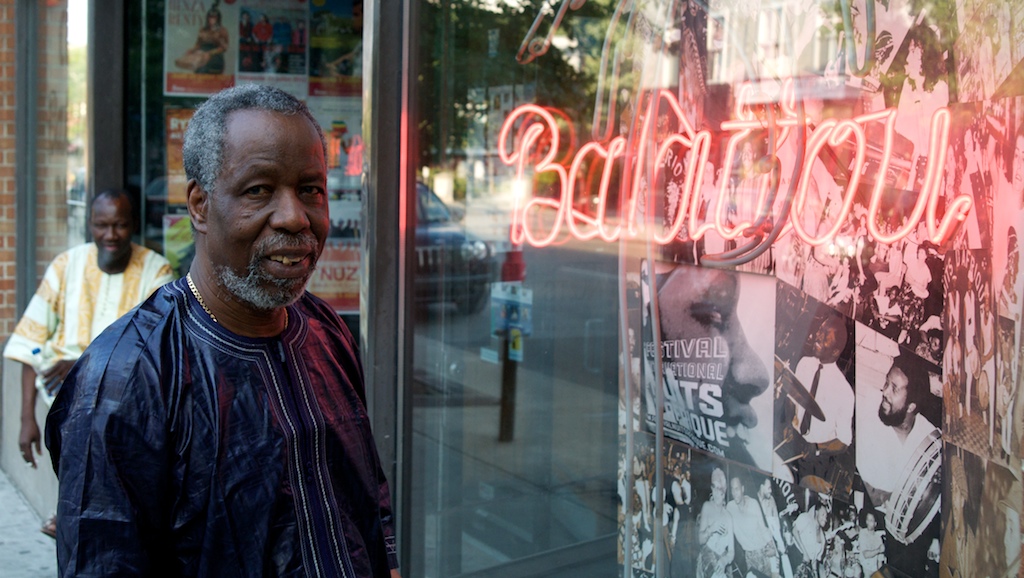
Rousseau says, “When I go back in my archives and see where everything started at Club Balatttou, in ‘89 we had Baaba Maal, Papa Wemba in 1990, Ismaël Lô in ‘91. People didn't know these artists. We were showing people top quality music from Africa. Montrealers have a high standard of quality for this music, because we started with really, really good artists. I'm proud of that, and the vision of Mr. Touré also to make sure that we travel and represent as many cultures from Africa, the Caribbean and Latin America as possible.”
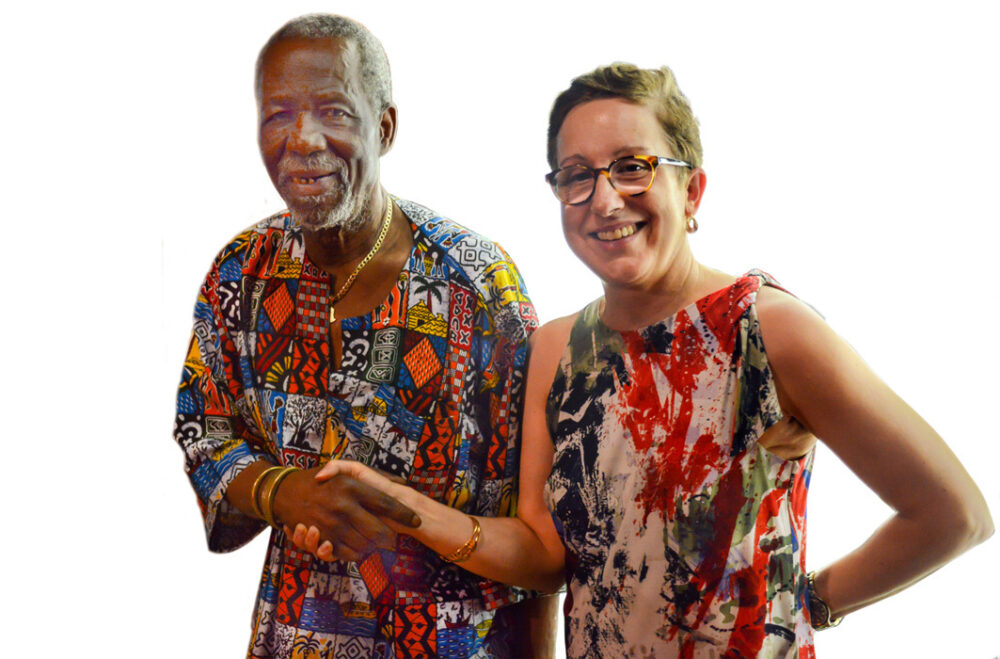
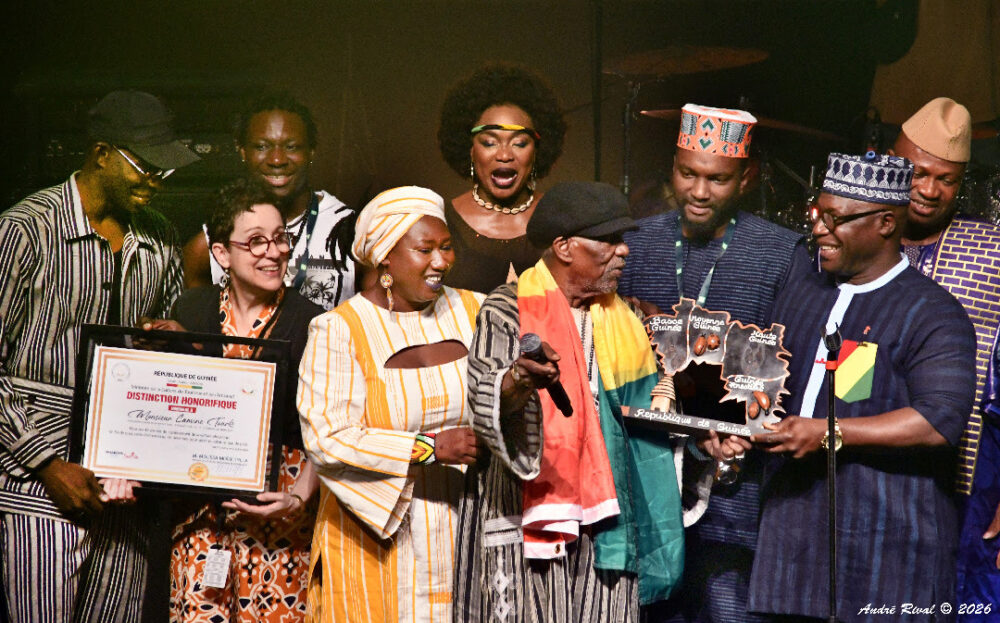
Mr. Touré is, of course, Lamine Touré, co-founder of the festival, originally from Guinea. It all started when he opened a restaurant/club called Café Créole in 1983. “I did Café Créole for two years, then I stopped,” Touré told me. “But it's the audience that came looking for me to open again. That's how I opened Balattou. It was thanks to the audience. It's not me, it's the audience. After Café Créole, when I started Balattou, that's when I saw that it was good. But something was missing. What's missing? There was no one to take over. Because children can't go to Balattou. That's why I thought of doing it outside.” Nuits D’Afrique was born the very next year.
The festival could have limited itself to the African continent, but just as Afropop became Afropop Worldwide in 1990 to include diaspora artists, Nuits D’Afrique has always taken a broad view of Africanness. “We don't want to create a ghetto,” says Touré. “We want to create an international atmosphere, because music knows no borders. Music connects all kinds of people, all ethnicities. As soon as there's music, everyone will get along.”
As one can imagine, it was a challenge to find the funding and support to start this festival, let alone maintain and grow it for 40 years. “You have to be passionate,” says Touré. “You have to love everything you go into. If you only look at the money, you'll never get anywhere.”
Four decades later, the festival has succeeded in bringing several different generations of artists onto its stage. But the milestone raises another question: Who will carry the festival forward beyond the founders?
“That's a good question,” says Rousseau, “because we're not getting younger. I thank God we still have our health and energy, but I start thinking about that a lot. Who would be the person to make sure they keep the mission going the day we won't be there?” Rousseau knows this won’t be easy. “The founders who are still there understand the importance of certain details that keep the mission going, the sacrifices and the mistakes you must not make. That's years of experience. You have to really believe in what you're doing. We went through so many different eras and we always had to be inventive and creative.”
As for Touré, he takes a more fatalistic view of succession. “That's important,” he says. “But for me, it's not important. Why? Because I work. I believe strongly in nature. Nature will take care of that, not me.”
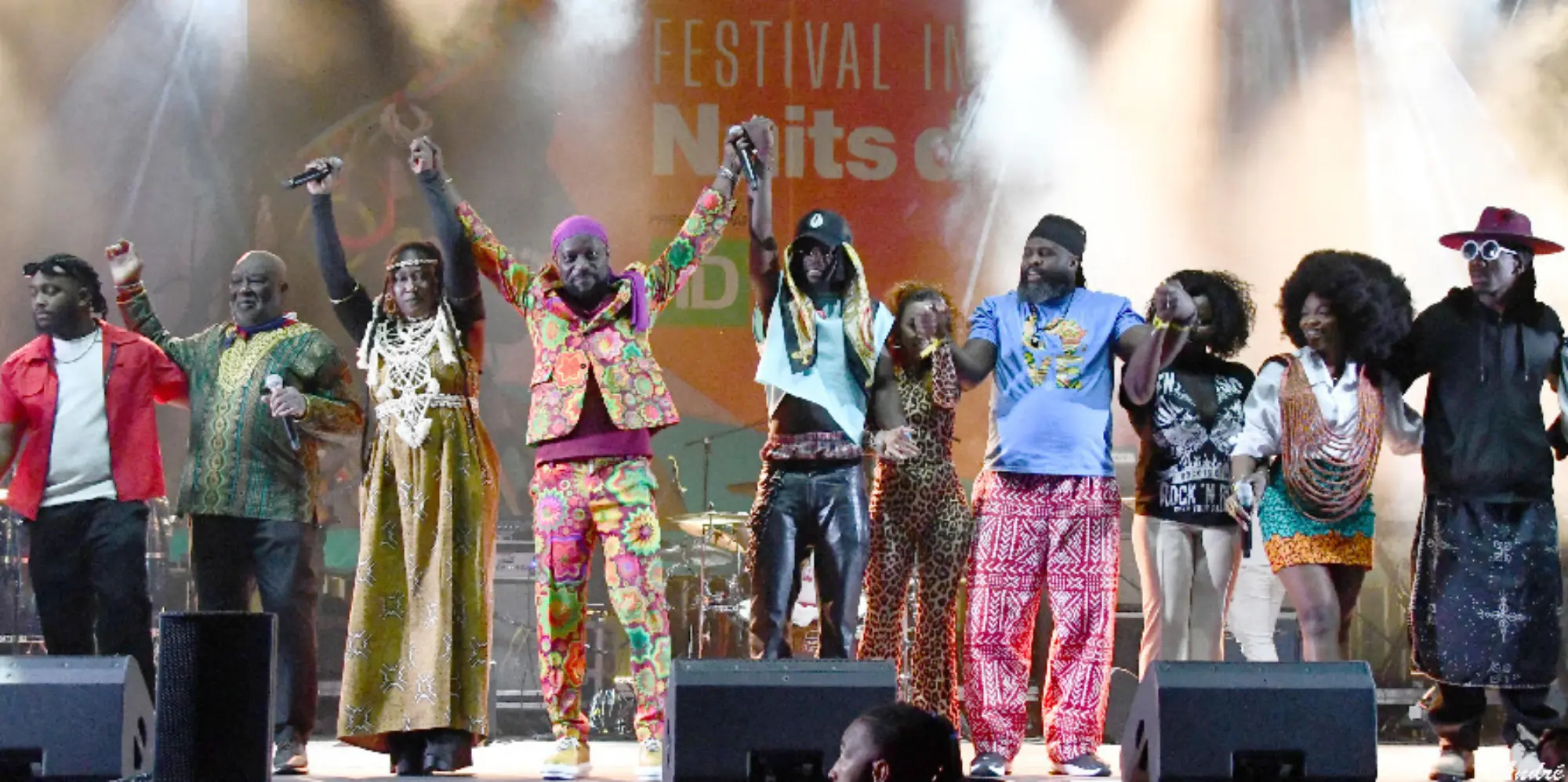
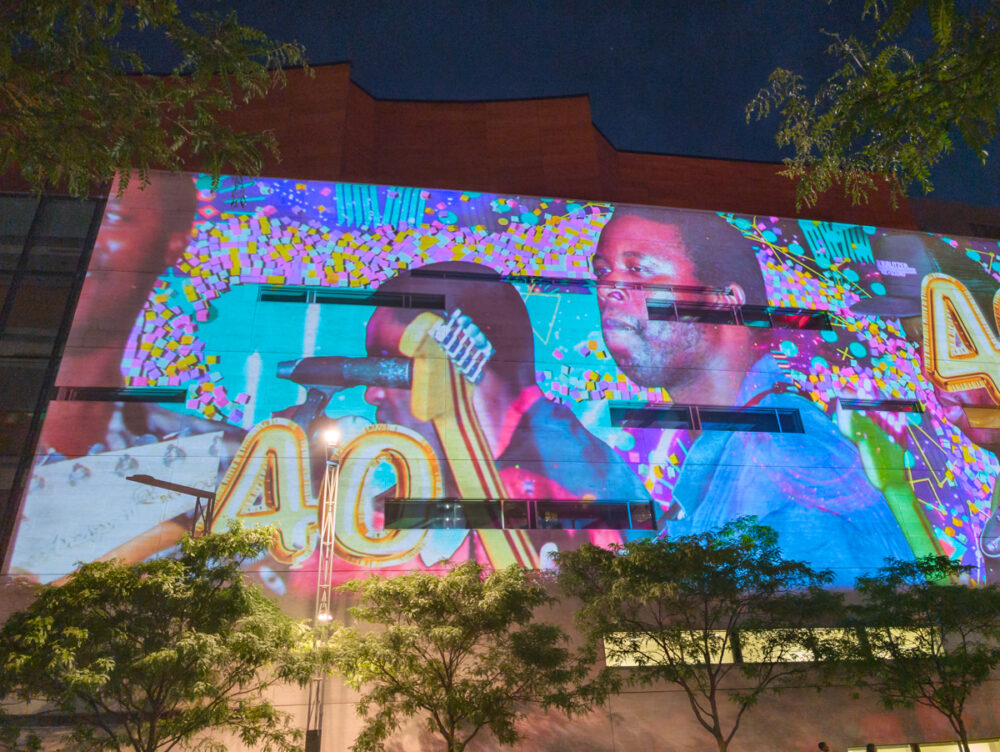
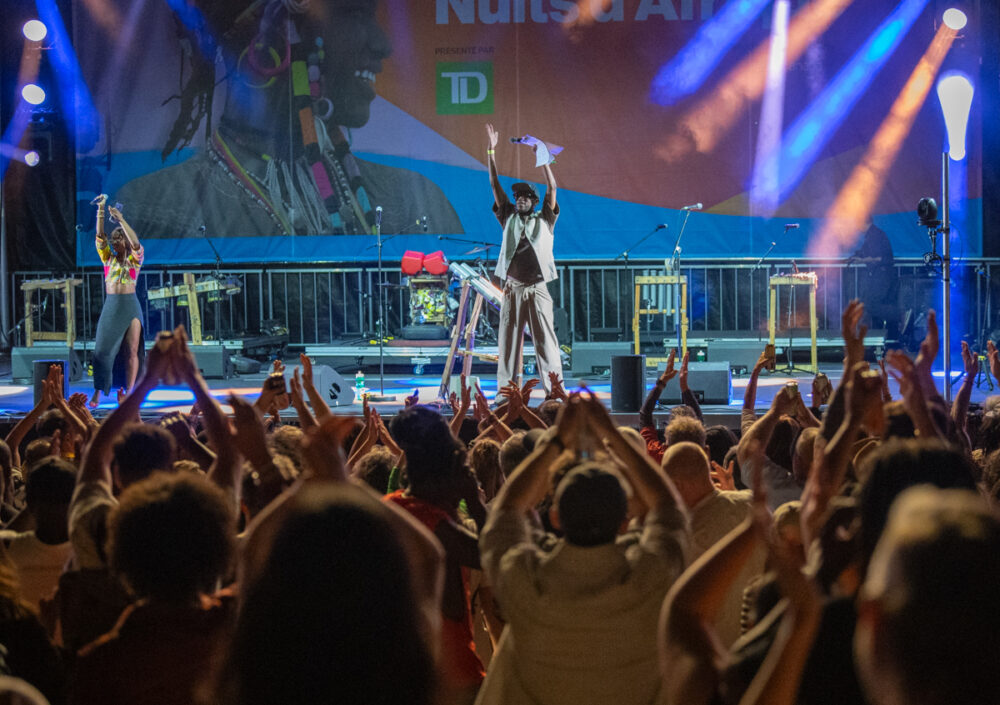
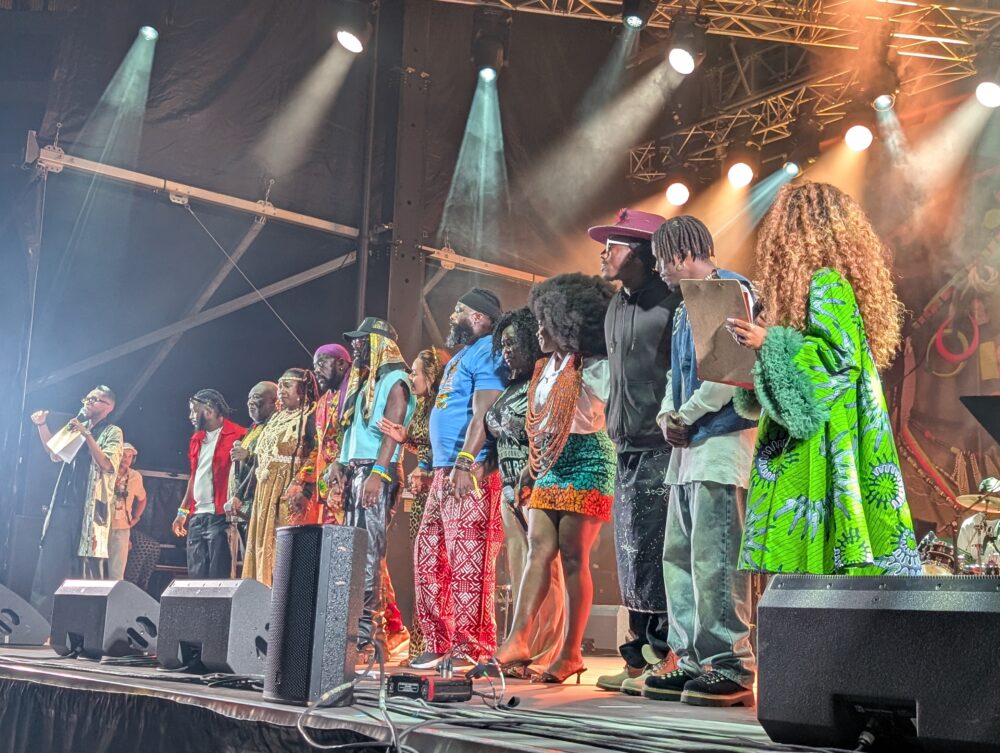
If its founders differ on how much to worry about the festival’s future, the performances across its 40th edition offered an answer of their own: the musical communities that Nuits D’Afrique has helped build are carrying its legacy in multiple directions. Every night before the final act, the audience was treated the new festival anthem, “Unis par les nuits,” recorded with a number of veteran festival musicians. As the song played each night, a remarkable montage video was projected on a building next to the festival site, and on the closing night, several performed the song live.
Watch this space for in-depth interviews we conducted this year with Sahra Halgan, Joyce N’Sana, Diblo Dibala, Lorraine Klassen and Fulu Miziki. We posted impressions of the first three nights of our Montreal visit. Here are some highlights from the final nights.
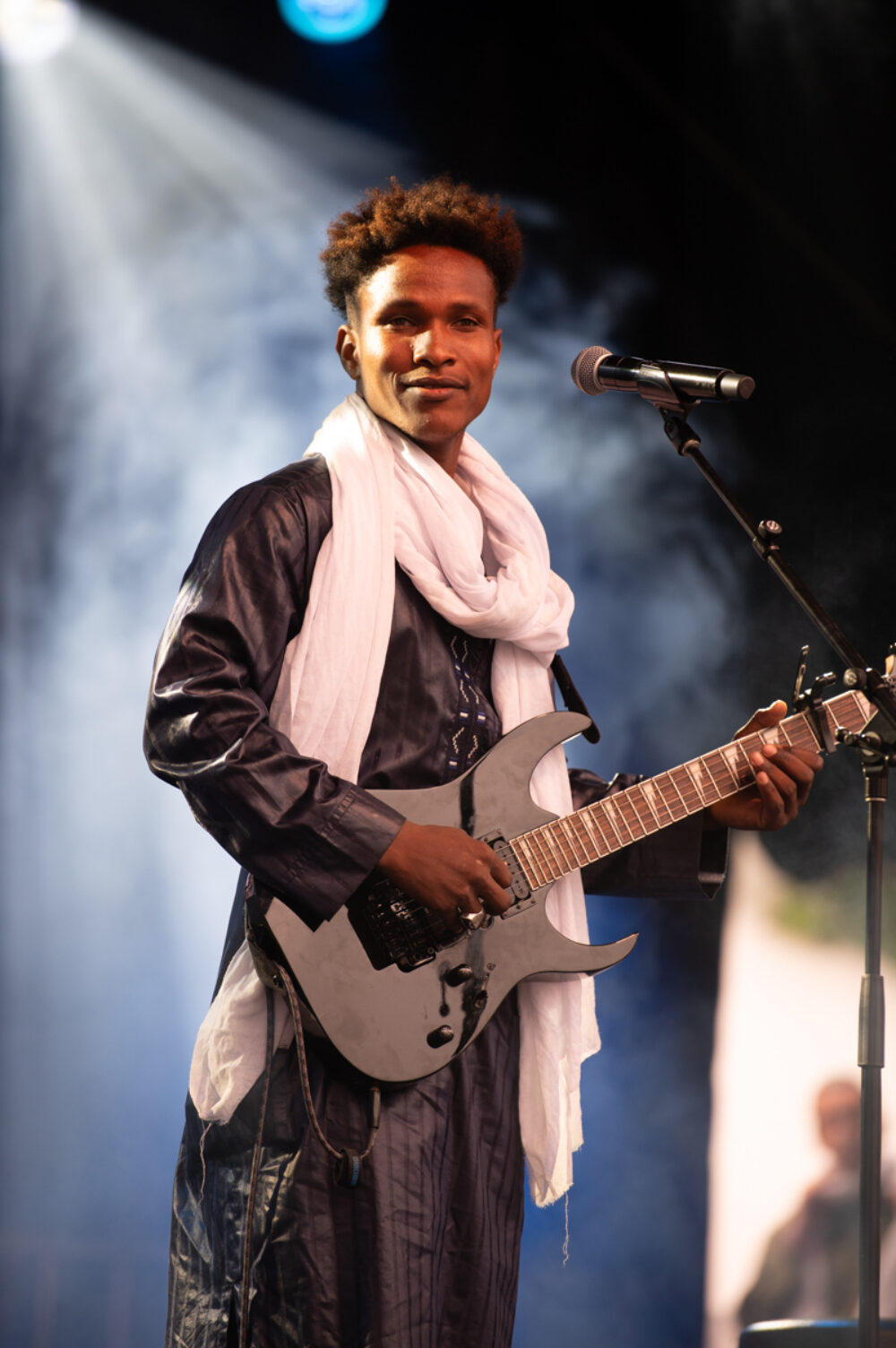
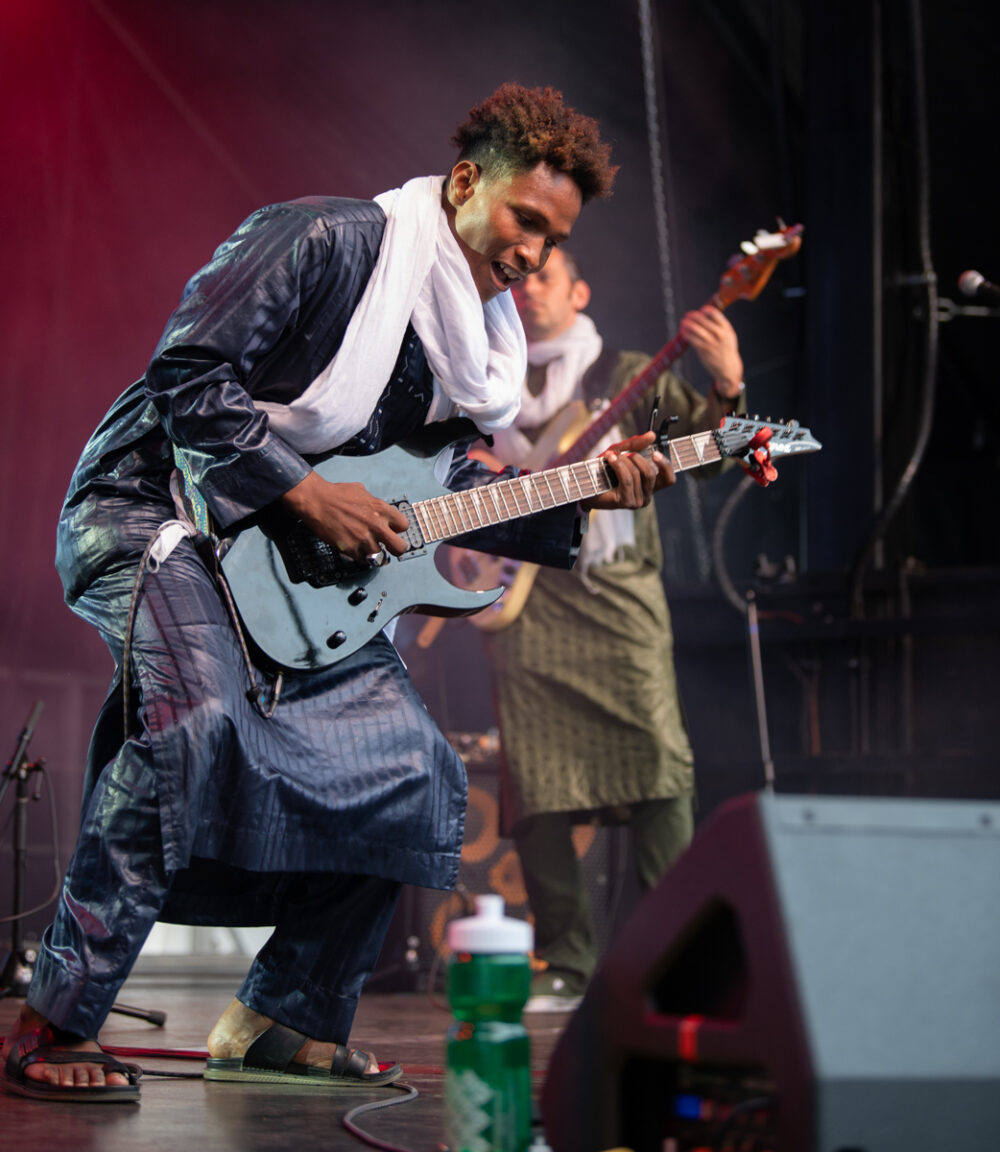
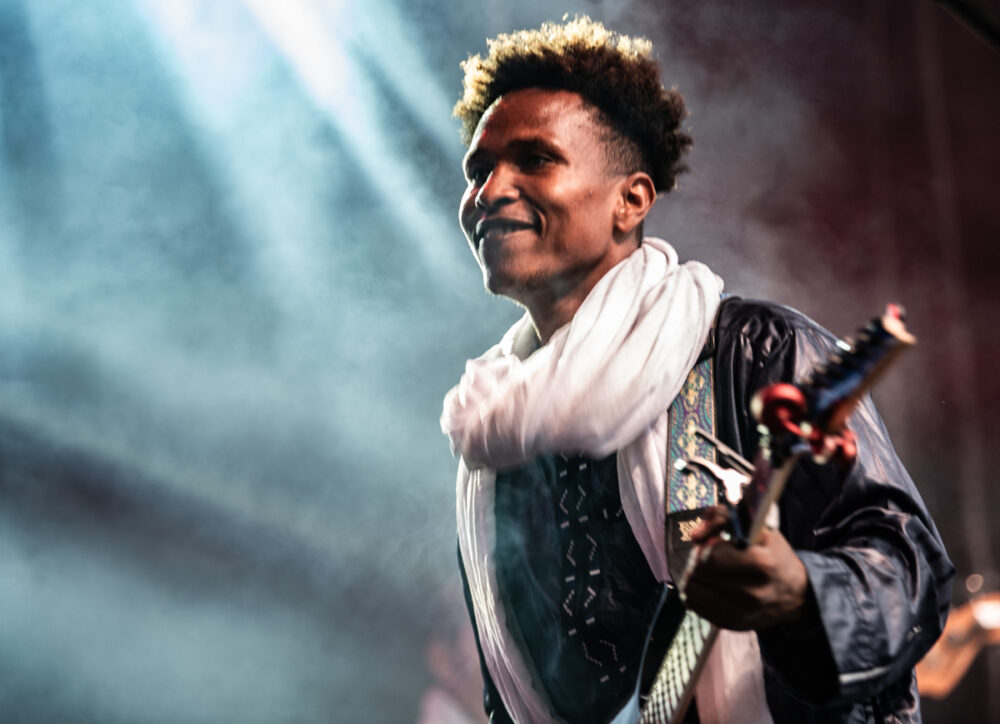
The first time we met Boubé, a singer, songwriter and guitarist from Niger, he was busking on the street outside the festival. The following year, he participated in Syli D’Or and won the Afropop Prize. Now, two years after that, he delivered a powerful afternoon set, interrupted just near the end by a massive downpour. But before the deluge, he and his band moved from introspective balladry to full-on desert rock. With guitar virtuosity, songwriting and searing vocals, Boubé ranks right up there with the top Tuareg rock acts: Bombino, Terakaft and even Tinariwen.
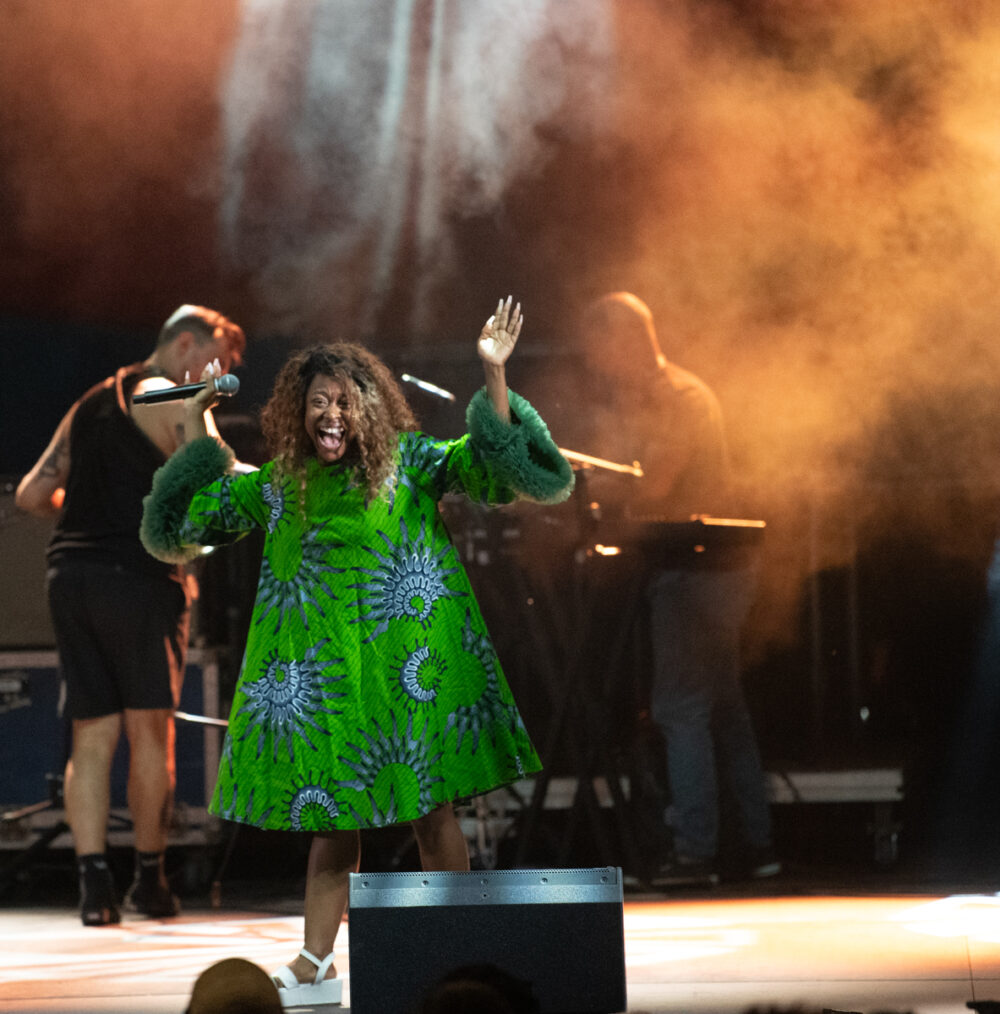
Montreal-based Congolese singer/songwriter/bandleader Joyce N’Sana was a discovery for us. Her show ranged from Congolese boogie to reggae, Afrobeat, Afro-R&B and more. The musicianship was superb, and the show featured two extraordinary dancers: Byga from Cameron and Karim from Senegal. The three Congolese acts we saw—N’Sana, Fulu Miziki and Diblo Dibala—could not be more different, a testimony to the musical powerhouse that is the Democratic Republic of the Congo.
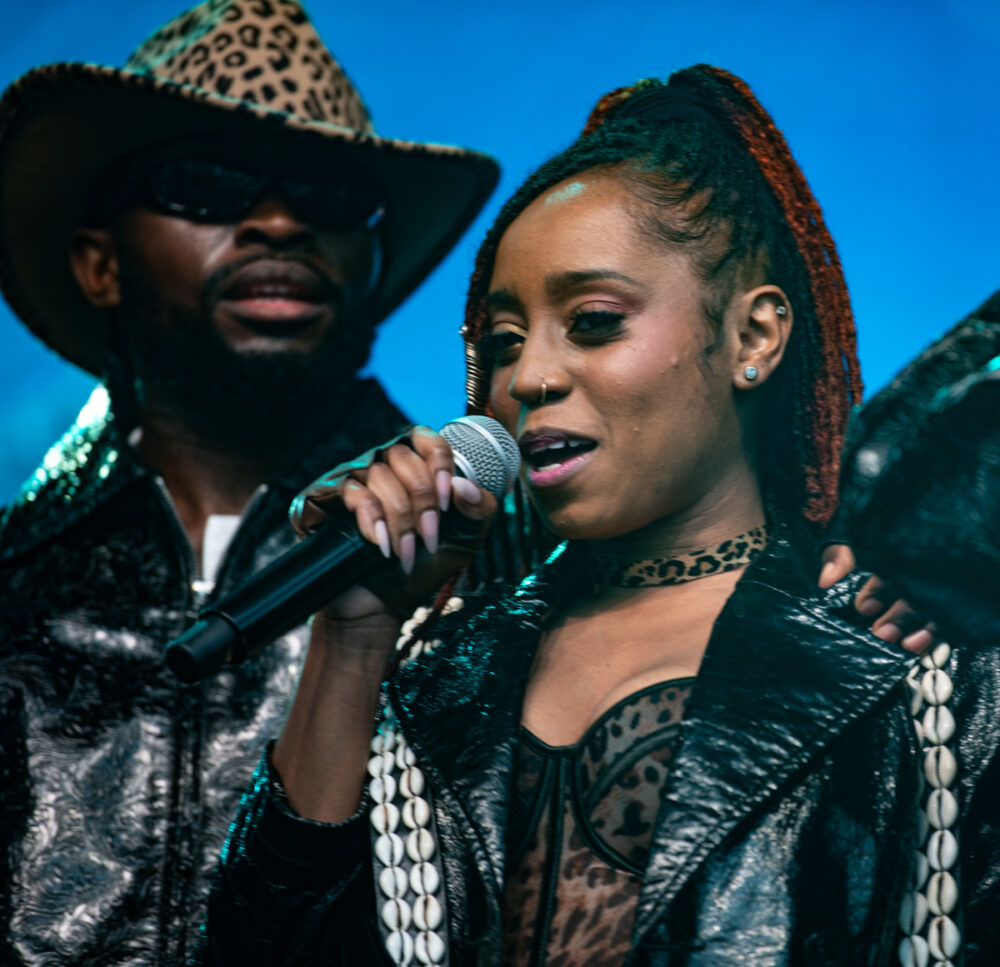
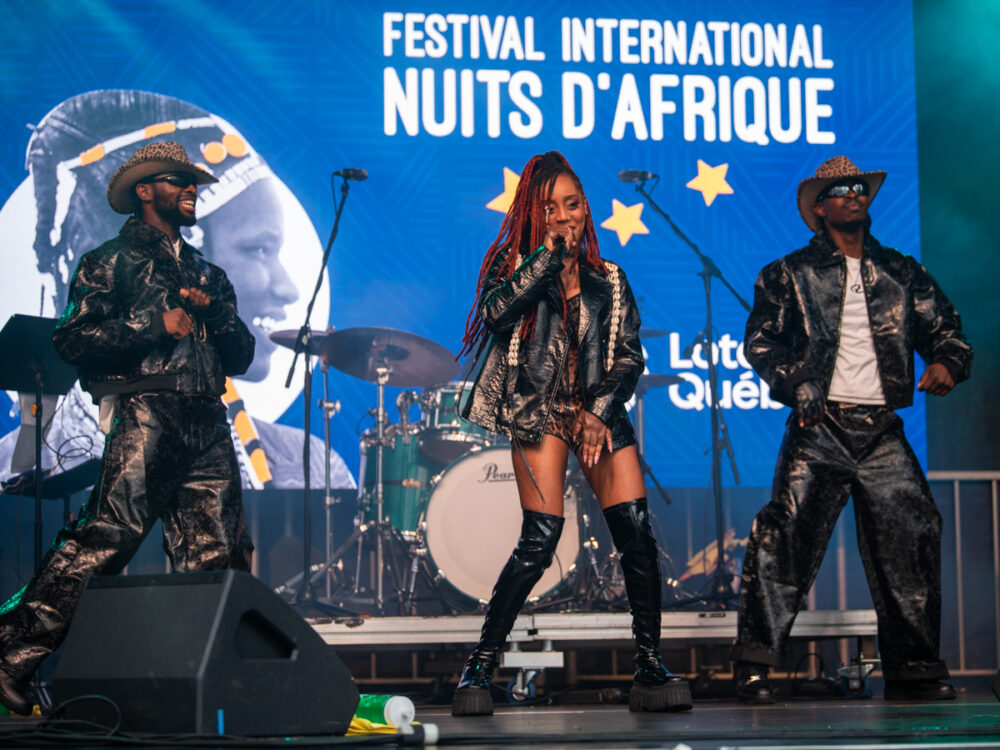

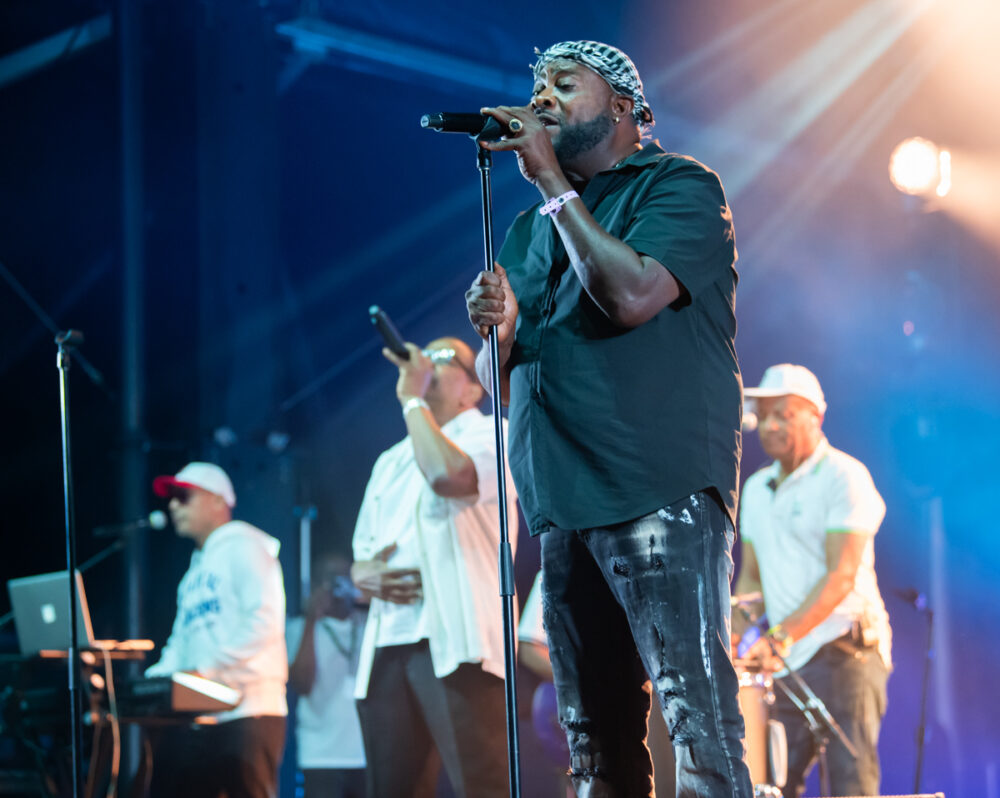
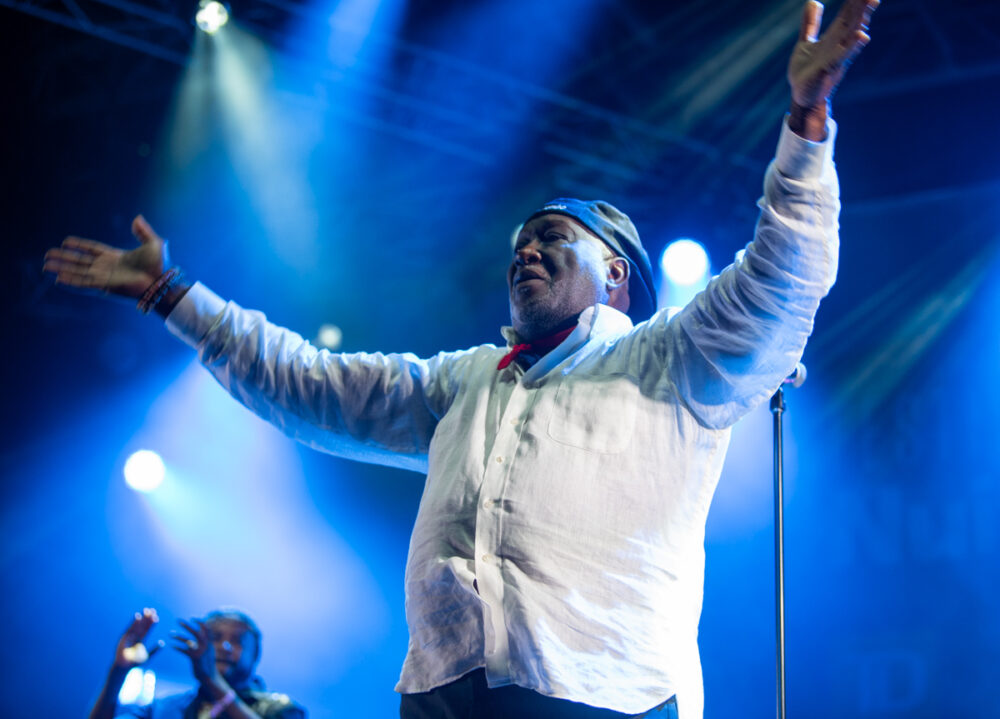
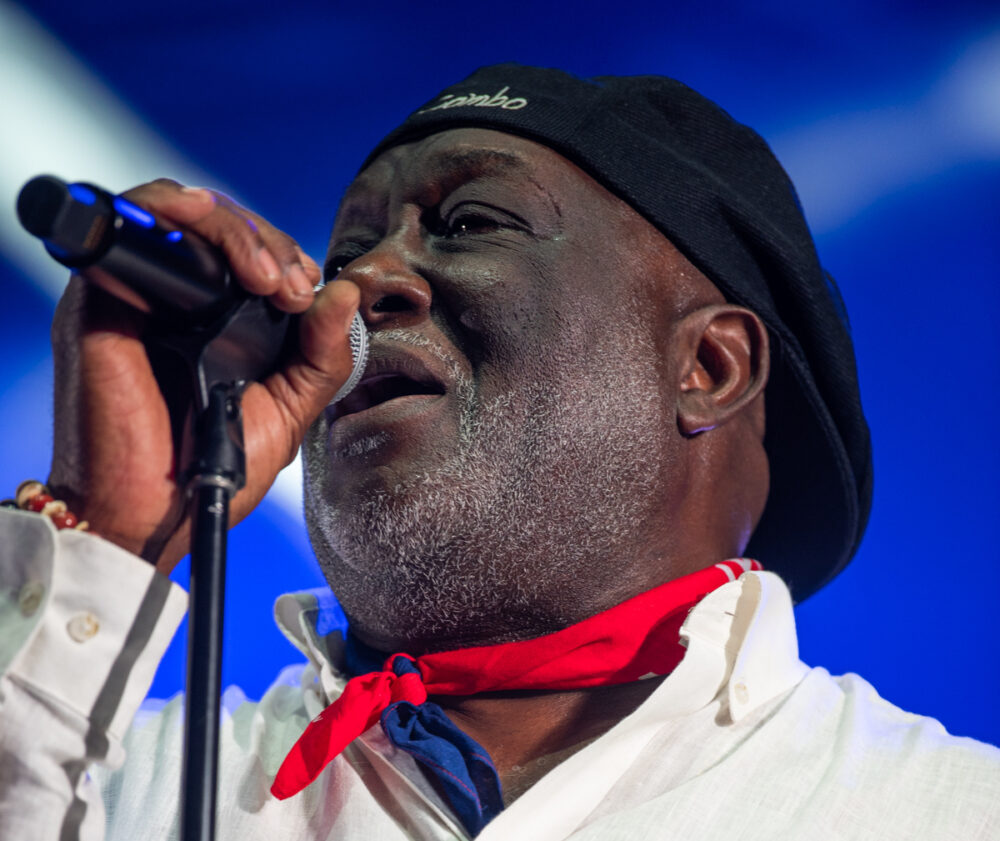
If Rousseau described Nuits D’Afrique as somewhat of an incubator, these Montreal-based performers made the point more vividly than any slogan could. On the other side, the veteran performers reminded of the musical history that Nuits D’Afrique has helped build. The closing act on July 18 was Tabou Combo, one of the longest surviving Haitian konpa bands. Their set included some slightly dated touches, like a konpa cover of “We Are the World.” But the strength of this band is undeniable, and Montreal’s Haitian community turned out in force and sang along.
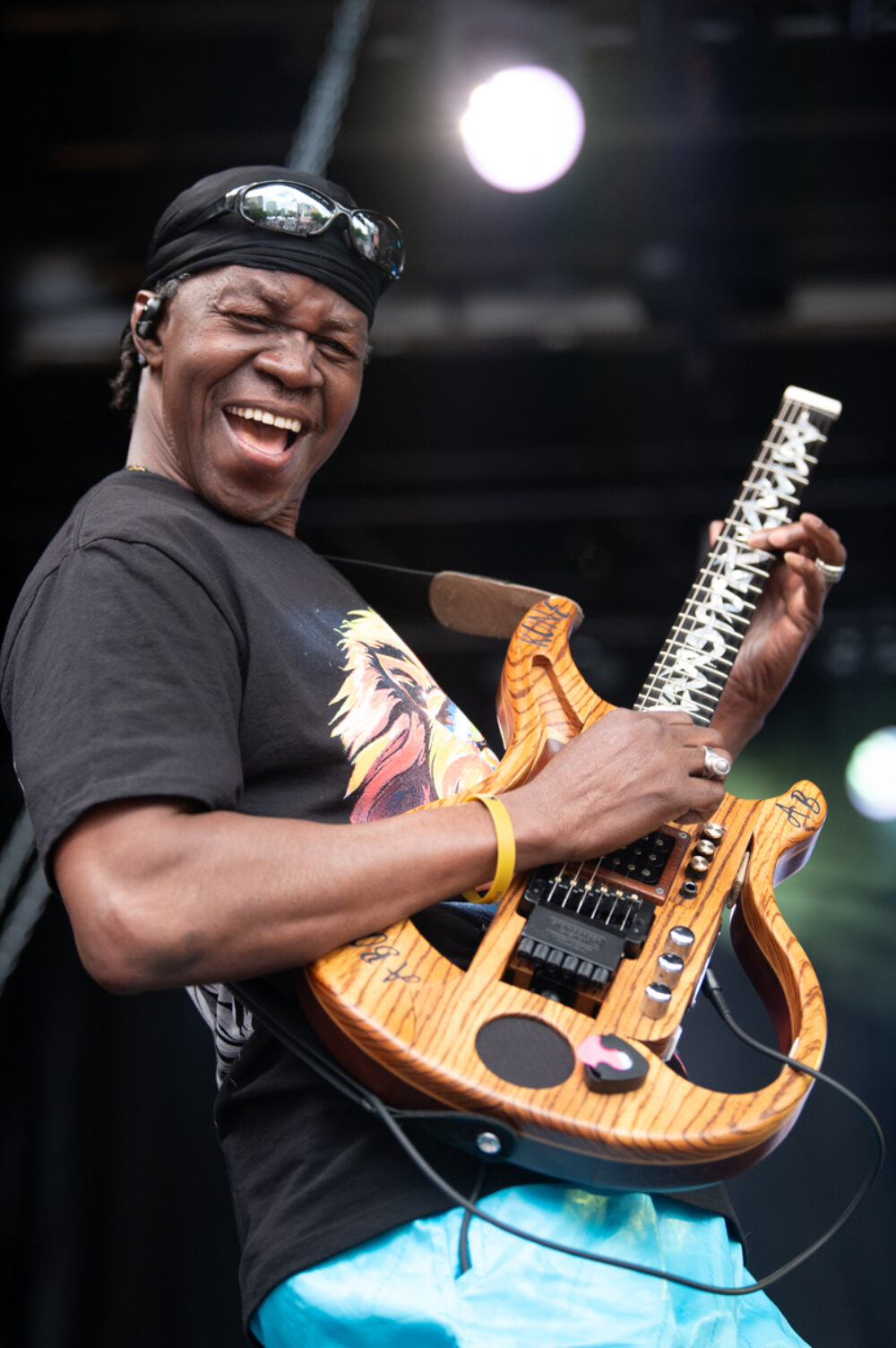
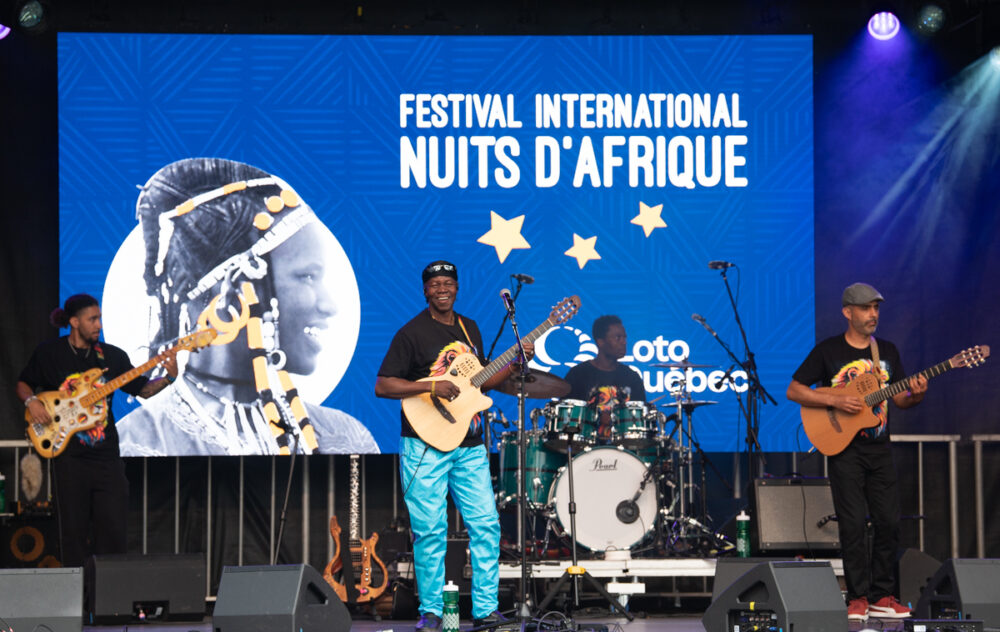
The last day of the festival started with Mande electric guitar music worthy of the Rail Band of Bamako. Aboulaye Koné is a ripping guitarist and an excellent singer. His small combo was all over this demanding style, particularly the lightning-quick phrasing and interlock between the two guitarists. The set began with a flashy take on the bedrock song of the Mande repertoire, “Sunjata,” honoring the first king of the 13th-century Mali Empire, Sunjata Keita.
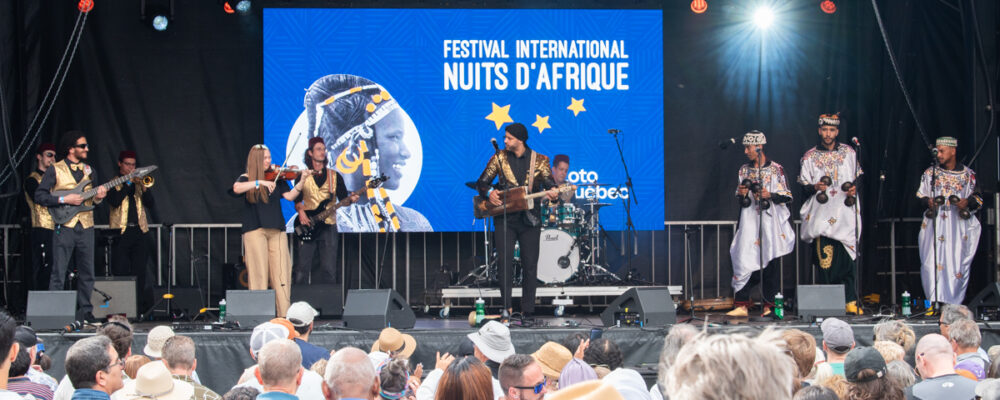
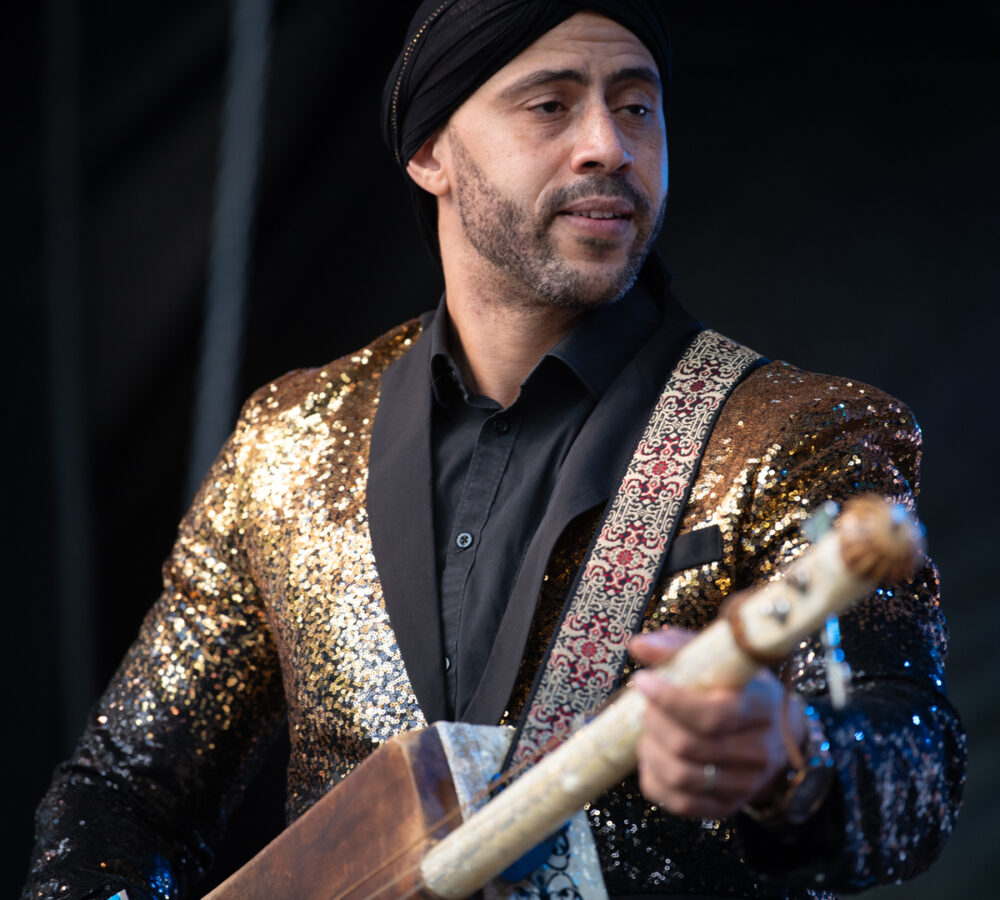
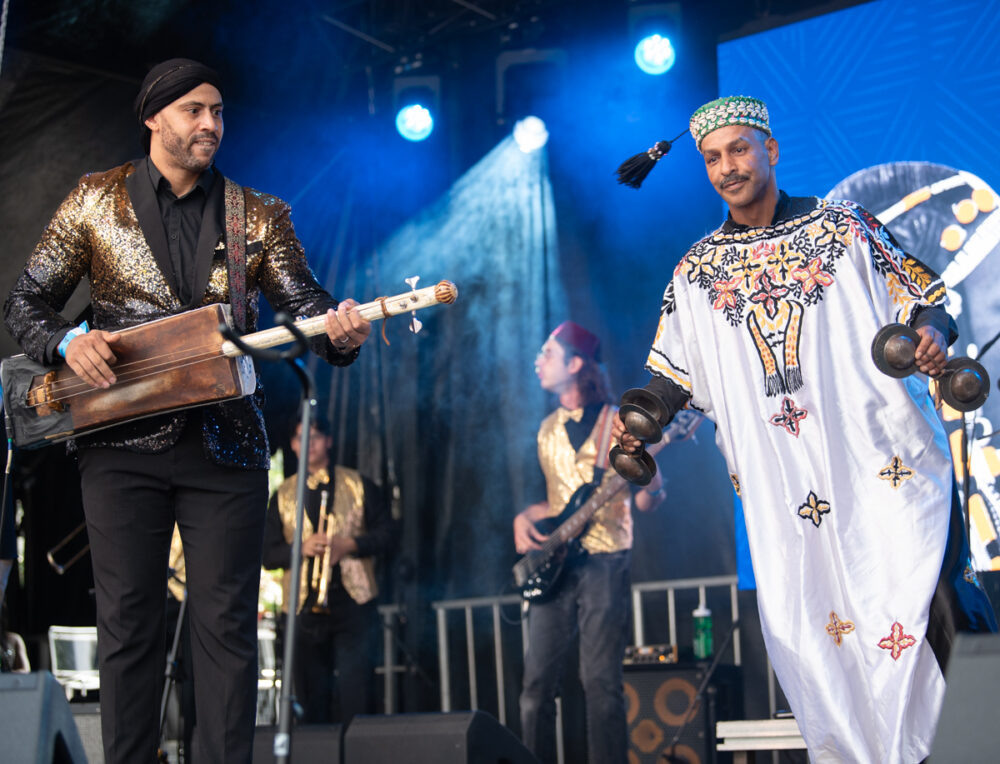
Earlier in the festival, we heard traditional Moroccan Gnawa music from Salamate Gnawa. This day, Sandya Fusion gave us just that, fusion! There was rock, blues, pop and more in their mix, all colored with the unmistakable pulse of Gnawa, driven by the deep thrum of the leader’s guembri bass lute. Once again, the band’s polish was impressive. The incubator effect Rousseau spoke of was vividly on display from all the Montreal-based acts.
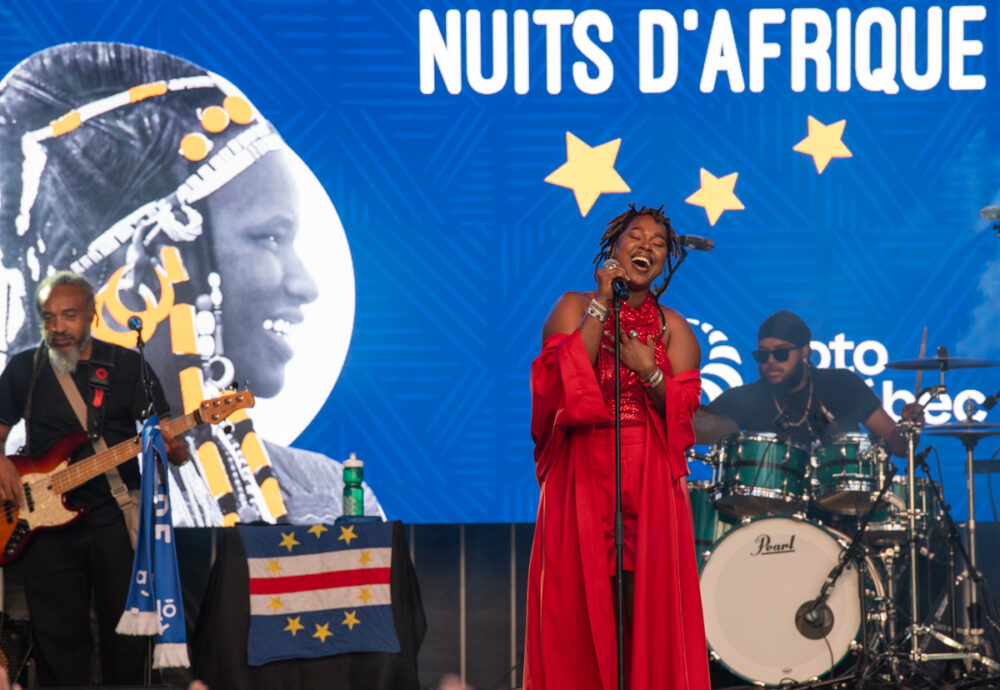
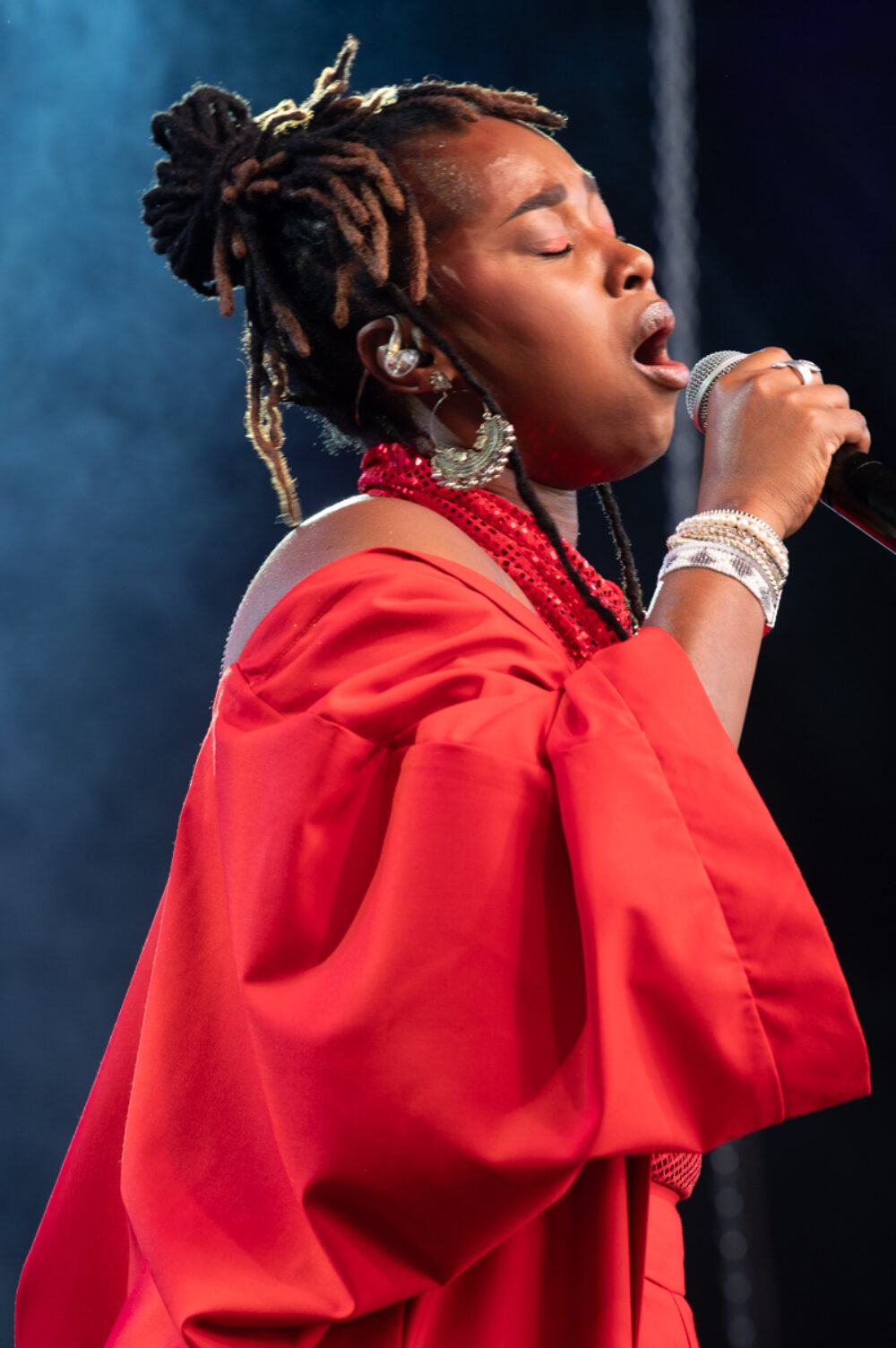
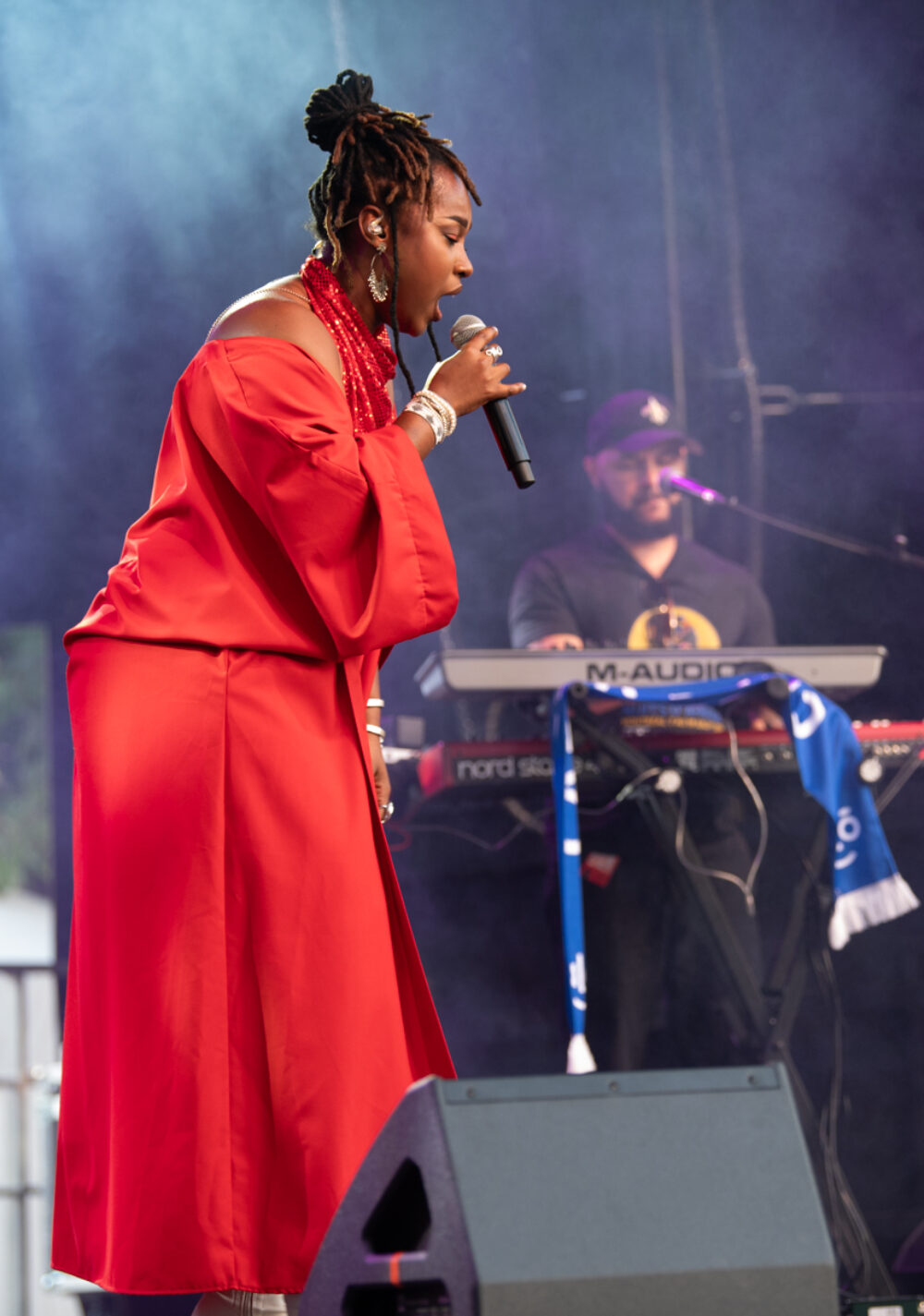
Cape Verde’s Elida Almeida never fails to amaze. Her liquid voice and emotional presentation are supported by a beautifully seasoned band. From elegant mornas to dance-happy coladeiras and so much more, Almeida leads a cadre of young Cape Verdean female singers following in the footsteps of Cesária Èvora. In fact, Almeida composes songs for many of them. By the end of her set, the entire audience was literally jumping for joy.
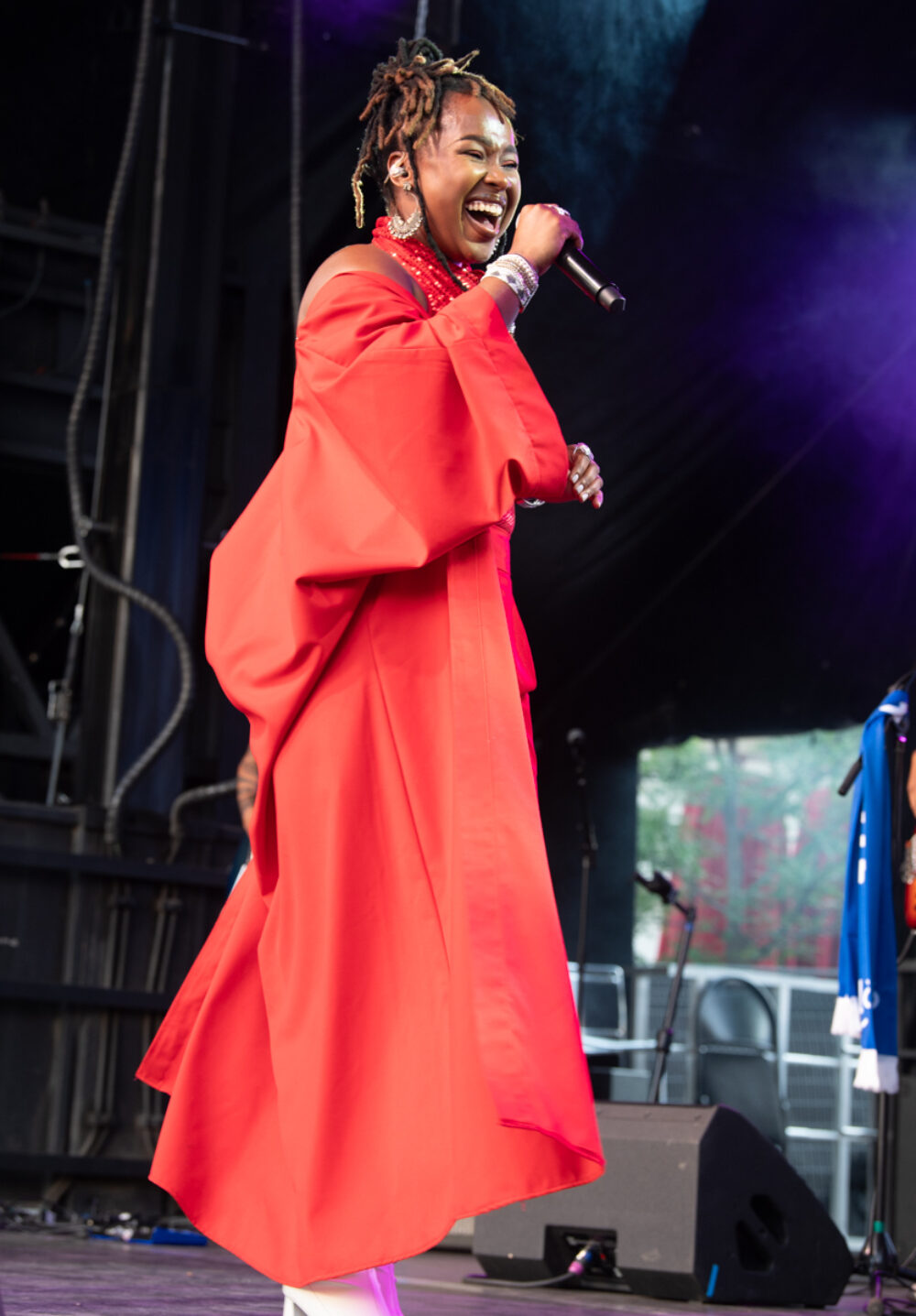
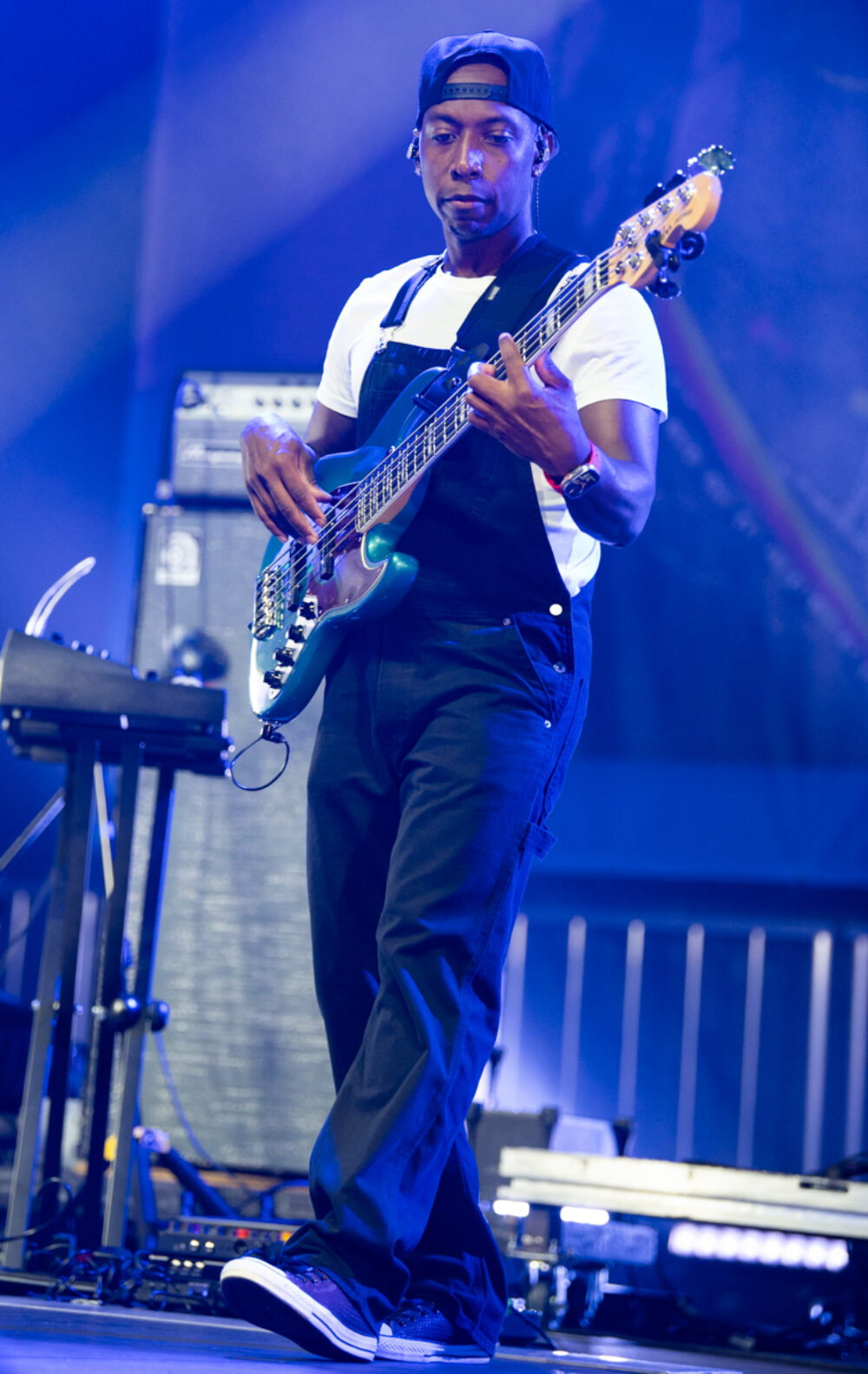
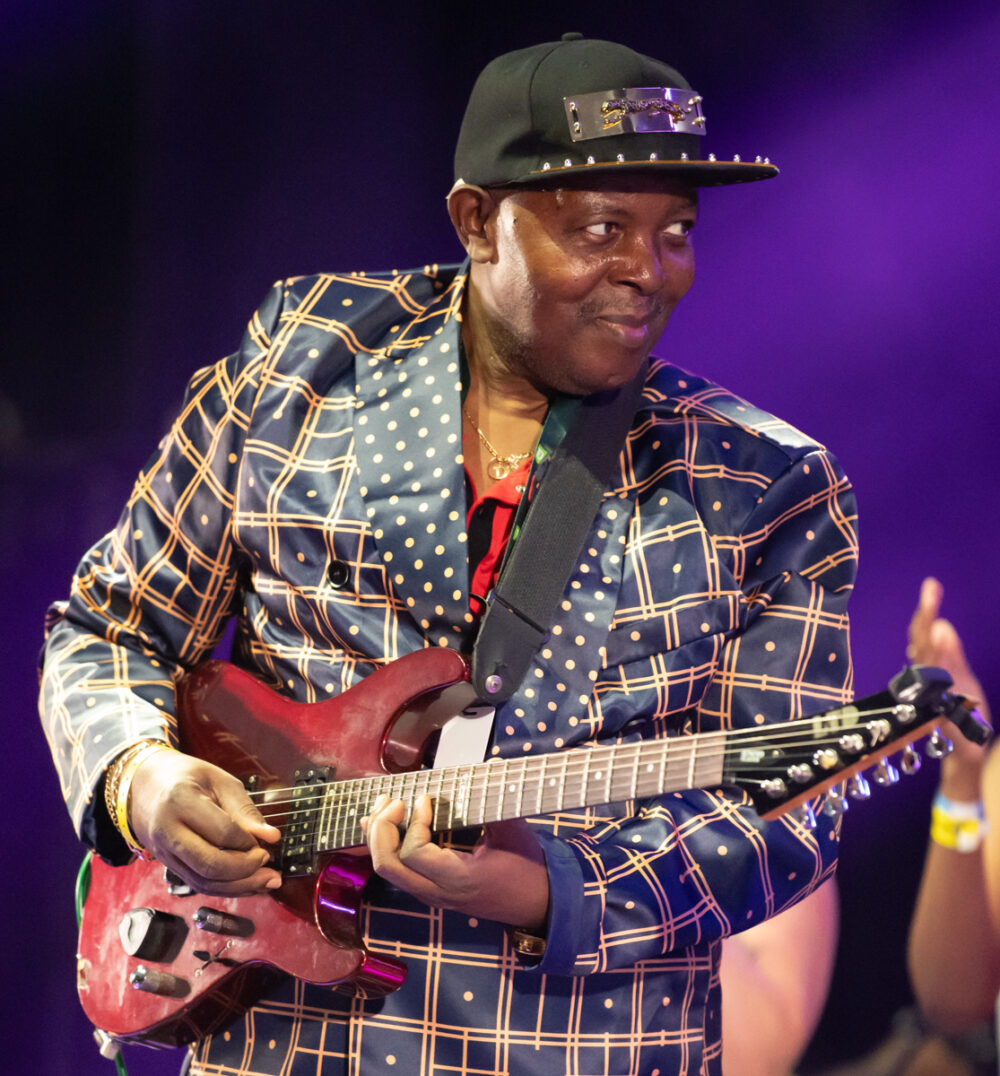
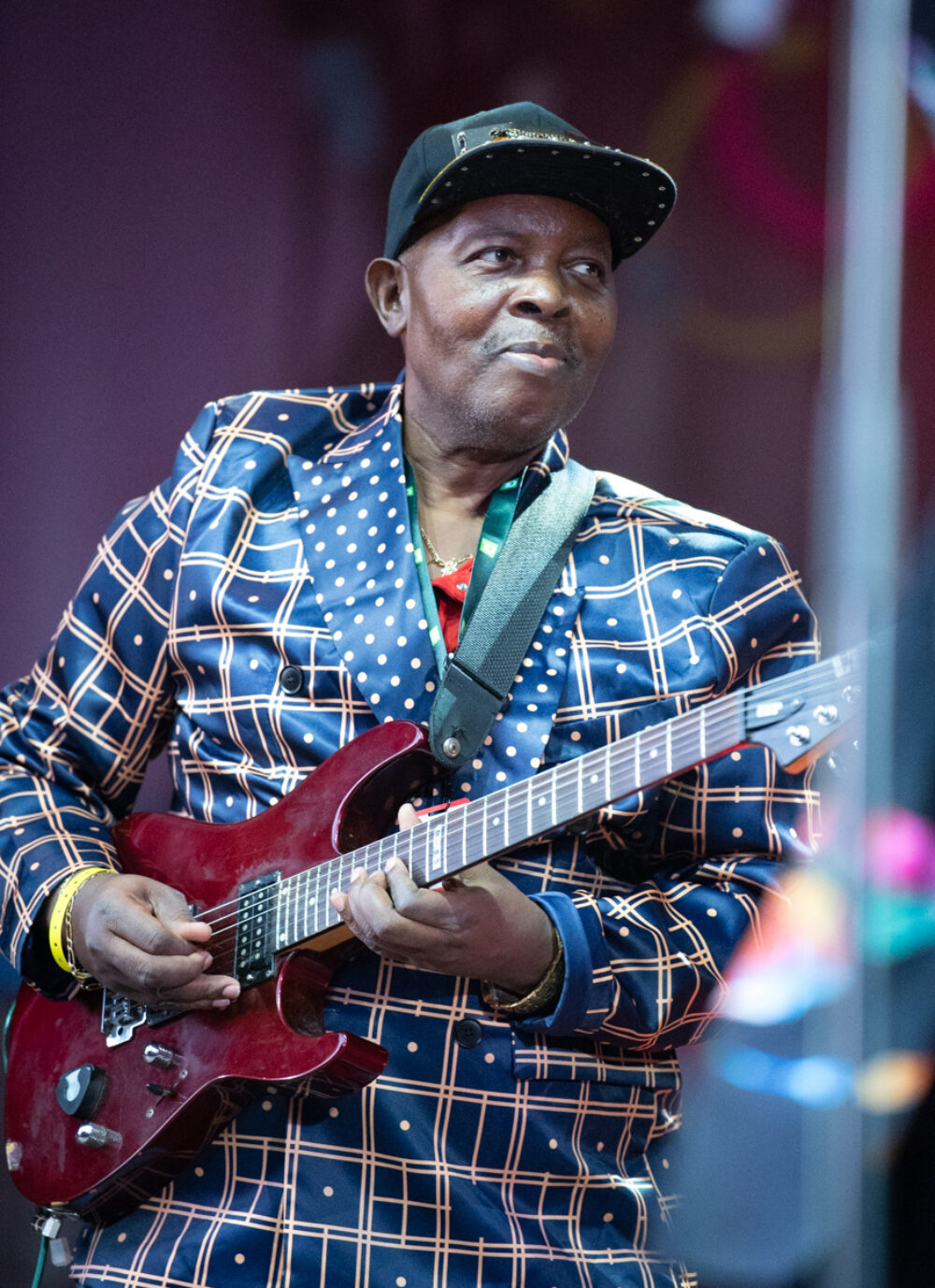
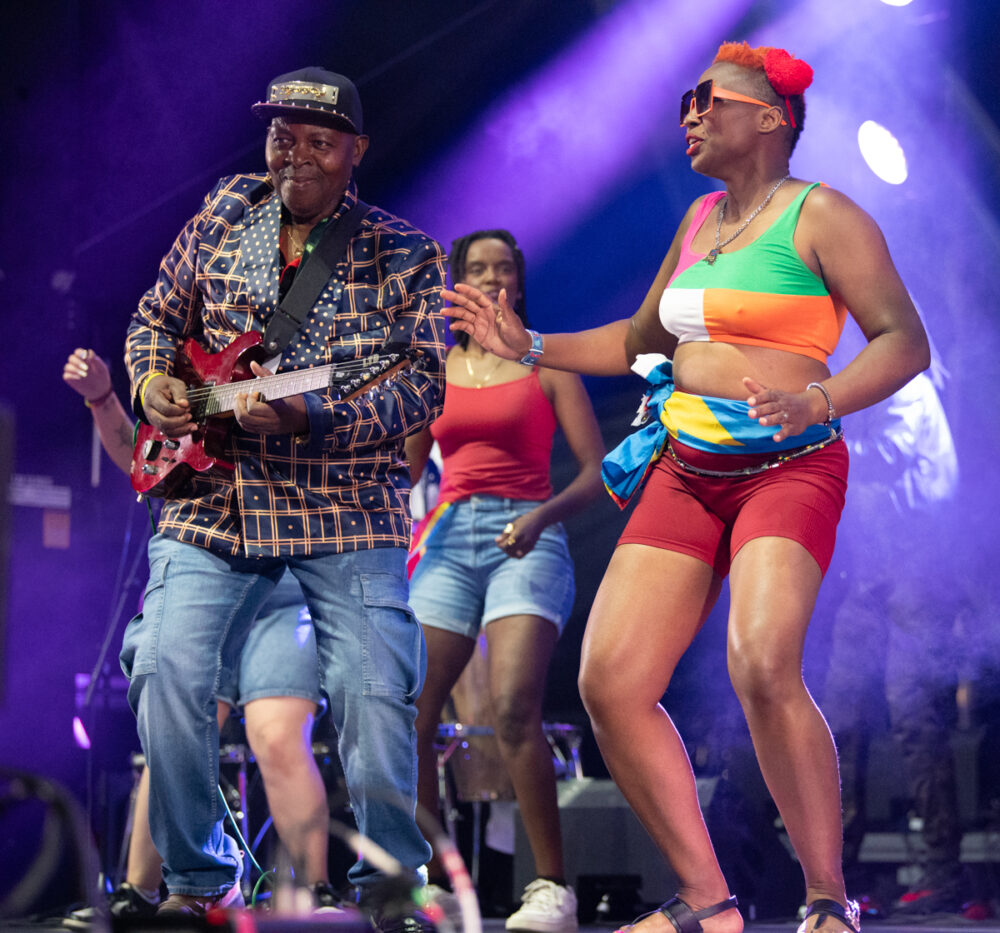
In the 1980s and ‘90s, Diblo Dibala was the king of soukous guitar. His bands—Loketo, with the late Aurlus Mabele, and the current Matchacha—traveled the world with the infectious Congolese sound. All that was present in his set at Nuits D’Afrique, along with a look back at the band that brought him to fame in Kinshasa in the first place, L'Orchestre Bella Bella. Diblo is still a monster guitar player, loyal to the classic soukous sound, and, though more a guitarist than a singer, he can be surprisingly nuanced and sensitive when he chooses to take the microphone. And like any great soukous act, the set wound up with lots of hip-swiveling dancing.
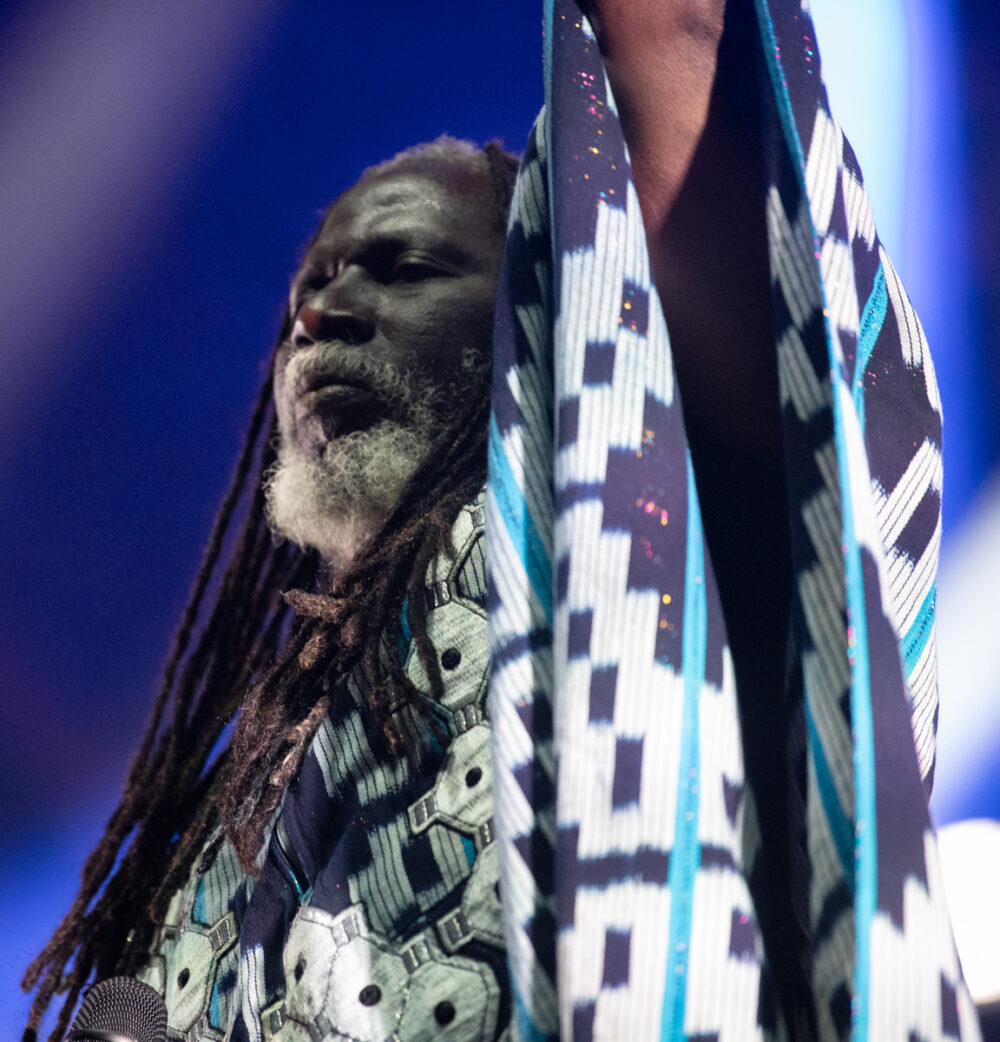
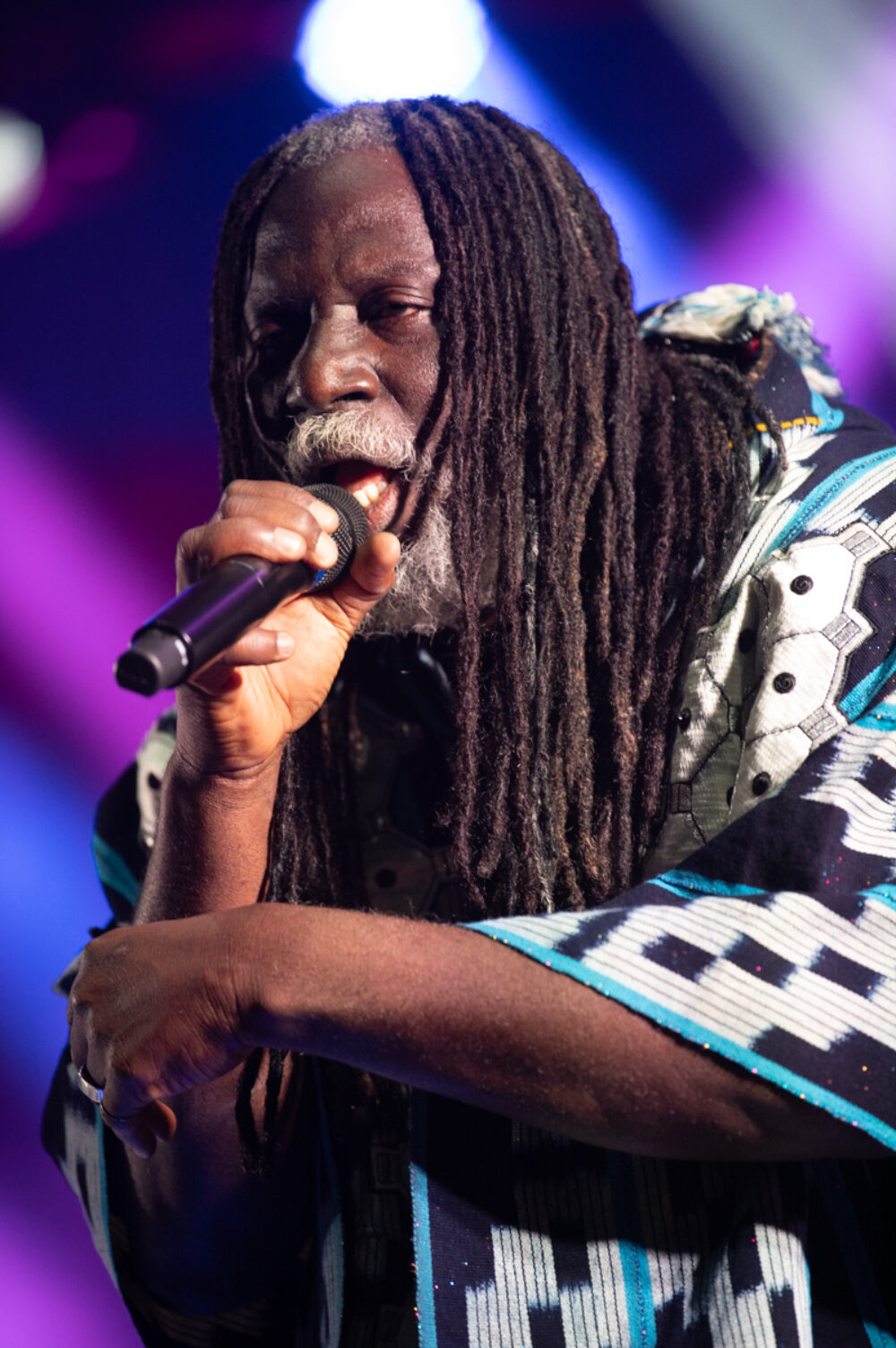
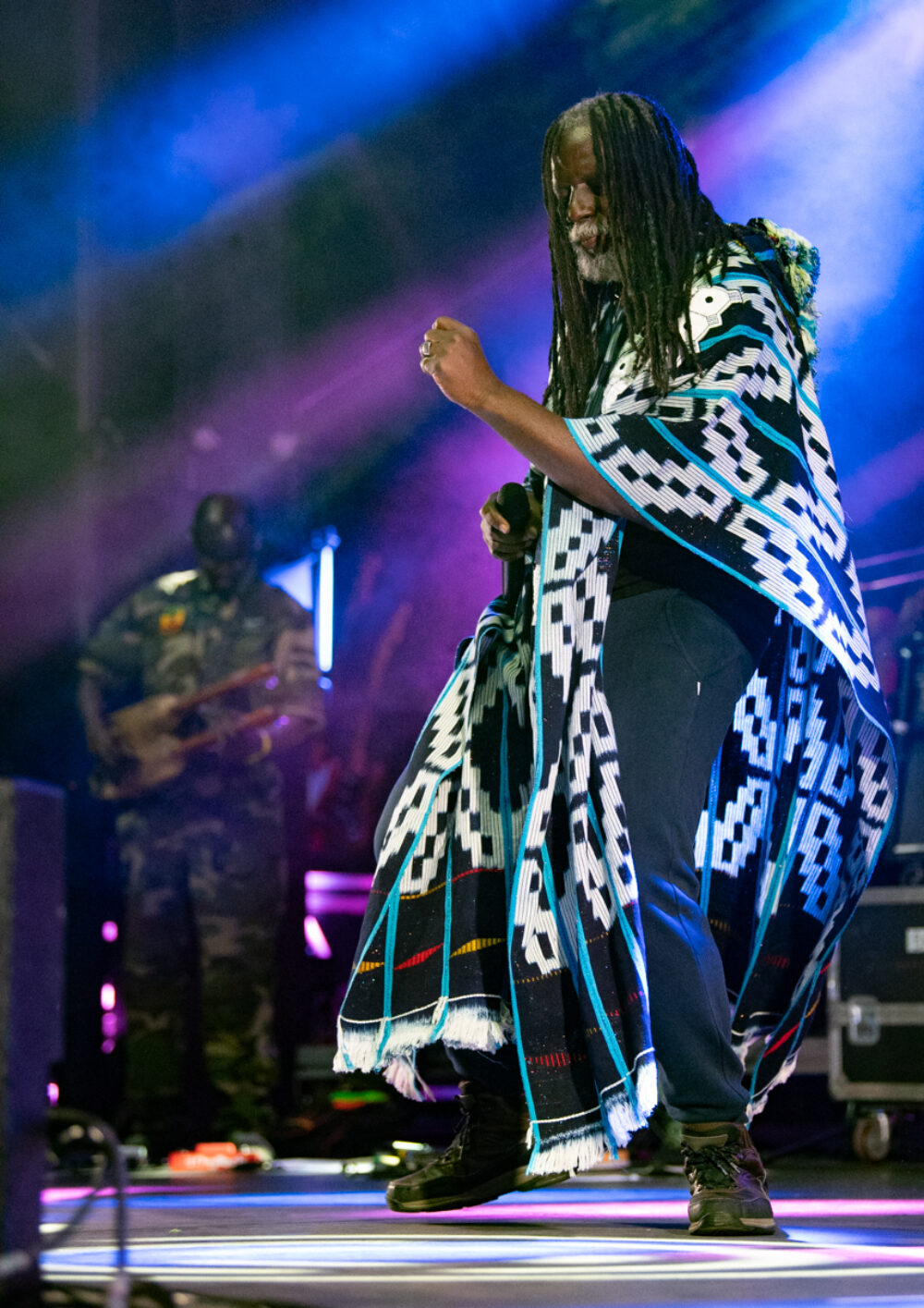
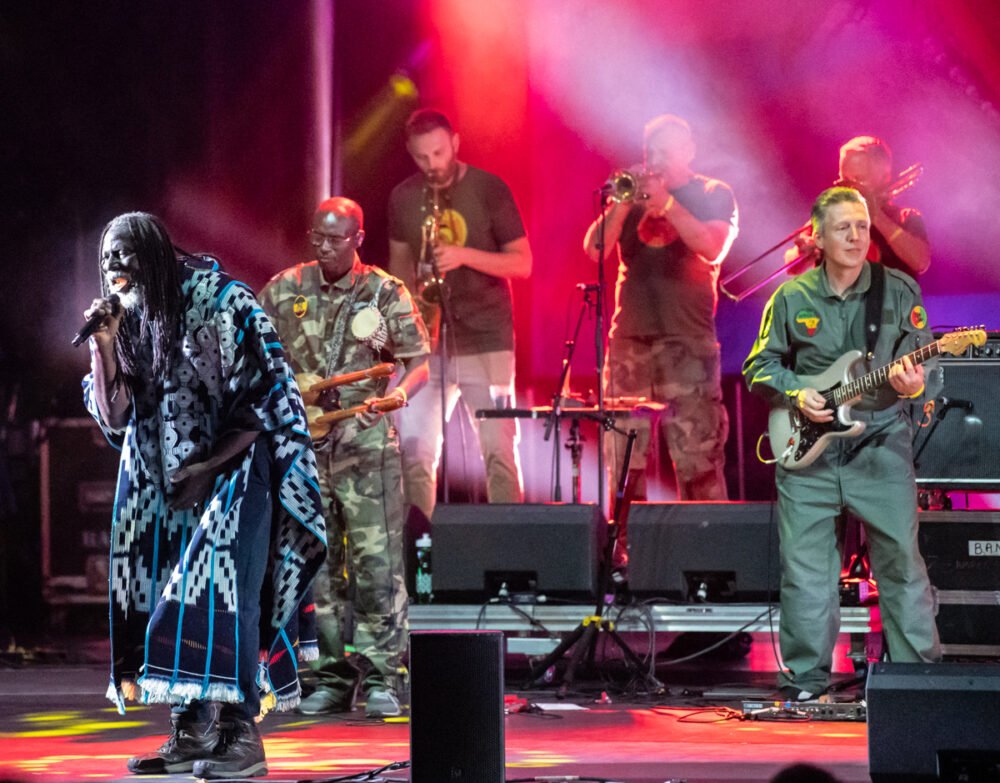
Closing the festival, Tikan Jah Fakoly brought appropriate gravitas to the occasion. Tall, grey bearded and draped in a massive grand boubou, he prowled the stage restlessly and growled out hit after hit to a huge, adoring crowd, who knew the words and sang along to classics like “Africain à Paris.” Fakoly left his home in Ivory Coast more than 20 years ago after receiving death threats due to his lyrics and rising political instability, and has lived in exile in Bamako, Mali since 2003 These days, when all that has turned on its head, and Mali lives under a military junta, Fakoly continues to carry the rebel torch.
His incendiary set seemed the perfect ending for a festival founded four decades ago to create a space for music that was rarely heard before in Montreal. The audiences, artists and the city itself have all changed broadly since 1986. The challenges for bringing these artists across borders have changed as well. But, watching generations of artists perform during these 12 days in Montreal, one must feel that Nuits D’Afrique’s original mission remains very much alive.
Related Audio Programs
Afro-Montreal and The Progress of Love